







MASAKA
Abductions of religious leaders, long associated with Nigeria’s armed groups are gradually being reported in Uganda, raising alarm among clerics and human rights advocates. This time, the perpetrators were not Boko Haram or its affiliate, the Islamic State–West Africa Province, but gunmen alleged to be officers of Uganda’s national army – UPDF.
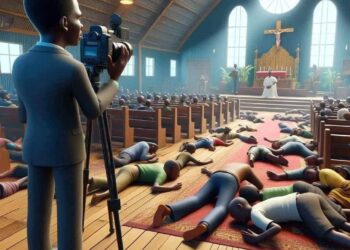
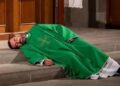
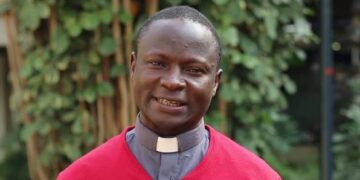
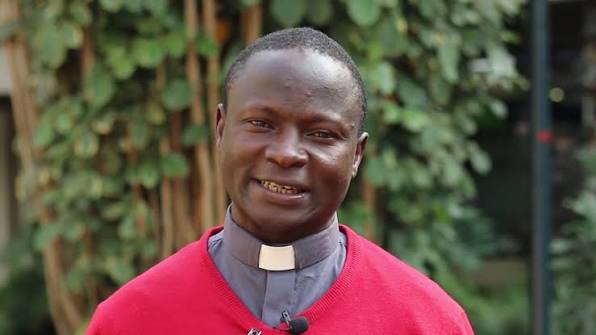
The suspected, stage-managed abduction of a Catholic priest from the Diocese of Masaka has unsettled a country already on edge ahead of the 2026 general elections. Fr. Deusdedit Ssekabira, a priest in Kalangala district, was kidnapped by unidentified armed men, according to church officials and witnesses. His whereabouts remained unknown days later.
Witnesses say the gunmen were clad in uniforms resembling those of the Uganda People’s Defence Force (UPDF). The incident has heightened concerns about the safety of clergy and revived comparisons to Nigeria, where kidnappings of priests have surged over the past decade.
Between 2015 and August 2025, an estimated 160 Catholic priests were abducted in Nigeria, according to figures compiled by the Catholic Secretariat of Nigeria and reports by Agenzia Fides and Aid to the Church in Need. At least 11 were killed; four remain missing. Many others were released after ransom payments.
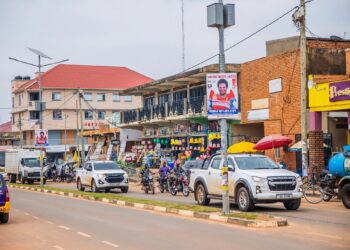
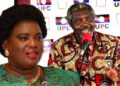
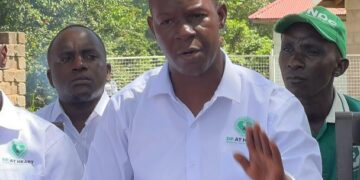
“He was taken from the office in Katwe cell, Masaka City, by armed men suspected to be UPDF officers and forced into a waiting van with concealed number plates,” said Rose Nakachwa, a youth coordinator who witnessed the abduction. “They did not identify themselves. They blindfolded him and drove off toward Katwe. We are worried because we don’t know the conditions he is in.”
Ssekabira is the director of the Universal Chastity Education Organization, which provides counseling and charitable support to children affected by HIV in Masaka. A former diocesan youth chaplain, he currently serves at Bumagi Parish in Kalangala district.
Nakachwa said the priest was abducted together with his secretary, Rosette Nakintu, who was later released and left a short distance from the office where the abduction occurred.
Uganda has experienced clerical abductions before. Since 2015, several kidnappings, particularly targeting Muslim clerics have been reported in Kampala and surrounding areas. Some victims were held in illegal safe houses; others were killed amid allegations of links to the Allied Democratic Forces (ADF), a rebel group.
There are also unresolved questions surrounding the deaths of prominent religious leaders who had publicly criticized the government over human rights and democratic governance. They include Sheikh Nuhu Muzaata (Dec. 4, 2020), Archbishop Cyprian Kizito Lwanga (April 3, 2021), and Bishop Jonah Lwanga of the Orthodox Church (Sept. 5, 2021). All had said they received death threats before they died. No official investigations into those claims, or their deaths were publicly announced.
In recent years, civilians, particularly supporters of the opposition National Unity Platform (NUP) have reported abductions by armed men in security uniforms or plain clothes. Rights groups say victims have been tortured or killed in what they describe as a systematic campaign to silence dissent. The Ugandan government has faced repeated international criticism over alleged abuses.
“We reported the matter to the diocesan authorities,” Nakachwa said.
Ssekabira’s family says it is working with diocesan officials to locate him. The diocese has not publicly commented, while UPDF officials in Masaka said they were still verifying the claims.
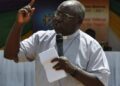
“We are coordinating with the administration of Masaka Diocese to establish his whereabouts,” said Andrew Kabulasoke, a family member.
Fear is spreading among staff at the priest’s organization and among parishioners. “We are afraid for our lives,” said Assumpta Nakaggwa, the organization’s secretary. “We don’t know the state he is in.”
Others question what the incident means for ordinary citizens. “If they can abduct a priest like this, what about the rest of us?” Nakachwa asked.
She says that if authorities suspected wrongdoing, they should have produced a warrant or summoned the priest to court.