











By Leonard Kamugisha Akida,
KAMPALA
The Uganda Land Commission (ULC) has launched a nationwide exercise to update and digitise records of all government-owned land, in a bid to safeguard public property and improve land management.
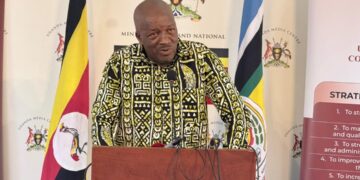
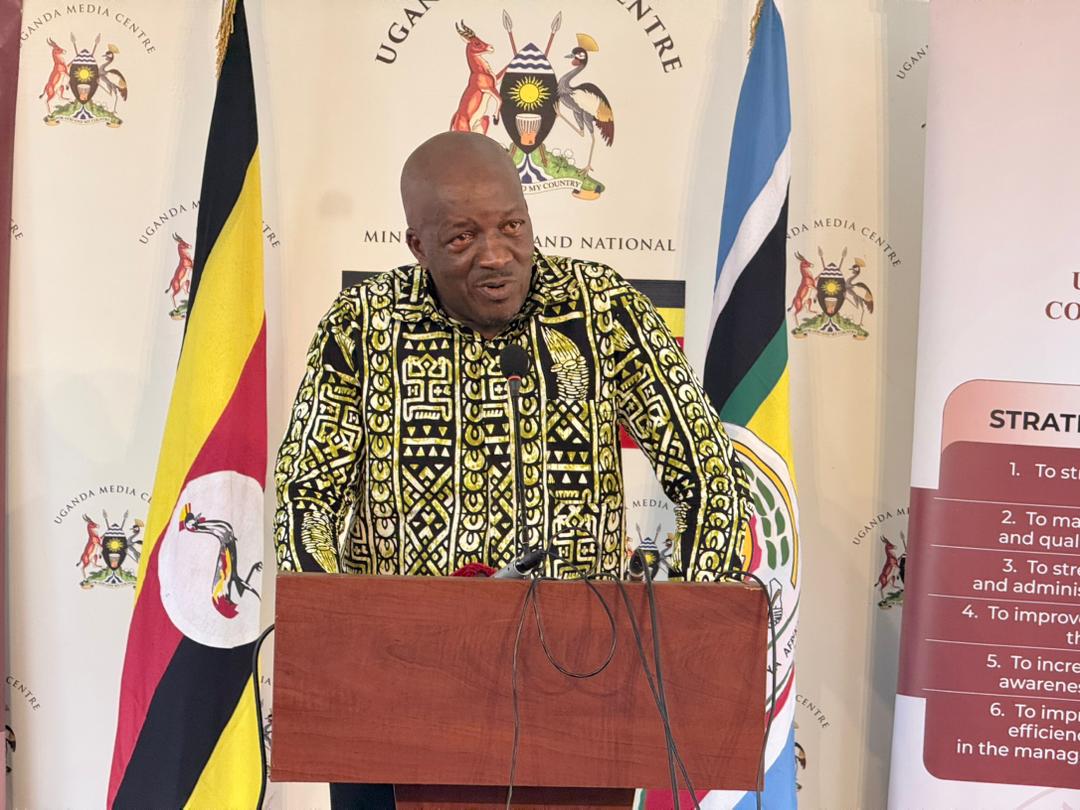
The initiative was revealed by the ULC secretary, Andrew Nyumba, during a press briefing at the Uganda Media Centre on Monday.
Nyumba said the exercise seeks to establish and maintain an accurate, annually updated inventory of government land, noting that records of public property have been inadequate for more than three decades.
“For over 30 years, we have not had a complete record of all government land in this country. We are now working to have it in a digital, GIS-based format so that even from the office one can point at a map and retrieve all the attributes of government property,” Nyumba said.
He explained that the digital register will enable the commission to track land leased out by government, wrong and double titlings, identify occupants of public land and monitor activities carried out on it.
According to the commission, the digitisation will cover land hosting government schools, hospitals and other public institutions. The exercise will begin in 16 cities and municipalities before being rolled out to other districts.
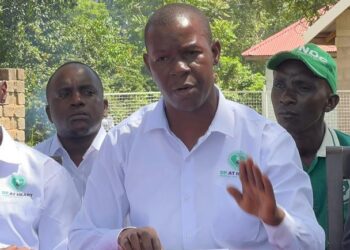
ULC commissioner Johnson Kasenge said the lack of an updated and reliable inventory has hampered efforts to protect government land and resolve long-standing disputes.
“The commission has been grappling with the challenge of not having an accurate and updated inventory of all government land in the country,” Kasenge said. “We often find it difficult to establish where government land is and how it is being utilised.”
Kasenge said the commission intends to develop a comprehensive, digitised inventory using information from local leaders, authorities and government agencies.
Once completed, he said, the inventory will support better planning and utilisation of public land. “Land is our heritage, our wealth and the country’s future. Planning for government land is therefore crucial,” he said.
Kasenge also cited examples from Ghana and South Africa, where governments levy taxes on land, including privately owned property, to generate revenue. He noted that a large portion of land in Uganda is held under freehold titles and suggested the need for a policy framework to ensure legitimate land taxes are collected.
“Every piece of land in Ghana pays some form of tax assessed by government valuers. Where people who should be paying tax are not doing so, we need to make an effort to bring them on board to help government improve service delivery,” he said.
He further disclosed that government is working on land reform proposals aimed at reducing conflicts and improving land administration and management across the country.