










Uganda’s communications regulator has dismissed concerns over the use of a messaging application promoted as a way to bypass possible internet disruptions during elections, saying the government has no plans to shut down internet services on polling day.
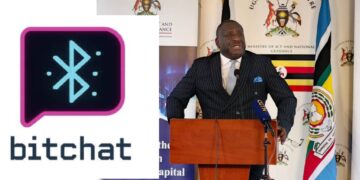
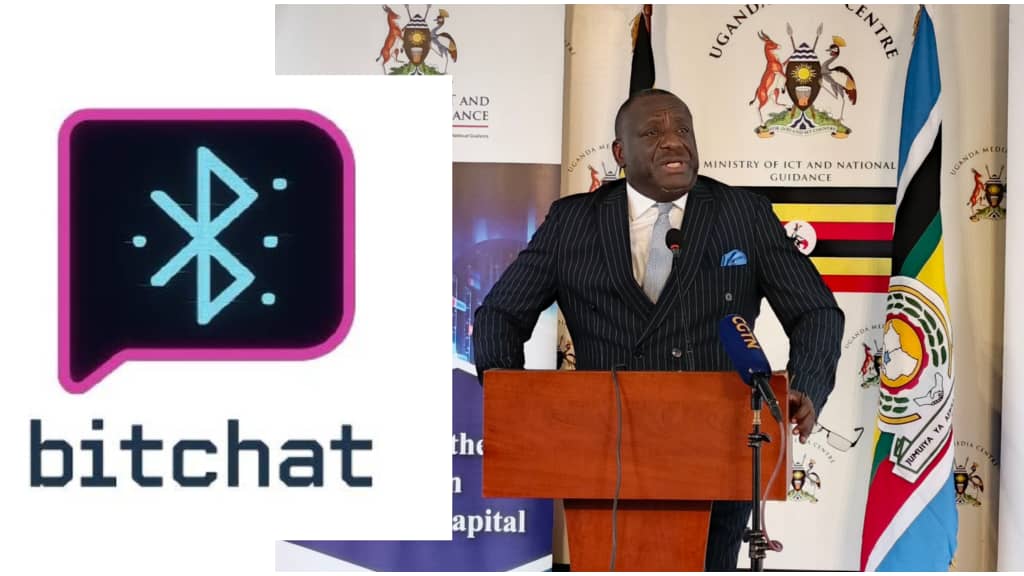
Speaking at the Uganda Media Centre on Monday, the Executive Director of the Uganda Communications Commission (UCC), Nyombi Thembo, told journalists that the Bit Chat application which uses Bluetooth technology should not cause public excitement, arguing that it poses no threat to national stability.
“Don’t be excited by Bit Chat, it’s a small thing. We know it,” Thembo said, adding that the commission has extensive technical capacity to understand and manage such platforms.
Thembo said UCC employs what he described as the highest concentration of software and electrical engineers in the country, enabling it to monitor emerging technologies and prevent their misuse.
“You can’t use Bit Chat to disrupt peace,” he said. “If you are using it for the good, wonderful. But if you want to commit a crime using Bit Chat, my sympathies. We know how it works and how fragile it is.”
He explained that the application operates using Bluetooth under an unlicensed spectrum, rather than the internet, and said the regulator was fully aware of the protocol it uses.
The remarks come after the National Unity Platform (NUP) presidential candidate, Robert Kyagulanyi Ssentamu also known as Bobi Wine, urged Ugandans to install the Bit Chat app as a precaution against a potential internet shutdown on polling day.

Following the appeal, hundreds of Ugandan internet users reportedly downloaded the application onto their smartphones.
However, Thembo sought to reassure the public that there were no plans by the government to disconnect internet services during the election period.
“There are no indicators that the internet will be switched off,” he said.
“I want to assure the country that nobody has directed me to prepare for that (shutdown the Internet). This speculation is unfortunate. If this was to happen, definitely we would come out as the regulator and tell the public why this should happen.”
Uganda has previously imposed internet and social media restrictions during elections and periods of political tension, raising concerns among rights groups, journalists and opposition figures about access to information and freedom of expression. The government has often defended such measures as necessary for maintaining security and public order.