











OPINION
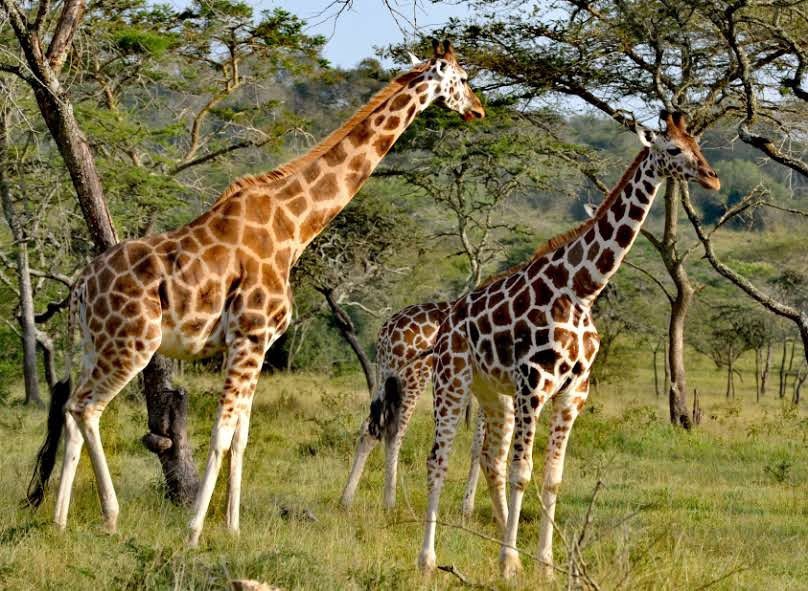
Tourism remains one of Uganda’s most strategic economic sectors, contributing significantly to national development, employment creation, and foreign exchange earnings. With its rich biodiversity, diverse cultures, and globally renowned attractions such as national parks and heritage sites, Uganda has positioned tourism as a key driver of inclusive growth under the National Development Plan (NDP IV).
The Uganda Tourism Satellite Account Report (March 2025) published by Uganda Bureau of Statistics (UBOS), indicated that the tourism sector accounts for 6.6% of Uganda’s Gross Domestic Product (GDP) and provides 7.2% of total employment, underscoring its importance to livelihoods and economic stability.
Information from the FY 2026/2027- FY 2030/2031 National Budget Framework Paper indicates that tourism inflows increased by 13.5%, rising from USD 1,384.99 million in FY 2023/24 to USD 1,571.96 million in FY 2024/25. Additionally, in previous years, tourism has been Uganda’s leading source of foreign exchange earnings, outperforming other traditional sectors.
According to validated research, including World Bank-informed estimates, every USD 1 spent by an international tourist generates approximately USD 2.5 in GDP through direct, indirect, and induced impacts along the value chain, such as on accommodation, transport, food services, handicrafts, and employment. Furthermore, the government policy frameworks, including the NDP 1V, identify tourism as a key sector for economic growth, with a bold target of increasing tourism foreign exchange earnings from USD 1.0 billion in FY2023/24 to USD 10.0 billion by 2029/30.
However, despite the sector’s proven high return on investment, the sector remains underfunded, whereby in the FY 2026/27 proposed budget, the programme is to receive only UGX 403.831 billion, accounting for about 1% of the entire national budget. This allocation remains below the NDP IV benchmark and marks a 5.8 decrease from the FY 2025/26 budget. This is particularly concerning given that development funds are meant to support essential investments such as tourism roads, visitor facilities, trails in national parks, and other infrastructure necessary to enhance tourist experiences and competitiveness.
Moreover, of the Shs. 373.044 billion allocated for recurrent non-wage expenditure, only Shs.76.776 billion, representing 20.6%, had been utilized by the same period. Similarly, only 22% of the planned wage expenditure had been spent by the end of September 2025. It also remains unclear whether the government of Uganda fully disbursed the allocated funds to the relevant Ministries, Departments, and Agencies (MDAs) responsible for implementing tourism related program.
Consequently, failure to absorb and utilize these funds undermines service delivery, delays infrastructure development, weakens destination management, and ultimately puts Uganda at risk of missing its ambitious tourism growth targets under NDP IV. If unaddressed, these inefficiencies could erode investor confidence and compromise the sector’s ability to contribute meaningfully to national development goals.
Therefore, the government should significantly increase funding for the tourism Development Programme to at least UGX 1 trillion per year for the next five years (FY2026/27-2030/31). This will help with infrastructure development, including upgrading tourism access roads, improving trails and facilities within national parks, and enhancing visitor services.
Additionally, the government should also ensure that all funds earmarked for tourism development expenditure are fully and timely utilized by the responsible MDAs. Moreso, stronger coordination between the Ministry of Finance, the Ministry of tourism, Wildlife and Antiquities, and implementing agencies is necessary to improve disbursement efficiency and accountability.
Lastly, strengthening monitoring and evaluation mechanisms would also help identify bottlenecks early and improve overall budget absorption. By addressing these issues, Uganda can better position its tourism sector to achieve its NDP IV targets and unlock its full economic potential.
By Olive Atuhaire, Research associate
atuhaireolivia72.ao@gmail.com