













By Gilbert Akampa Kakurugu
Barasat, West Bengal
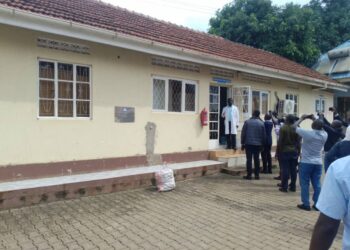
India’s National IHR Focal Point has notified the World Health Organization (WHO) of two laboratory‑confirmed cases of Nipah virus (NiV) infection in West Bengal. Both patients, a male and female nurse aged between 20 and 30, were working at the same private hospital in Barasat, North 24 Parganas district.
The National Institute of Virology in Pune confirmed the infections on January 13 through RT‑PCR and ELISA testing. One of the healthcare workers remains on mechanical ventilation, while the other, who suffered severe neurological illness, has shown signs of recovery.
Authorities have traced and tested over 190 contacts, including hospital staff and community members. All tested negative for NiV, thanks to rapid deployment of a mobile BSL‑3 laboratory. No further cases have been detected to date.
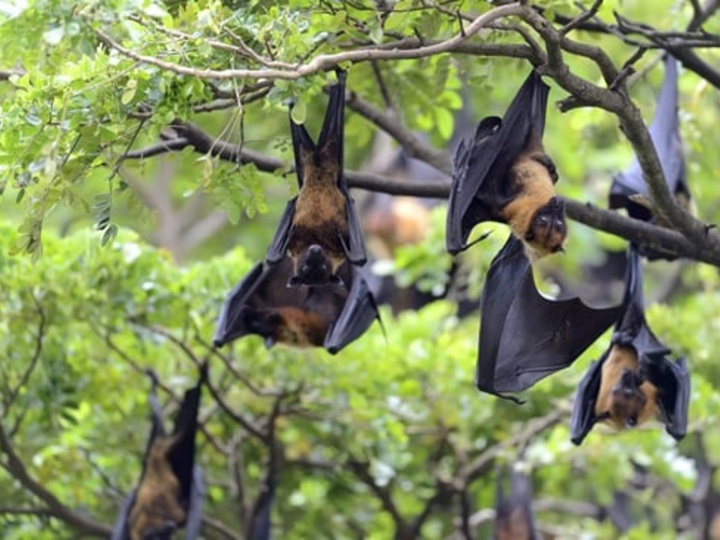
Nipah virus is a zoonotic disease carried by fruit bats (Pteropus species). It can spread to humans through contaminated food or direct contact with infected animals, and human‑to‑human transmission has been documented in healthcare settings. Symptoms range from fever and headaches to severe respiratory distress and fatal encephalitis.
Outbreaks in India have historically been limited but deadly, with case fatality ratios ranging between 40% and 75%. West Bengal has faced two previous outbreaks in Siliguri (2001) and Nadia (2007). Kerala has also reported multiple outbreaks since 2018.
The Government of India and West Bengal authorities have launched a coordinated response, including: Enhanced surveillance and contact tracing, Strengthened infection prevention and control in hospitals, Community awareness campaigns, Rapid laboratory testing and reporting.
WHO is supporting India with event communication, monitoring, and epidemiological assessments.
WHO currently assesses the risk as moderate at the sub‑national level, but low nationally, regionally, and globally. The outbreak remains geographically limited, with no evidence of cross‑border transmission.
With no licensed vaccines or treatments available, prevention relies on public awareness:
Avoid consumption of raw date palm sap and fruits potentially contaminated by bats.
Wash and peel fruits thoroughly; discard those with bite marks, Practice strict hand hygiene and avoid close contact with infected individuals, Healthcare workers should use droplet and contact precautions, and airborne precautions during high‑risk procedures.
WHO does not recommend travel or trade restrictions at this time.
This marks the third Nipah outbreak in West Bengal, underscoring the importance of vigilance during the seasonal period between December and May, when spillover risks from bats are highest.