













OPINION
Uganda’s electricity generation is increasingly renewable, with hydropower, sugarcane bagasse, and solar PV accounting for about 92% of installed capacity. The 600mw Karuma Hydropower Project increased total capacity to over 2,000 MW. Despite this, traditional biomass still provides around 90% of energy consumption, posing health and environmental challenges.
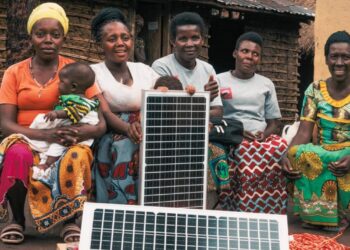
The country has steadily expanded electricity access through grid and off-grid solar solutions. However, as of 2024, Uganda’s clean energy access rate remains low, with approximately 25.3% of the population having access to grid electricity and less than 6% having access to clean cooking fuels. According to the National Population and Housing Census (NPHC) 2024 report, only 3.8% of households use clean fuels and technologies for cooking where urban areas have a slightly higher adoption rate at 6.5%, compared to just 1.9% in rural areas. This places Uganda among the countries with the lowest electrification and clean cooking rates in sub-Saharan Africa.
Indeed, the government has set ambitious targets for expanding electricity access, aiming for universal coverage by 2030 including putting in place policies, interventions and initiatives to ensure increased access to clean energy of the communities. However, achieving this goal requires infrastructure investment, as well as a skilled workforce to drive innovation in the sector.
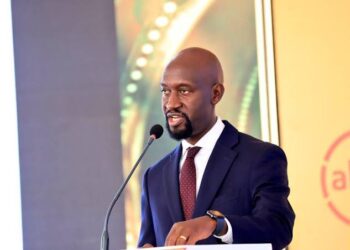
In a recent meeting organized by Community Climate and Energy Shield Initiative (CCESI), under the theme ‘Building resilient communities through equitable energy transition’, it was realized that putting communities especially women and youths at the center of all clean energy transitions not only improve their lives but also key to successfully implementing energy and climate policies. The local energy communities are showing clear benefits across the globe in deploying renewable technologies, improving efficiency, supporting reliable power supply, reducing bills, and generating local jobs. At the same time, these initiatives are garnering increased attention as effective vehicles towards more inclusive, equitable and resilient energy systems.
With ever-growing pressure to accelerate decarbonisation and to mitigate the impacts of the energy crisis on households and businesses, community-based energy communities can help address numerous challenges faced by power systems, including losses, grid congestion and the need to accommodate growing peak demand. Recently, the IEA estimated that one gigatonne of carbon dioxide emissions come from grid losses, equal to almost 3% of current global energy-related CO2 emissions.
Yet, local community-based generating, sharing and consuming of electricity can significantly avoid these losses and enhance energy efficiency. To address the urgency of tackling climate change, as highlighted in the recent COP30 final agreement, installed clean energy must triple to at least 11,000 gigawatts (GW) by 2030 but it will only grow smoothly and with a solid base if we can guarantee strong community support. The energy transition can create millions of new jobs and industrialization.
For those whose territory is now targeted for investment, it must mean a new chance for a brighter future through reskilling and upskilling. It must mean being respected and heard and it must mean that marginalized groups have equitable access to the opportunities and shared benefits of clean energy. This means strong and dedicated engagement and therefore, communities must be empowered to be the driver for transition.
By Patrick Edema,
The author is an Environmental Engineer and Energy specialist