












OPINION
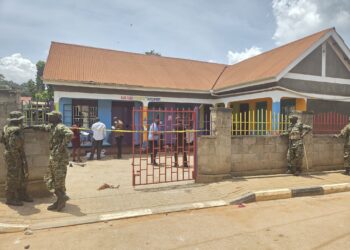
The escalating land conflict in and around Bugoma Central Forest Reserve has reached a critical point, demanding urgent intervention from the government and national institutions. Recent media reports indicate that the residents living near the reserve have appealed to the government to find a lasting solution to escalating land disputes that have resulted in deaths, injuries, and destruction of the forest. What began as a disagreement over boundaries and ownership has now evolved into a serious security, environmental, and humanitarian concern. Without decisive action, the situation risks further loss of life, deepening community tensions, and irreversible environmental degradation.
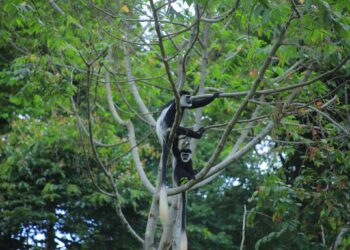
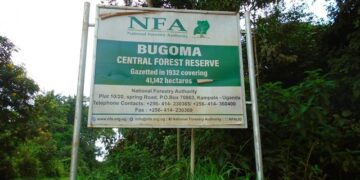
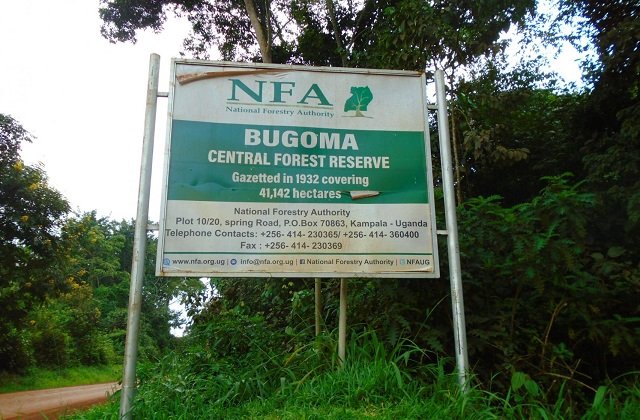
Bugoma Central Forest Reserve, located in western Uganda, is one of the country’s most ecologically significant tropical forests and a lifeline for over 50,000 people. The forest is a home to endangered chimpanzees, diverse wildlife species, and vital water catchment systems that support surrounding communities. The forest also plays a crucial role in carbon sequestration and climate regulation, contributing to Uganda’s environmental sustainability commitments. However, despite its ecological and socio-economic importance, the reserve continues to face severe degradation and persistent land disputes, largely fueled by uncertainty over its boundaries. The LC1 chairperson of Nyairongo village rightly noted that reopening and clearly demarcating the forest boundaries would help end the disputes in the area.
Indeed, transparent boundary clarification is a critical step toward restoring order and protecting the forest. When boundaries are unclear, communities are left uncertain about where they can lawfully cultivate or settle, while conservation authorities struggle to enforce protection measures effectively. This ambiguity often escalates into conflicts, court battles, and, in some cases, illegal land transactions
Notably, in 2019, the cabinet issued a directive to the Ministry of Water and Environment to reopen the boundaries of Bugoma forest as one of the measures to address the land disputes engulfing the reserve. In 2020, tensions intensified after the National Environment Management Authority (NEMA) issued an Environmental and Social Impact Assessment (ESIA) certificate to Hoima Sugar Limited, permitting the conversion of 22 square miles of the forest into sugarcane plantations. This decision sparked public outcry from environmentalists and Civil Society Organizations, who warned of biodiversity loss and possible displacement of local communities. Since then, overlapping claims between private developers, local communities, and government agencies have deepened confusion and mistrust.
Recognizing the growing dispute, in December 2021, the Ministry of Lands commenced the boundary reopening process. By August 2022, the survey exercise had reportedly been completed and in early 2024, the final report was prepared and submitted to the relevant ministry. However, despite its completion, the report has not been made public to the host communities and other relevant stakeholders.
The failure to release the boundary report has become a central driver of the ongoing crisis. Without public access to the official boundary findings, communities remain uncertain about where the forest legally begins and ends. This lack of transparency has undermined trust in government institutions and hindered effective monitoring of forest encroachment and illegal land transactions. Communities have repeatedly engaged the Ministry and other responsible stakeholders, calling for the urgent publication of the report, but their appeals have gone largely unanswered.
Residents noted that the delayed release of the boundary report has contributed to growing confusion over land ownership and boundary demarcation. Allegations of irregular land tittles, inconsistent documentation, and unclear degazettlement processes have left many residents uncertain about their land rights and security of tenure. This uncertainty has created fertile ground for confrontation between communities, private entities and enforcement authorities. At the same time, continued encroachment and forest clearing undermine Uganda’s environmental protection goals, threatening biodiversity, disrupting water systems and weakening the country’s commitment.
Moreover, the growing violence associated with the dispute poses a serious threat to social cohesion and national security. Reports of death, injuries, and forest destruction highlight the human cost of delayed institutional action. If left unresolved, the Bugoma dispute risks setting a dangerous precedent for other protected areas across the country where conservation interests increasingly collide with commercial development.
The government must therefore urgently implement a transparent and decisive resolution process centered on the immediate publication of the Bugoma forest boundary reopening report. Making the report publicly accessible would clarify boundaries, restore confidence and provide a factual basis for varying land titles and addressing irregular allocations. In addition, authorities should strengthen enforcement of environmental protection laws while facilitating structured dialogue and mediation among affected communities, private entities, and relevant institutions. Only through transparency, accountability, and coordinated action can the integrity of Bugoma forest be protected and sustainable, peaceful and coexistence restored.
By Olive Atuhaire, Researcher
E-mail: oliveatuhaire63@gmail.com