














By Leonard Kamugisha Akida,
KAMPALA
The 2025 Auditor General’s report has laid bare deep-rooted challenges in Uganda’s mental health and general healthcare systems, citing severe staffing shortages, chronic underfunding, weak regulation, and strained infrastructure.
The audit indicates that nearly one-third of Uganda’s population suffers from mental health conditions, but only about 10 per cent of those affected receive medical treatment. The findings paint a grim picture of a sector grappling with overwhelming demand and limited capacity.
According to the report, Uganda has only 53 psychiatrists, translating into a ratio of one specialist per approximately one million people, far below the World Health Organization’s recommended standard of one psychiatrist per 10,000 people. Many regional referral hospitals reportedly lack trained mental health personnel and essential medicines.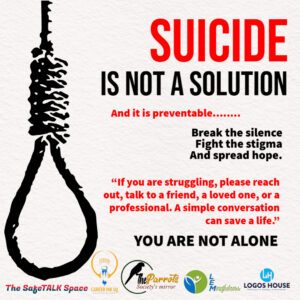 The audit identifies three critical pillars of failure, chief among them financial neglect. Of the Shs58.5 billion allocated to mental health, only Shs1.1 billion, roughly two per cent, was directed to the Mental Health Division for actual implementation of activities.
Auditors argue that the funding does not reflect the estimated 13 per cent disease burden attributed to mental health conditions and have called for increased direct financing and integration of mental health services into primary healthcare.
The report also raises alarm over 116 unaccredited private rehabilitation centres operating without government oversight, warning that they pose serious risks to patients due to lack of regulation and quality assurance.
Further concern was raised about the absence of specialised services for vulnerable groups. Most mental health facilities do not have dedicated clinics for children or pregnant mothers requiring psychiatric care.
The findings come against the backdrop of global concern over mental health. In 2025, the United Nations General Assembly adopted a political declaration at its fourth high-level meeting on global health and foreign policy, underscoring the prevention and control of non-communicable diseases and the promotion of mental health and well-being. The declaration notes that nearly one billion people worldwide are living with mental health disorders, many of them aged between 15 and 29 years.
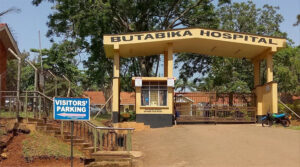
Meanwhile, the Ministry of Health’s Annual Health Sector Performance Review Report for 2024/2025 highlights operational and security challenges at Butabika National Mental Referral Hospital.
The report shows that 59,931 outpatient visits were registered during the year under review, while 8,544 patients were admitted, meaning nearly one in seven outpatients required inpatient care. Total discharges stood at 5,890.
However, the hospital recorded 1,666 patient escapes, equivalent to about 19 per cent of total admissions, raising significant operational and security concerns. The facility also reported 71 deaths during the period.
Bed occupancy at the national referral hospital stood at 220 per cent, pointing to extreme congestion and pressure on infrastructure.
Auditors recommend that government strengthen regulation of private rehabilitation centres, increase mental health staffing levels, expand specialised services for vulnerable populations, and prioritise funding in line with the sector’s disease burden.
The report underscores the urgent need for systemic reforms to prevent further deterioration of mental health services in the country.