









By Leonard Kamugisha Akida,
KAMPALA
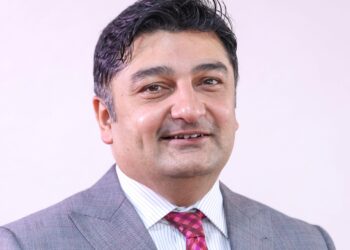
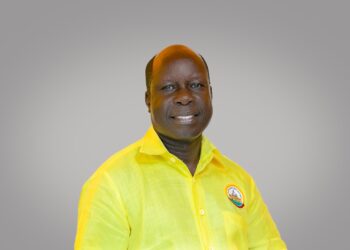
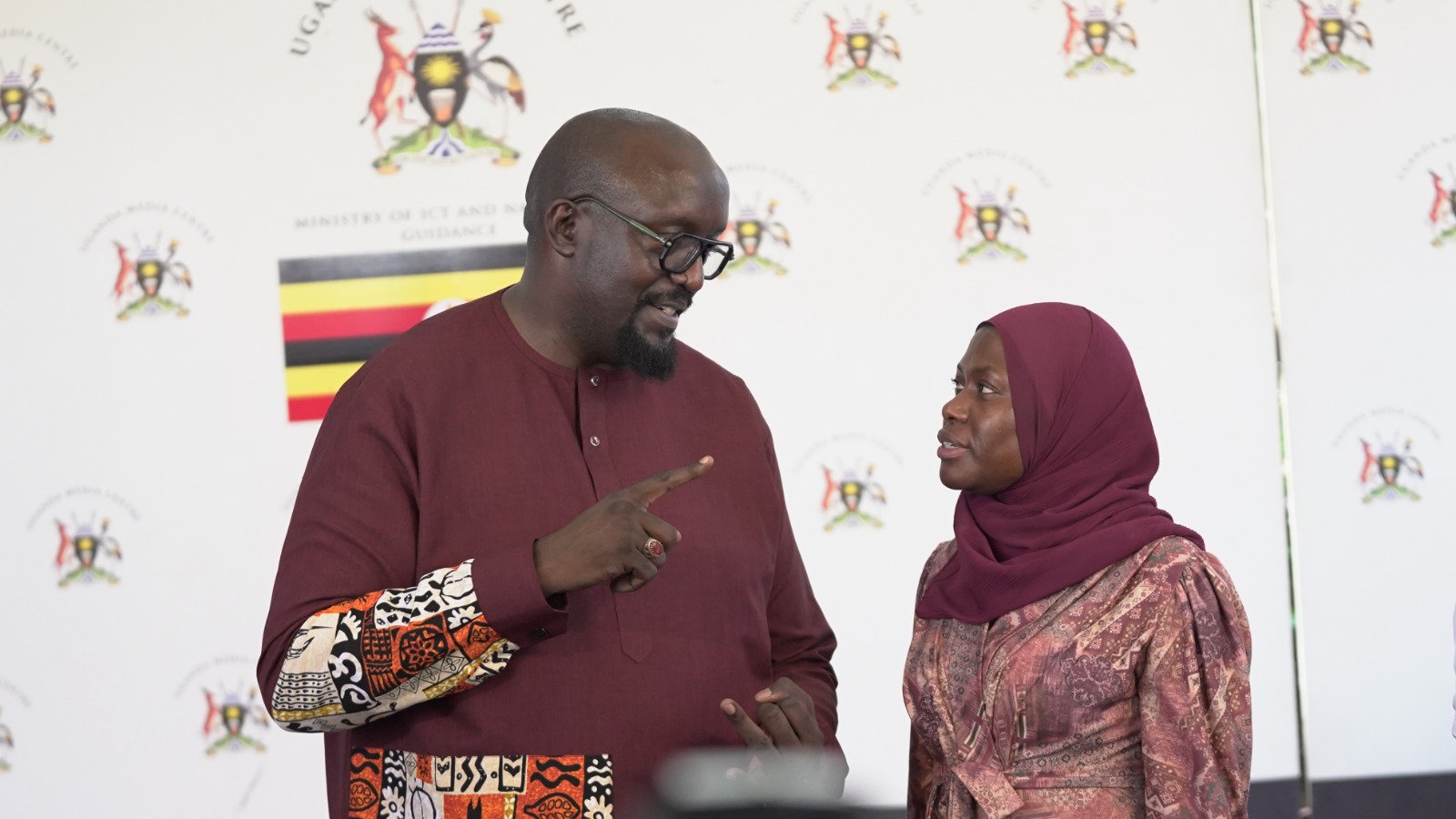
Former BBC World Service journalist Allan Kasujja has officially assumed office as the new Executive Director of the Uganda Media Centre (UMC), pledging sweeping reforms to streamline and strengthen government communication.
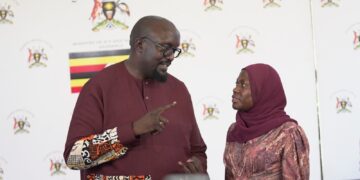
The handover ceremony took place on Tuesday at the UMC offices, Clement Hill in Kampala, marking a leadership transition critical to shaping Uganda’s national narrative in a rapidly evolving digital era.
Kasujja, who previously hosted Newsday and Africa Daily Podcasts on the BBC World Service, replaces former executive director Ofwono Opondo, who exited the role in April 2025 to contest for the Eastern Uganda Older Persons parliamentary seat. Opondo’s deputy, Obeid Kamugisha Katureebe, has been serving in an acting capacity since then.
In his handover remarks, Katureebe expressed confidence in Kasujja’s leadership, citing his international exposure which he said would ensure continuity in the Media Centre’s operations.
“We are receiving one of us who understands the media industry. We expect a seamless transition as we continue executing our mandate,” Katureebe said.
He emphasised the critical role of the Media Centre in coordinating government communication and ensuring that ministries, departments and agencies (MDAs) remain accountable to the public as well as informing citizens about government programmes, policies and national developments.
However, he acknowledged persistent challenges affecting the institution’s effectiveness, including inadequate modern equipment, limited financial resources, and insufficient human capacity.
“We need to grow to be able to match the trends of communication and to be more effective going forward,” Katureebe said.
He attributed some of the constraints to insufficient budget allocations, particularly for transport, infrastructure and equipment.
Despite the challenges, Katureebe highlighted key achievements registered over the last one decade such as strengthening government communication and engagement with the public, training of journalists during the elections, supporting communication and other media engagements.
“Not business as usual”
Speaking to the media shortly after receiving instruments of service, Kasujja describing his appointment as a “fundamental change” rather than a mere change of guards.
“This is not business as usual. Uganda is at an inflection point, and the story we tell about our country will shape the decade ahead,” he said.
He outlined plans to unify government messaging, warning that fragmented communication undermines public trust. Kasujja said his immediate priority would be to harmonise communication across ministries, departments and agencies, and establish “one coherent national voice.”
“We want to see a government that speaks with one voice because fragmented messaging is not just inefficient, it erodes public trust,” he noted.
The new UMC boss also called for increased funding, citing inadequate equipment and limited resources as key constraints to effective communication.
“We need predictable and sufficient funding. We cannot build a modern communication system with one camera and no microphones,” he said.
Looking ahead
Kasujja said the UMC will prioritise professionalising communication officers, engaging the private sector, and leveraging technology to improve outreach.
He also pledged closer collaboration with the media, including training and structured partnerships aimed at aligning reporting with national development priorities.
“Government communication is not doing public relations. It is national building,” he said.
Government backs new leadership
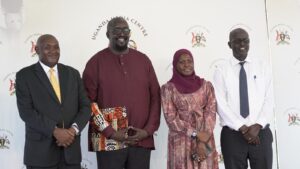
The Permanent Secretary in the Ministry of ICT, Dr Aminah Zawedde, described the handover as more than an administrative exercise, noting that it reflects a shift in how government engages with the public.
“Public communication today is about credibility, speed and digital competence. This appointment brings deep expertise at a time when communication matters more than ever,” she said.
Zawedde also commended former ED, Ofwono Opondo for his 13-year tenure, crediting him for steering the institution through resource constraints, and praised Katureebe for maintaining stability during the transition period.
“Leading an institution through an election period requires firm leadership, and we appreciate the role played by the acting executive director,” she added.
Additionally, ICT and National Guidance Minister Dr Chris Baryomunsi welcomed Kasujja’s appointment, describing him as energetic and well-suited to lead the Media Centre in a changing communication landscape.
“The communication space has evolved with digital platforms and social media. Government must adapt, and the Media Centre remains central to coordinating this effort,” Baryomunsi said.
He revealed that government is working on strengthening coordination of communication across institutions, including linking UMC operations with districts and Uganda’s foreign missions.
Baryomunsi also acknowledged longstanding funding challenges but assured that the matter is being addressed at the highest levels.
“We have engaged the President and Cabinet, and provisions are being made to improve funding in the next financial year,” he said.
Established in 2005 under Article 9 and 171 of the Constitution , the Uganda Media Centre serves as the government’s primary communication arm, tasked with disseminating official information and coordinating engagement between the state and the public. This includes effectively facilitating communication of government policies, programs and projects to the public through the media.