











By Leonard Kamugisha Akida,
KAMPALA
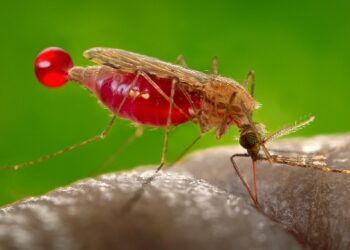
The Ministry of Health has attributed persistent malaria infections in Uganda to laxity among communities in adhering to prevention and treatment guidelines, warning that the trend is undermining efforts to eliminate the disease.
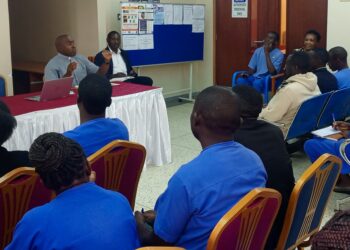
Richard Kabanda, the ministry’s commissioner in charge of health promotion, said non-compliance, coupled with climate variations and emerging biological threats, continues to weaken malaria control interventions.
“Laxity of communities in adherence to malaria prevention and treatment guidelines, climate variation, and biological threats undermine the performance of malaria prevention and control tools,” Kabanda said.
Malaria remains a major public health concern in Uganda. According to the 2024 World Malaria Report, the country contributes 4.7% of global malaria cases, ranking third worldwide, and 2.7% of global deaths, placing it ninth.
In 2025 alone, Uganda registered 11,782,577 malaria cases and 2,342 deaths, with 55% of fatalities recorded among children under five years. Findings from the 2024 Malaria Indicator Survey further indicate that prevalence has risen to 12.5%, up from 9.2% in 2018/2019.
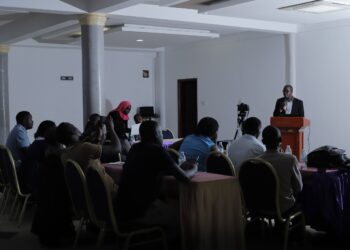
Kabanda said the ministry is stepping up efforts to address gaps in malaria prevention and control, including intensified community sensitisation campaigns.
He noted that through social behaviour change programmes, local governments, civil society organisations and community health workers will conduct household visits, demonstrations and follow-ups to promote proper and consistent use of mosquito nets while dispelling myths and misinformation.
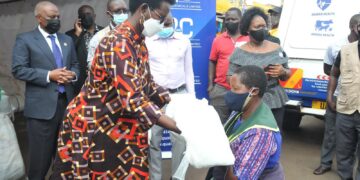
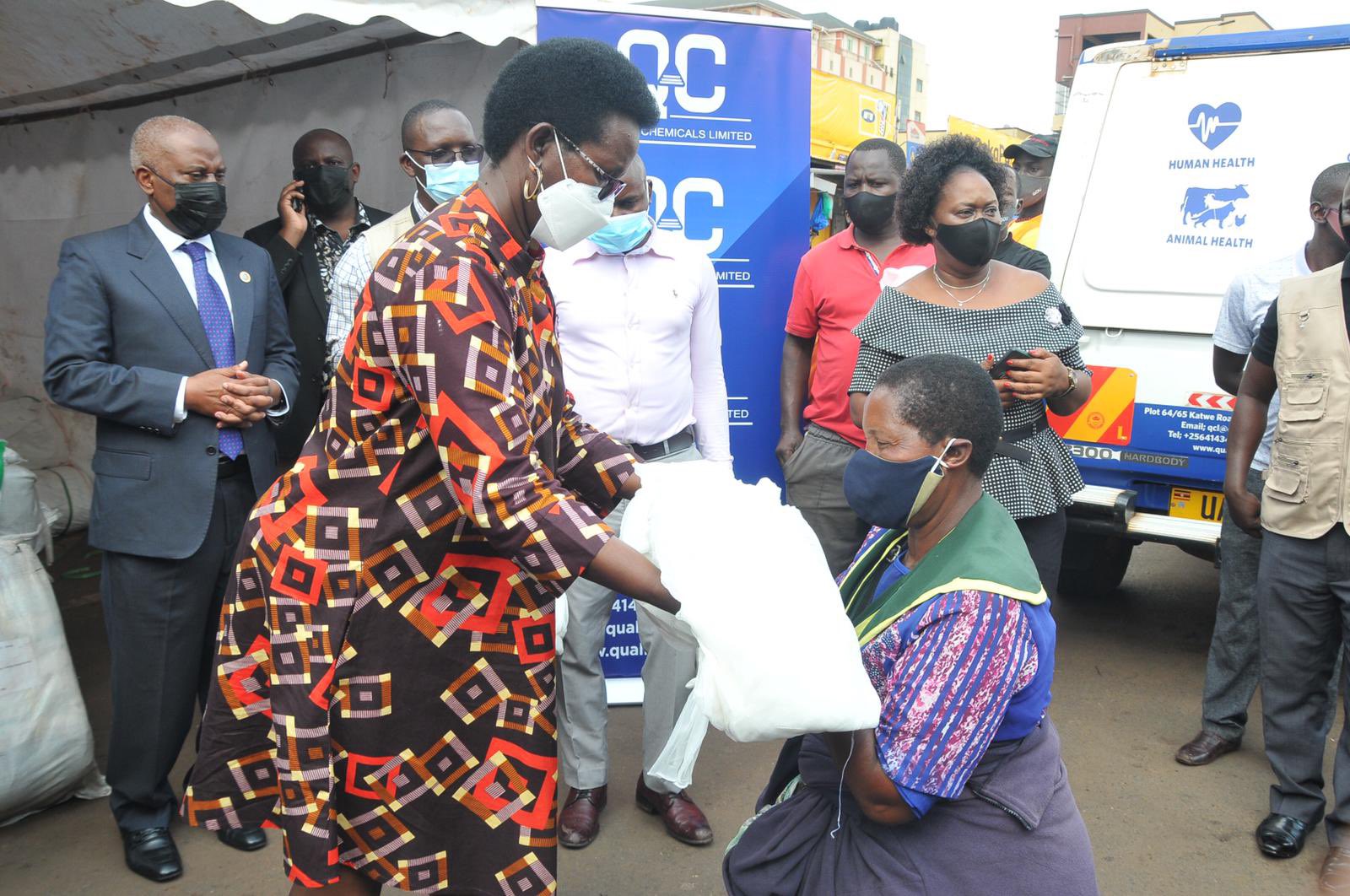
The ministry is also implementing the third phase of the nationwide distribution of 25.8 million mosquito nets under the Under the Net 2026 campaign, targeting 130 districts.
The campaign, valued at about $100 million (approximately sh365b), is funded by the Government of Uganda, the Global Fund and the United States government. Of this, $90 million has been allocated to procurement, shipment, warehousing and transportation, while $10 million will cater for operational costs.
Kabanda said the distribution follows the World Health Organisation (WHO) guideline of one mosquito net for every two people.
Districts already covered by Indoor Residual Spraying will not benefit from the mass distribution but will continue receiving nets through antenatal and immunisation clinics for pregnant women and children under five.
In January 2026, the first phase saw 3.4 million nets distributed across 20 districts, protecting about 6.5 million people. The second phase will see 4.8 million nets distributed in 32 districts, targeting over 8.1 million people.
“The delivery of nets for wave three has commenced and distribution is scheduled to start next month in May,” Kabanda said.
He added that procurement for phase five, set for July, has been completed and will cover districts in Kigezi and Tooro, with Kampala Metropolitan area expected to receive nets last in September due to its relatively low malaria prevalence.
The ministry also plans to extend distribution to vulnerable groups, including street populations in the capital.
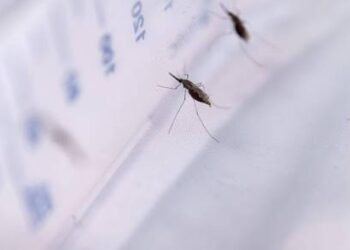
Kabanda urged the public to eliminate mosquito breeding sites such as stagnant water, bushes, empty tyres and broken containers around homes.
“I urge all citizens to take ownership of their health by ensuring that every household member sleeps under a mosquito net every night,” he said.
Health experts note that proper use of mosquito nets can reduce malaria transmission by up to 50%, lower illness and death by 25%, and cut childhood mortality by as much as 25%, especially among high-risk groups such as children under five and pregnant women.