









By Ahirirwe Leticia,
OPINION
Uganda is often described as a country rich in renewable energy potential, and rightly so. With abundant sunshine, powerful rivers, and untapped geothermal resources, the nation appears well-positioned to lead Africa’s clean energy transition. Yet beneath this promise lies a more complex reality: renewable energy in Uganda is not just an opportunity, but also a test of political will, investment, and inclusivity.
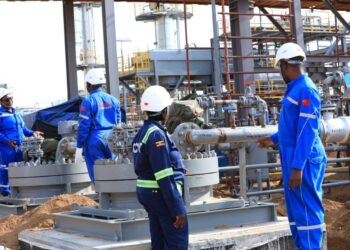
On paper, Uganda is already a renewable energy success story. Over 90% of its electricity generation capacity comes from renewable sources, mainly hydropower. This is a remarkable achievement compared to many countries still dependent on fossil fuels. Large projects like Karuma Dam have significantly boosted national capacity, pushing Uganda closer to energy security.
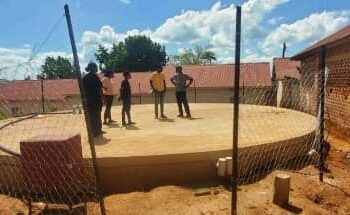
However, this progress masks a deeper challenge, access. Despite the country’s renewable-rich energy mix, only about half of Ugandans have access to electricity. In rural areas, the situation is even more concerning, with many communities relying on solar lanterns, small home systems, or traditional biomass like firewood and charcoal. In fact, biomass still accounts for nearly 90% of Uganda’s total energy consumption, highlighting how far the country must go in transitioning to modern, clean energy.
This contradiction raises an important question: how can a country rich in renewable energy still struggle with energy poverty?
The answer lies in structure and strategy. Uganda’s energy system has historically focused on large-scale hydropower projects. While these are important, they are vulnerable to climate variability, especially droughts, which can disrupt electricity supply. At the same time, centralized power systems do not easily reach remote rural communities, where the majority of the population lives.
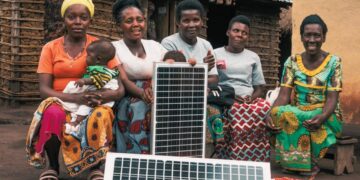
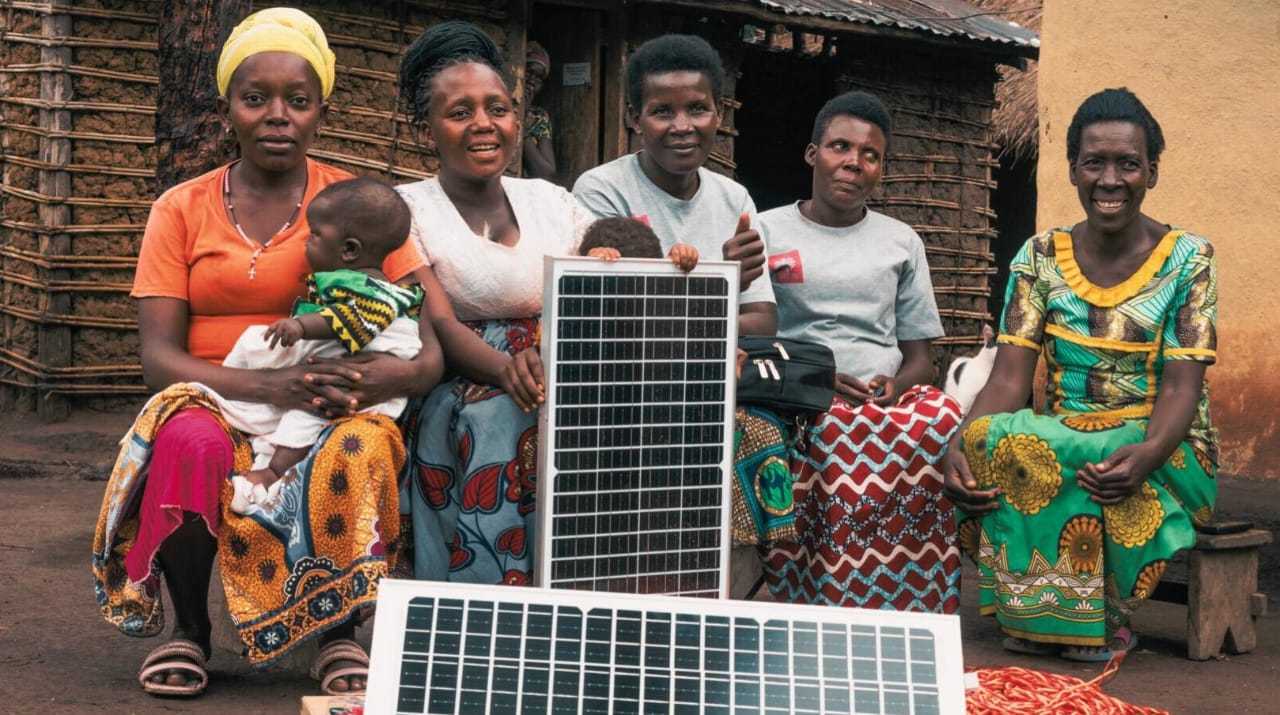
This is where renewable energy, particularly solar offers a transformative opportunity. Uganda receives high levels of solar radiation throughout the year, making solar power one of the most viable and cost-effective solutions for expanding energy access. Indeed, solar systems are already bridging the gap, with many households accessing electricity through off-grid solutions rather than the national grid.
But solar energy is not just about lighting homes, it is about powering livelihoods. Imagine farmers using solar-powered irrigation, small businesses running on mini-grids, and schools operating fully electrified classrooms. Renewable energy can unlock productivity, improve education, and strengthen healthcare systems across Uganda.
Still, several barriers stand in the way. Financing remains the biggest obstacle. Many Ugandans cannot afford the upfront cost of solar systems, even if they are cheaper in the long run. Weak regulation has also allowed substandard products into the market, undermining trust in renewable technologies.
Policy efforts exist, the government aims for universal electricity access by 2030 and has introduced frameworks like the National Energy Policy, but implementation remains uneven. Without stronger coordination, investment, and accountability, these ambitions risk remaining on paper.
There is also a social dimension that cannot be ignored. Women, who are often responsible for household energy use, bear the greatest burden of energy poverty. Transitioning to clean cooking and renewable energy is not just an environmental issue, it is a matter of gender equality, health, and dignity.
Uganda stands at a critical crossroads. The country can either continue with incremental progress or embrace a bold, decentralized renewable energy revolution. The future lies not only in mega dams, but in empowering communities with accessible, affordable, and reliable clean energy solutions.
Renewable energy in Uganda is not a distant dream, it is already here. The real challenge is ensuring that it reaches everyone, not just a privileged few.