













By Olive Atuhaire,
OPINION
Early this month, the media reported that researchers are raising concerns over the continued encroachment on forest land, largely due to demand for charcoal, firewood and construction materials, warning that the trend, coupled with inadequate funding and rising demand for wood products is undermining efforts to restore Uganda’s forest cover.
Notably, for decades, the country has relied on biomass use where according to Ministry of Energy and Mineral Development (MEMD) reports, approximately 10% to 15% of the Ugandan population has access to clean cooking technologies and over 90% of the population still cook with solid biomass such as charcoal, wood and other fuels. This leads to a wide spread deforestation and serious health issues from indoor air pollution.
In response, Uganda has been in several partnerships aimed at promoting forest protection, restoration and sustainable management. The country has received forest carbon funding from several institutions such as the World bank, European Union among others to support efforts to curb deforestation and promote sustainable economic development. Additionally, tree planting has become a common and encouraging practice across the country, with participation from schools, religious institutions, government agencies, companies and community organizations regularly gather to plant tree seedlings.
Despite these efforts including the president’s directives, significant challenges continue to hinder progress in the forestry sector where the Uganda’s forest cover has declined drastically over the years with scientists from the National Forestry Resources Research Institute (NaFORRI), estimating that approximately 200,000 hectares of tree cover are lost annually.
This situation is driven by many factors including, high costs and unreliability of electricity, limited investments in clean energy technologies, and inadequate awareness and trainings especially among vulnerable communities about the importance of forest conservation. As a result, many Ugandans remain dependent on firewood and charcoal, placing immense pressure on the country’s remaining forests.
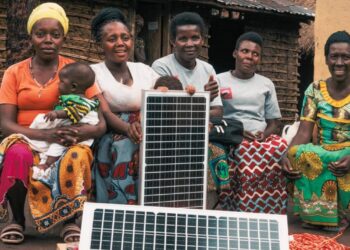
To effectively address pressure on these natural forests, the government must prioritize investment in affordable and reliable energy solutions by reducing electricity tariffs, promoting access to clean energy technologies such as solar panels, energy saving stoves, briquettes among others.
There is also a need to strengthen community empowerment, particularly among vulnerable groups by supporting large scale reforestation, community led forest monitoring and agro-forestry practices. These efforts not only help restore forests but also provides additional benefits such as food security, livestock fodder, climate change mitigation and improve environmental health.
The stakes extend beyond environmental preservation, forests are essential for sustaining agricultural productivity, enhancing climate resilience, safeguarding water resources and strengthening the economic well-being of rural communities whose livelihoods depend on natural resources.
Olive Atuhaire, Africa Institute For Energy Governance
Email: atuhaireolivia72.ao@gmail.com