














By Atuha Clemmy,
OPINION
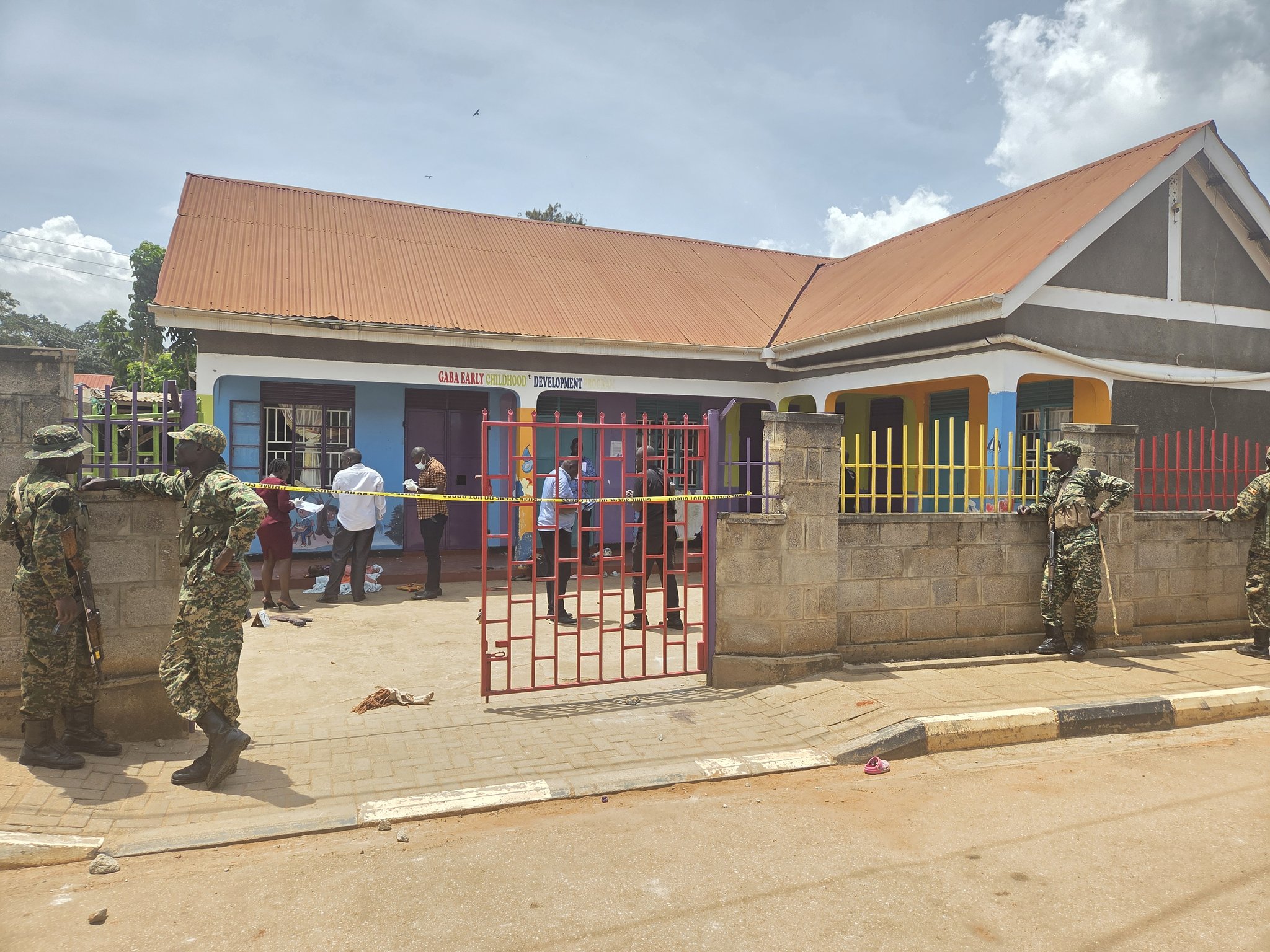
The brutal murder of four toddlers in Ggaba on April 2nd, 2026, is not just heartbreaking, it is profoundly wrong, unacceptable, and unforgivable. No explanation, no circumstance, and no excuse can justify the killing of innocent children aged between two and three years. This was not just a crime; it was a complete failure of humanity.
Yet while the perpetrator bears direct responsibility for this heinous crime, stopping the conversation there would be a disservice to the victims and to the country. This tragedy has exposed deeper systemic weaknesses, failures in security, oversight, and preparedness, that must now be confronted with honesty and urgency.
But beyond condemning the act itself, Ugandans must now ask harder questions: Who is responsible, and what will be done about it?
Questions are now being raised about the management and security protocols of the Daycare center. How was a stranger able to gain access so easily? Were there sufficient safeguards in place to prevent unauthorized entry? Did the facility have trained personnel to handle potential threats? These are not questions of blame alone, they are questions of accountability and prevention.
The owner and administrators of the school may face legal and administrative scrutiny. If investigations reveal negligence, such as inadequate security, lack of proper visitor screening procedures, or failure to follow basic safety guidelines, they could be held liable under Ugandan law. This could result in penalties ranging from closure of the institution to criminal charges, depending on the degree of responsibility established. However, it is important that this process remains fair, evidence based, and not driven solely by public anger.
Accountability must be comprehensive. Anything less would signal that the lives of children can be risked without consequence.
The government’s immediate response, closing the daycare center and initiating investigations is appropriate. Public condemnation by leaders also reflects the gravity of the situation. However, these actions, while important, are only the beginning.
This incident highlights gaps in how early childhood development centers are regulated and monitored. Across Uganda, many such facilities operate with varying levels of compliance, and in some cases, minimal oversight. If meaningful change is to come from this tragedy, the government must act decisively and systematically.
The government has a duty to protect its citizens especially children. When such a horrific incident occurs, it tests not only the justice system but the credibility of leadership.
What happened in Ggaba was wrong. Now the country must prove that it will respond rightly: with justice, accountability, and meaningful reform.
Recommendations:
1. Strengthening Regulation and Licensing
There must be a comprehensive audit of all daycare and early childhood centers in the country.
Licensing should not be a one-time process but a continuous system with periodic renewal based on strict compliance checks.
2. Enforcing Mandatory Security Standards
Every childcare facility should be required to implement basic but effective security measures, including:
• Controlled entry and exit points
• Visitor registration and identification systems
• Perimeter security (fences, locked gates)
• Presence of trained security personnel
3. Training and Capacity Building
Teachers and caregivers are often the first line of defense in such environments. They must be trained not only in child development, but also in:
• Recognizing suspicious behavior
• Emergency response procedures
• Basic crisis management
Regular drills and refresher training should be mandatory
4. Collaboration with Law Enforcement
Local police should maintain active engagement with schools and daycare centers within their jurisdiction. Rapid response systems, including emergency contacts and patrol linkages, should
be strengthened.
5. Addressing Broader Social Factors
If investigations confirm elements such as ritualistic beliefs or untreated mental health issues, then the government must also confront these underlying problems. This includes:
• Regulating harmful practices disguised as traditional healing
• Expanding access to mental health services
• Increasing community awareness about child protection.
Recommendations for a Safer Future
Beyond government action, this tragedy calls for a collective response from all sectors of society.
• For School Owners and Administrators: Safety must be treated as a non-negotiable priority. Investment in security is not an optional expense; it is a moral obligation.
• For Parents: Greater vigilance is needed. Parents should actively inquire about safety measures and demand transparency from childcare providers.
• For Communities: There must be a culture of shared responsibility. Suspicious behavior
should be reported early, and communities should support institutions in maintaining safe environments.
• For Policymakers: Laws must not only exist, they must be enforced consistently and without exception.
In conclusion, protecting children is not a privilege, it is a fundamental duty. And after this tragedy, it must become a national priority that is acted upon, not merely spoken about.