









KAMPALA
A Ugandan media specialist turned policy analyst, Andysen Agaba, has called on African countries to take a more assertive role in global affairs, warning that the continent risks being sidelined if it fails to strategically position itself in a rapidly changing international order.
Speaking at a diplomatic gathering, Agaba said the world is undergoing “profound transformation” marked by shifting power dynamics, rising geopolitical competition and evolving economic alliances, placing Africa at the centre of global decision-making.
“Africa is no longer on the margins of global affairs, it is increasingly central to them,” he said, noting that decisions made on the continent will significantly shape the future of the international system.
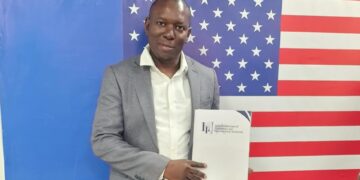
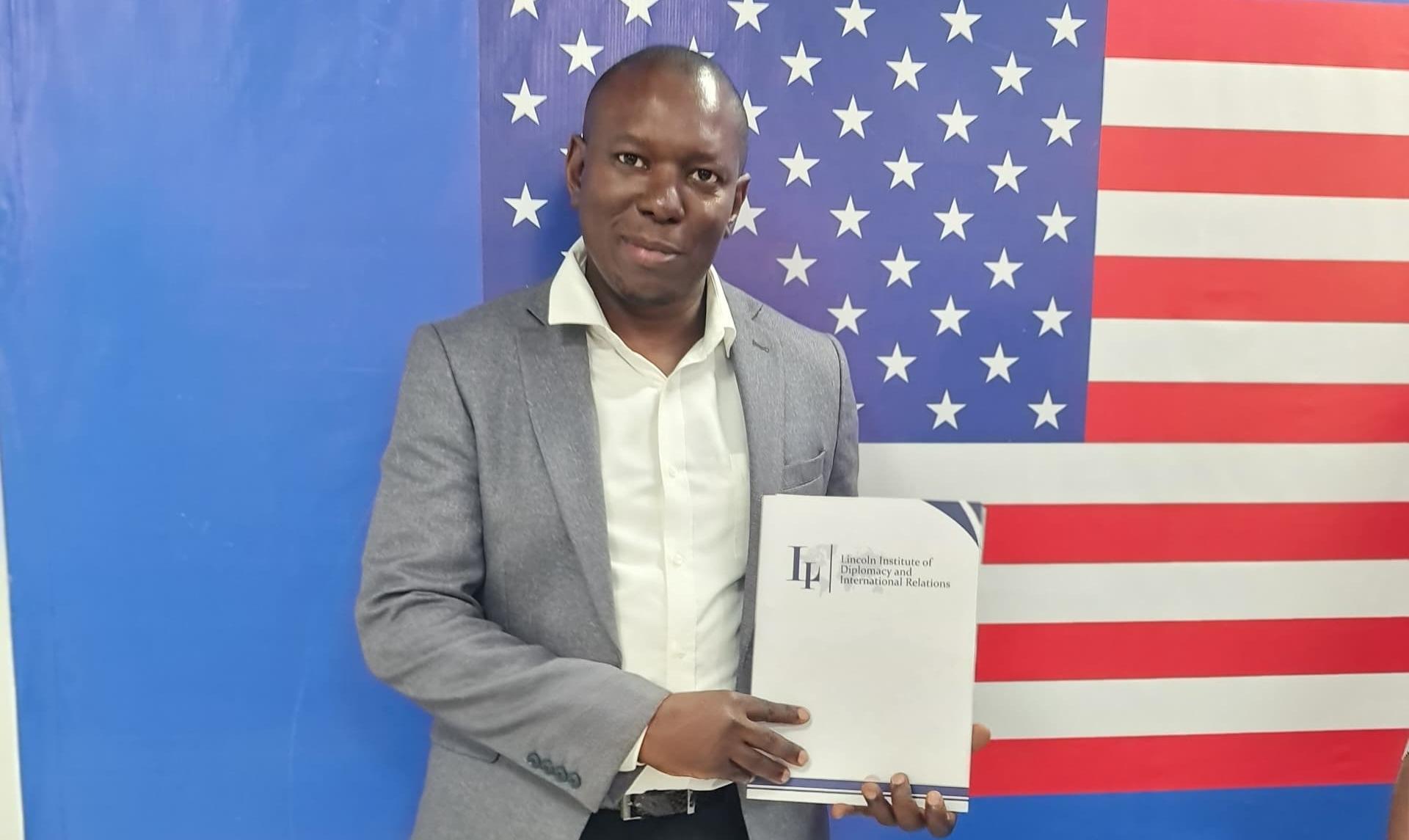
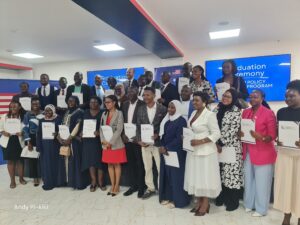
Agaba, who recently completed an Advanced Executive Certificate in Foreign Policy Analysis from the Lincoln Institute of Diplomacy and International Relations in partnership with the Centre for Policy and Strategic Studies (CPSS) Africa, said there is an urgent need for the continent to strengthen its foreign policy direction.
He underscored the need for coherent policy frameworks, strategic engagement with international partners and increased investment in diplomacy, research and policy capacity.
The analyst also called for a unified African voice in regional and multilateral platforms to effectively influence global outcomes.
“With this growing relevance comes responsibility. Africa must not only participate, but actively shape the global agenda,” he said.
Agaba emphasised diplomacy as a critical tool in managing conflict, building partnerships and promoting development and stability.
“The question is no longer whether Africa has a place in global affairs, but how Africa will define that place,” he said.
He challenged African leaders to move from passive participation to strategic action, urging a new generation of policymakers and analysts to take charge of the continent’s global positioning.
Agaba pledged to use his expertise in foreign policy analysis to contribute to this vision through continued policy analysis, dialogue and diplomatic engagement.
“The work ahead is significant, but so is the opportunity,” he said.