









OPINION
There is something deeply unsettling about watching a figure once associated with journalistic independence gradually assume the language and posture of power. It is not always loud. It is not always dramatic. Sometimes, it reveals itself in something as simple, and as symbolic, as a birthday run.
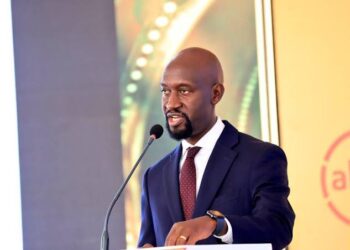
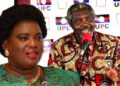
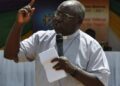
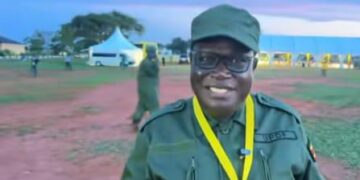
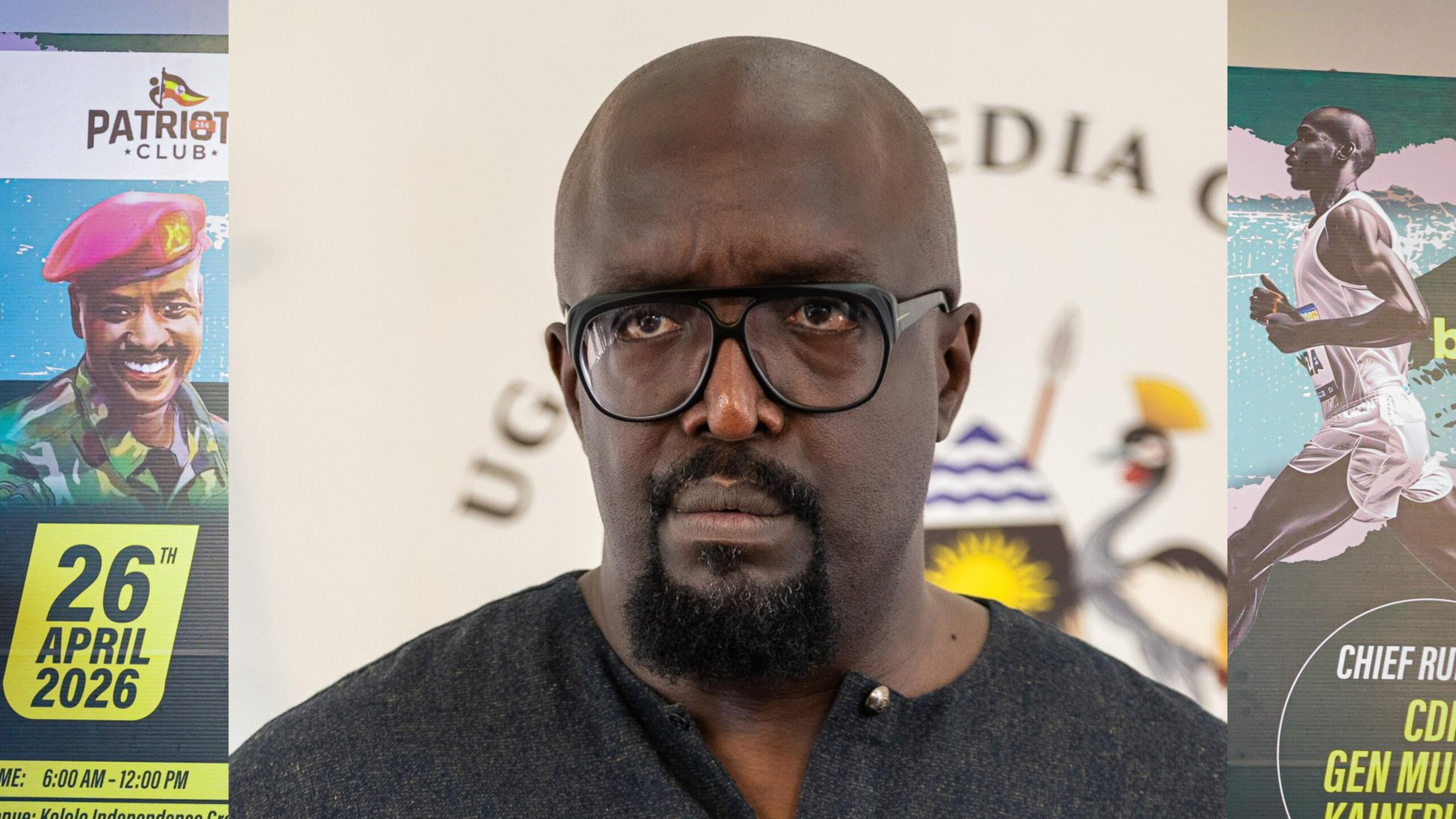
On Tuesday (April 14), a respected former presenter with BBC, and Head of the government’s media centre, Alan Kasujja, found himself at the center of public debate after publicly promoting a birthday run in honour of President Yoweri Kaguta Museveni’s son, also the commander of the national army, Gen Muhoozi Kainerugaba. On the surface, it is a charitable, civic event. Its theme: “Run for Charity, Run for Hope” suggests goodwill, community engagement, and social responsibility. Kudos!
But public reaction tells a different story.
For many Ugandans, especially online, this was not just an event announcement. It was a moment of reckoning. A moment that raised uncomfortable questions about media neutrality, personal choices, and the invisible line between journalism and power.
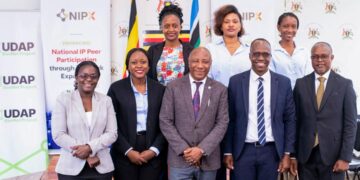
“The government media center organized a press conference, addressed by its Executive Director, flanked by representatives from the UPDF and Police, to announce the birthday run for the Chief of Defence Forces (CDF), a serving military officer” said Wilfred Busingye, a Ugandan internet user on X.
“The next announcement might be declaring the good General’s birthday a national public holiday. What a time to be alive!”
“A guy came from the BBC and took up a job for organizing a birthday celebration @kasujja,” replied policy expert, Bernard Cankara PhD.
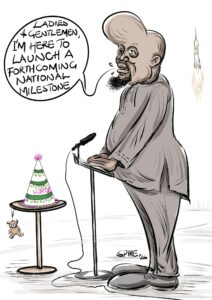
Another internet user, editorial cartoonist, Ugandan academic and columnist, Associate Professor Jim Spire Ssentongo created a cartoon depicting Alan Kasujja during the announcement of the birthday run. The satirical cartoon did more than provoke laughter or criticism. It crystallized a growing unease.
The discomfort is not about running. It is about language and positioning.
“The MK Birthday Run belongs to all of us; from children in Gulu to traders in Owino, students, fishermen, and coffee farmers across the country,” Kasuja said.
When a former journalist describes a powerful military figure as a “servant leader” and frames a birthday celebration as a national civic engagement, the tone shifts from observation to endorsement. That shift, however subtle, is what people are reacting to. Because journalism, at its core, is not meant to praise power, it is meant to question it.
Kasujja’s journey reflects a broader and increasingly common transition: from independent media to institutional communication. It is a legitimate career path. Many journalists around the world eventually move into government, corporate, or advocacy roles. There is nothing inherently wrong with that.
But there is a cost.
The moment a journalist steps into the orbit of power, their public identity changes. They are no longer seen as watchdogs. They become, fairly or unfairly, part of the system they once observed. And with that shift comes a loss of perceived neutrality, of distance, and sometimes, of public trust.
This is not about diminishing Kasujja’s achievements. No, it’s an acknowledgement of the uncomfortable truth that journalists face especially when they enter government communication, align with power/powerful figures, and or use a language that sounds like advocacy. His work at the BBC remains significant. His voice, for years, carried stories across borders and held meaning for many listeners. One event does not erase that legacy.
However, public trust does not operate on history alone. It operates on perception in the present. What people are reacting to is not just what he did, but what he now represents. Perhaps, we need to open up to the public that career transition shifts perceptions. Is it something you would want to hear? So, I have told you. With ears hear that!
In Uganda’s political environment, where the boundaries between state, military, and public life are often blurred, such moments carry even greater weight. A simple act can quickly become political. A charitable run can be interpreted as a show of loyalty. And a respected journalist can suddenly be seen as aligned.
Social media, of course, intensifies this. It thrives on sharp judgments, often reducing complex personal and professional transitions into blunt narratives of “rise” or “fall.” But beneath the noise lies a genuine concern: Who speaks for the public, and who speaks for power?
That question matters.
Because when the lines blur too much, society risks losing something essential, a class of voices that stand apart, that question without fear, and that maintain credibility across divides.
Kasujja is not the first to face this dilemma, and he will not be the last. But his case is a reminder of a larger truth: Proximity to power is never neutral.
It reshapes how one is seen. It redefines credibility. And in the court of public opinion, it often speaks louder than intention.
In the end, this is not just about a run, a birthday, or a single individual. It is about the fragile boundary between journalism and influence, and how easily it can be crossed. Welcome elder brother, Kasujja, to the court of public opinions🤝.
By Leonard Kamugisha Akida, The author is a Ugandan Journalist, Media trainer, founder Parrots Media, columnist and advocate for public health issues. Email: info@parrotsug.com