














OPINION
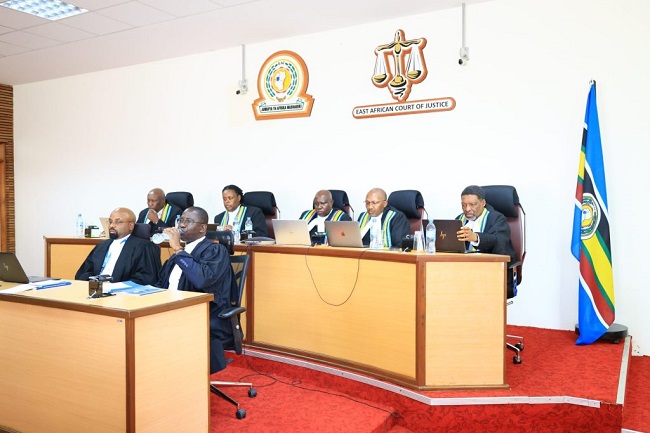
The Appellate Division of the East African Court of Justice (EACJ), in a ruling on November 26, 2025 in Arusha Tanzania, has significant blow to the pursuit of human rights and environmental justice and effectively closed the door on a critical legal challenge to the East African Crude Oil Pipeline (EACOP) project.
By upholding the lower court’s decision that the case was filed out of time, the EACJ missed a vital opportunity to provide substantive judicial scrutiny on the project’s significant human rights, environmental, and climate impacts. This procedural dismissal leaves project-affected persons (PAPs) in a precarious position, with limited judicial recourse within the region.
Now here is the fate of legal scrutiny, the East Africa Court of Justice appellate Division’s decision to dismiss the appeal on a time-barred technicality, as stipulated under Article 30(2) of the EAC Treaty, means the substantive issues raised by the civil society organizations (CSOs) will not be heard on their merits.
The CSOs had argued the case, filed in November 2020, was within time and that the lower court erred in its interpretation of the law, suggesting the timeline should have been calculated from key agreements signed later than 2017. And by siding with the objections from the Ugandan and Tanzanian governments, the court has prioritized procedural deadlines over a comprehensive examination of the project’s compliance with EAC laws and international obligations.
This ruling effectively gives the multi-billion-dollar project, led by TotalEnergies and CNOOC, a legal all-clear from the regional court, potentially influencing how future large-scale infrastructure projects are evaluated for compliance.
At a time when climate risks are escalating across East Africa, the EACJ’s decision is seen as a failure to test whether the regional legal architecture can uphold the obligations states have assumed under the EAC Treaty and international climate instruments.
Concerning the impact on EACOP affected persons, across Uganda and Tanzania, the ruling is a significant blow. Many had hoped the EACJ would be a fairer avenue for justice after facing challenges in national courts, including issues with fair compensation and due process.
The dismissal means loss of a key judicial platform. The project Affected Persons and CSOs lose the chance for the regional court to intervene on critical issues like inadequate compensation, forced evictions, and loss of livelihoods.
The serious allegations of human rights violations, biodiversity loss (as the pipeline traverses protected areas), and climate change risks will remain without a regional judicial determination on their legality under the EAC Treaty.
Furthermore, the affected communities are left to navigate compensation and resettlement processes primarily through national frameworks, which some have found disappointing and not always protective of their rights
The EACJ’s Arusha ruling is more than just a legal setback, it is a moral failure that underscores the urgent need for a more strong and accessible justice system capable of holding governments and multinational corporations accountable for the social and environmental costs of their development projects.
The pursuit of economic benefits, while important, cannot come at the expense of fundamental human rights and environmental stewardship. The communities affected by EACOP deserve to have their day in court, and the EACJ has missed a critical opportunity to ensure that justice prevails in the shadow of the pipeline.
By Doreen Asasira, an Environmentalist and Climate advocate