










By Doreen Asasira,
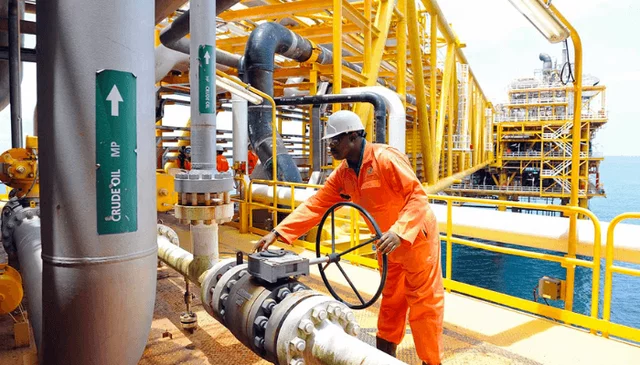
Uganda stands at a defining crossroads. On one path lies the promise of oil-fueled transformation under the National Development Plan IV higher household incomes, employment, and inclusive growth. On the other lies the lived reality of thousands of families who surrendered land, crops, homes, and livelihoods to make way for the East African Crude Oil Pipeline (EACOP), yet remain uncertain whether the promised restoration of their lives will.
A recent assessment by the Africa Institute for Energy Governance (AFIEGO) compels us to confront an uncomfortable question: Is Uganda building prosperity on a foundation of broken commitments?
The EACOP project acquired 2,740 acres of land from 3,648 households affecting an estimated 24,744 individuals across ten districts. The majority of these PAPs were small holder farmers whose livelihoods depended directly on land. Eighty-six percent of the affected households were engaged in agriculture before displacement. When land is taken from farmers, restoration is not optional, it is a moral, legal, and developmental imperative.
To their credit, the project developers committed under the Resettlement Action Plan (RAP) and in alignment with IFC Performance Standard 5 to restore or even improve livelihoods. They promised agricultural inputs, food security programs, financial literacy training, enterprise development, vocational skills training, and transitional food assistance. On paper, the framework appears comprehensive. But policy commitments mean little if implementation falters.
The AFIEGO study, conducted between June 2025 and February 2026 and based on responses from 246 affected persons across seven districts, reveals troubling gaps. While many PAPs reported receiving some form of support, 55 respondents said they did not benefit from any livelihood restoration program at all. Others described receiving poor-quality seeds, delayed inputs, or quantities far below what had been promised. In some districts, livestock that had been pledged was never delivered.
Financial literacy trainings were reportedly compressed into single day sessions and delivered by a commercial bank that appeared more focused on recruiting account holders than equipping families with sustainable money management skills. Vocational training programs, lasting only three to four months, were described as too short and overly theoretical, with reports of absentee trainers and limited practical exposure. Such shortcomings risk turning “restoration” into a box-ticking exercise rather than a genuine pathway to economic resilience.
Even more concerning is the issue of transitional support. The RAP provided for food baskets beans, rice, cooking oil, salt, sugar, and posho to sustain households for six to twelve months post-displacement. Yet affected persons reported inconsistencies in duration, adequacy, and delivery. For families that had lost productive land, these food packages were not charity; they were a lifeline during transition.
When livelihoods are not fully restored, Uganda risks undermining not only individual households but national goals. The NDP IV promises to leave no one behind. Uganda has also committed to the Sustainable Development Goals zero poverty, zero hunger, gender equality. Yet displacement without effective restoration pushes vulnerable communities closer to poverty rather than lifting them out of it.
The study also examined attitudes toward the pipeline itself. Contrary to official narratives suggesting widespread local support, the findings reveal a more nuanced picture. While 63% of respondents expressed satisfaction with the estimated distance between their homes and the pipeline, a significant 37% were dissatisfied.
These households fear accidents, soil degradation, oil spills, and climate-related disruptions. For them, the pipeline is not merely infrastructure, it is a source of anxiety. Development that silences or dismisses 37% of directly affected households cannot claim to rest on a true social license.
The International Finance Corporation emphasizes that livelihood restoration must go beyond restoring pre-project income levels especially where communities were already living in poverty. Restoration should improve income, strengthen food security, enhance resilience to shocks, and promote gender equity. The assessment finds that the EACOP livelihood restoration program narrowed its focus primarily to income and food security, without fully embracing the broader IFC criteria. Even within those limited parameters, many PAPs report that restoration has not been achieved. This is not an argument against development. Uganda deserves industrialization, infrastructure, and economic growth. But development that impoverishes those who sacrifice the most is not progress, it is injustice.
If EACOP is to stand as a symbol of national advancement rather than social fracture, urgent corrective action is needed. The Government of Uganda must exercise vigorous oversight. Independent civil society and local governments should be empowered to monitor compliance transparently. Gaps in agricultural inputs, vocational training, and transitional food assistance must be closed immediately. PAPs who have not yet received compensation or restoration support must not be forgotten.
Uganda has a choice. It can treat livelihood restoration as a procedural requirement to unlock oil exports. Or it can honor it as a covenant with citizens whose land fuels the nation’s ambitions. True development demands the latter.
Failure to restore the lives disrupted by the pipeline, Uganda risks building our future on buried hopes rather than shared prosperity. Oil revenues may flow for decades. But the scars of displacement if left unaddressed can endure far longer.