









By Annita Matsika
HEALTH
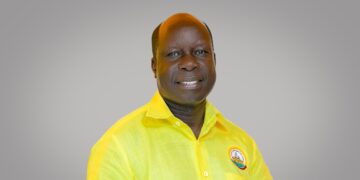
Climate and health advocate Harry Simuntala says communities across the Global South are bearing the brunt of climate change.
Speaking at a Cross-Border Café discussion on Tuesday 2nd December,2025, he noted that people with limited access to healthcare, clean water, and resilient infrastructure are facing the most severe impacts of climate-driven disasters.
Simuntala said new evidence points to a worrying trend: rising temperatures and increasingly extreme weather are driving spikes in malaria, cholera, and heat-related illnesses.
Maternal and child health services are being disrupted, and many communities are unable to access emergency care during floods, droughts, and storms. He added that food insecurity is worsening as weather patterns grow more unpredictable.
He warned that without turning global climate pledges into meaningful action, the crisis will continue to widen existing inequalities.
At the same event, Mudenda Mweeta of Zambia Apex University highlighted key commitments made at COP30 in Belém, where world leaders and scientists agreed that climate change now poses an urgent threat requiring coordinated action.
Among the commitments was a pledge to deliver clean cooking solutions to 140 million people each year, an effort expected to reduce deaths linked to household air pollution. Mweeta also noted that urban transport is increasingly being treated as a public-health intervention, with initiatives aimed at cutting cardiovascular disease by reducing traffic-related emissions.
He said adaptation efforts will focus on strengthening health protection through wildlife management, freshwater restoration, and the reinforcement of coastal ecosystems to safeguard vulnerable communities.