














By Olive Atuhaire,
Every year on March 3, the world commemorates Wildlife Day to raise awareness about the importance of protecting wild fauna and Flora and to strengthen global efforts to combat biodiversity loss. As Uganda joins the international community next week to celebrate Wildlife Day 2026 under the theme “Medicinal and Aromatic Plants: Conserving Health, Heritage and Livelihoods,” the country must confront one of its most pressing environmental challenges: forest encroachment, among others, which continues to erode ecosystems and threaten biodiversity.
Uganda is blessed with a diverse ecosystem that includes tropical forests, wetlands, savannahs, and freshwater bodies. The country stands at a critical juncture in the global fight to safeguard biodiversity. This year’s theme highlights the indispensable role that wild medicinal and aromatic plants play in promoting human health, sustainable traditional medicine, preserving cultural heritage, and supporting local livelihoods. However, these vital natural resources are increasingly threatened by habitat destruction, overharvesting, and most significantly, forest encroachments.
Health ecosystems, particularly forests and wetlands, form the backbone of Uganda’s wildlife heritage. Forests provide food, shelter, and breeding grounds for countless animal species while maintaining ecological balance. They are also reservoirs of medicinal and aromatic plants that communities rely on for healthcare and income generation. When forests are degraded or cleared, the consequences extend far beyond the loss of trees; entire ecosystems are destabilized, and the social and economic well-being of surrounding communities is put at risk.
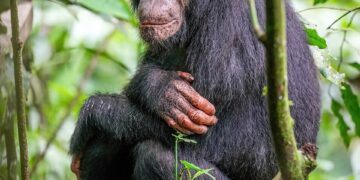
A notable example is the Bugoma forest reserve, which is located about 250 kilometers northwest of Kampala, covering more than 40,000 hectares. This reserve is the largest remaining block of natural tropical forest along the Albertine rift valley. It is a biodiversity hotspot, home to 23 species of mammals, over 225 bird species, numerous butterflies and amphibians, and more than 260 plant species. The forest supports a significant population of chimpanzees as well as rare primates such as the Uganda Mangabey, the Black and white Colobus monkeys, Red tailed monkeys, the Velvet monkeys, in addition to bush elephants and other wildlife.
Despite its ecological significance, Bugoma continues to face severe encroachments where sections of the forest have been cleared for the cultivation of crops such as maize, sorghum, beans, and marijuana, as well as for timber harvesting and charcoal production. According to statistics from the National Forest Authority, deforestation in Bugoma had reached 7,808 hectares by 2025, with an additional 4,084 hectares affected in 2026. As deforestation intensifies, wildlife habitats shrink, human-wildlife conflicts increase, and several species are pushed closer to extinction.
The situation in Bugoma reflects a broader national trend. Uganda’s forest cover has declined drastically over the past three decades, falling from approximately 24 percent of the country’s land area in 1990 to about 12 percent today. Such a rapid loss of forest cover threatens not only wildlife but also the medicinal and aromatic plants central to this year’s Wildlife Day theme. Many of these species depend on intact forest ecosystems for survival. Once forests are encroached upon, these plants are destroyed or exposed to unsustainable exploitation.
Additionally, forest encroachment undermines Uganda’s Sustainable Development Goals (SDGs), which call for climate action, clean water and sanitation, life on land, among others. Forests regulate climate, protect water catchment areas, prevent soil erosion, and contribute to carbon sequestration. Their destruction exacerbates climate change impacts, reduces agricultural productivity, and heightens food insecurity. Communities that depend on forests for medicine and income become increasingly vulnerable.
As Uganda celebrates World Wildlife Day 2026, the call to action is clear. The Ministry of Water and Environment and the National Forestry Authority must halt any further forest destruction, restore degraded areas, and prioritize conservation, recognizing that protecting forests preserves wildlife, sustains tourism, and secures livelihoods.
The government should also strengthen enforcement against illegal encroachment, improve monitoring of forest reserves, and hold offenders accountable. Simultaneously, communities living near forested areas should be supported with sustainable livelihood alternatives, conservation education and incentives that promote responsible environmental stewardship.
By safeguarding forests such as Bugoma, Uganda will not only protect its wildlife but also preserve its medicinal and aromatic plants, cultural heritage, and community livelihoods. In doing so, the country will truly honour the spirit of World Wildlife Day and safeguard its natural heritage for future generations.
Olive Atuhaire is a Ugandan social worker, environmentalist and research associate at AFIEGO.