











Op-Ed
A landmark court case in France against TotalEnergies one of the world’s largest oil companies and a major financier of global oil expansion is sending ripples across communities far from Europe. The case asks whether the oil companies should be held accountable for the environmental and human rights impacts of its operations. For women living along the East African Crude Oil Pipeline (EACOP) route in Uganda’s Albertine region this case represents a beacon of hope.
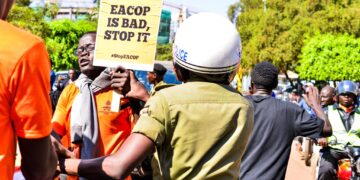
EACOP a 1,443-kilometre heated pipeline running from western Uganda to Tanzania’s coast, promises economic growth and jobs. But for communities along its path, the reality is often harsher than the promises. In Uganda’s Albertine region, women are the backbone of households they farm small plots to feed families, fetch water from rivers and wetlands, and care for children, when their land was acquired for the pipeline, compensation only went to male landowners, leaving them without resources and control over livelihoods they have depended on for decades. Some women were even told not to plant long-term crops while waiting for payment, resulting in food insecurity and lost income. Rising prices for food and rent have made life even more difficult in oil host communities.
Beyond livelihoods, the environmental impact of EACOP is profound. Wetlands, rivers, ecosystems and farmlands are disrupted increasing the risk of floods, droughts, and water pollution. These environmental changes exacerbate the climate crisis and violate the human rights of communities that rely on these resources for survival. Women, who carry the heaviest responsibility for household food and water security are most affected.
The TotalEnergies case in France offers hope that large corporations can be held accountable. But legal accountability alone is not enough. Governments, investors, and financial institutions must act urgently. They should protect women’s land and livelihood rights and ensure compensation reaches them directly and invest in local-led solutions for a just energy transition, including renewable energy, climate-resilient agriculture, and community-driven projects.
Development should not mean pushing women into poverty and destroying the environment. By listening to women and investing in locally-led solutions, we can ensure energy projects like EACOP support communities, fight climate change, and uphold human rights. The world is watching now is the time for action.
By Ainembabazi Shallon
Women for Green Economy Movement – Uganda