












By Leonard Kamugisha Akida,
KAMPALA
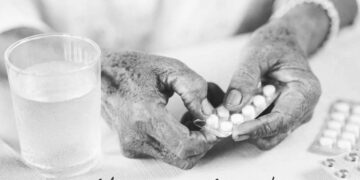
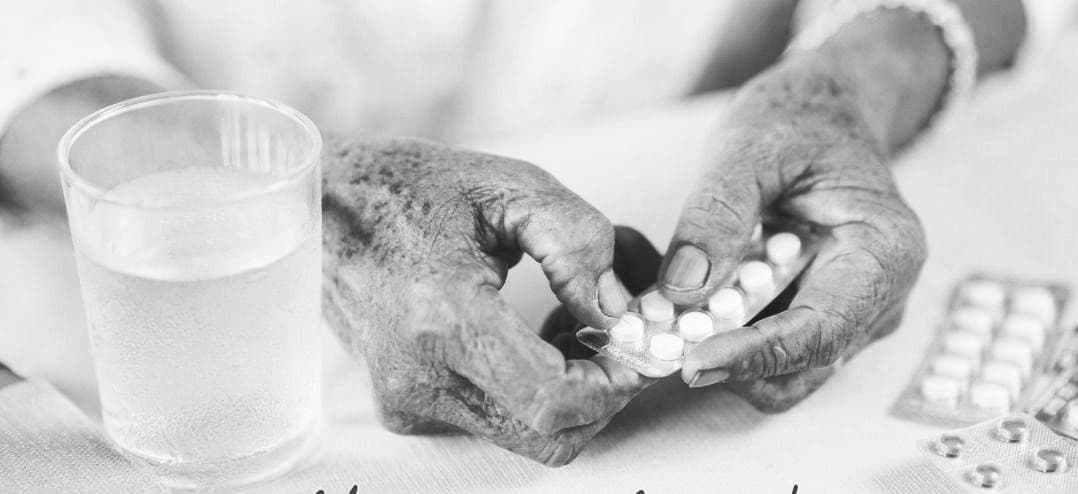
The Ministry of Health has cautioned the public against widespread self-medication, particularly the misuse of anti-malarial drugs, and other antibiotics, warning that the practice is accelerating drug resistance and undermining treatment effectiveness.
The revealation was made by the ministry spokesperson, Emmanuel Ainebyoona, during a media briefing to launch the 5th edition of the Uganda Pharma Healthcare 2026, at the Uganda Media Centre on Wednesday.
Ainebyoona urged Ugandans to seek proper diagnosis before taking medication.
“We are observing a lot of misuse of medicine in terms of self-medication, mainly for anti-malarial drugs. Whenever you feel like you have a fever, go for a malaria test before taking any medication,” Ainebyoona said.
The ministry warned that taking drugs without professional prescription is contributing to resistance, where medicines become less effective over time.
“This has resulted in resistance, where you find some medicines no longer respond. It is dangerous to self-medicate without guidance from a qualified medical doctor,” Ainebyoona added.
The upcoming Uganda Pharma and Healthcare exhibition is scheduled to take place from March 26 to 28 at the UMA Show Grounds in Lugogo.
The event will bring together key players in the pharmaceutical and healthcare sectors under the theme of strengthening access, quality and sustainability in healthcare.
“This year’s event will showcase the latest innovations in pharmaceuticals, medical equipment and healthcare solutions,” said Digvijay Singh, Executive Director ETSIPL a representative of the event’s international partners from India.
According to organisers, the exhibition is Uganda’s largest specialised international healthcare event, attracting more than 100 companies from countries including India, the United Arab Emirates, Oman, Pakistan, Kenya and Vietnam.
Participants will include manufacturers, distributors and service providers across the healthcare value chain, with a focus on innovation, partnerships and knowledge exchange.
Dr Ezra Muhumuza , the Executive Director of Uganda Manufacturers Association (UMA) noted that Uganda has made significant strides in local pharmaceutical production, reducing reliance on imports.
“We used to import syringes, gloves, cotton and many essential medical supplies. Today, many of these are produced locally. We now manufacture diagnostic kits for malaria, HIV and sickle cell, among others,” said Muhumuza.
He added that ongoing technology transfer and industry collaboration could position Uganda to manufacture vaccines in the near future.
“We are heading towards manufacturing vaccines so that in the event of outbreaks, we are not dependent on other countries,” he said.
Additionally, Uganda Healthcare Federation Executive Director, Grace Kiwanuka, said the exhibition offers a platform to deepen investment and partnerships in the sector.
“This is an opportunity for financing, technology exchange and partnerships between international and local private companies. We want to see increased collaboration to build a stronger healthcare system,” she said.
Kiwanuka encouraged innovators, investors and health professionals to participate in the three-day event, describing it as a key networking and learning platform.
Organisers say the exhibition will also feature healthcare dialogues aimed at shaping the future of Uganda’s health sector and enhancing regional integration.