











By Olive Atuhaire,
OPINION
On March 8, the world celebrates the International Women’s Day, and this year’s celebrations are marked under the theme “Give to Gain,” which encourages the mindset of generosity and collaboration. This annual event highlights women’s achievements, resilience, and vital contributions to society. However, this occasion should not only be about celebration, but it should also serve as an opportunity to raise awareness about the challenges women continue to face in energy sector such as access to clean energy.
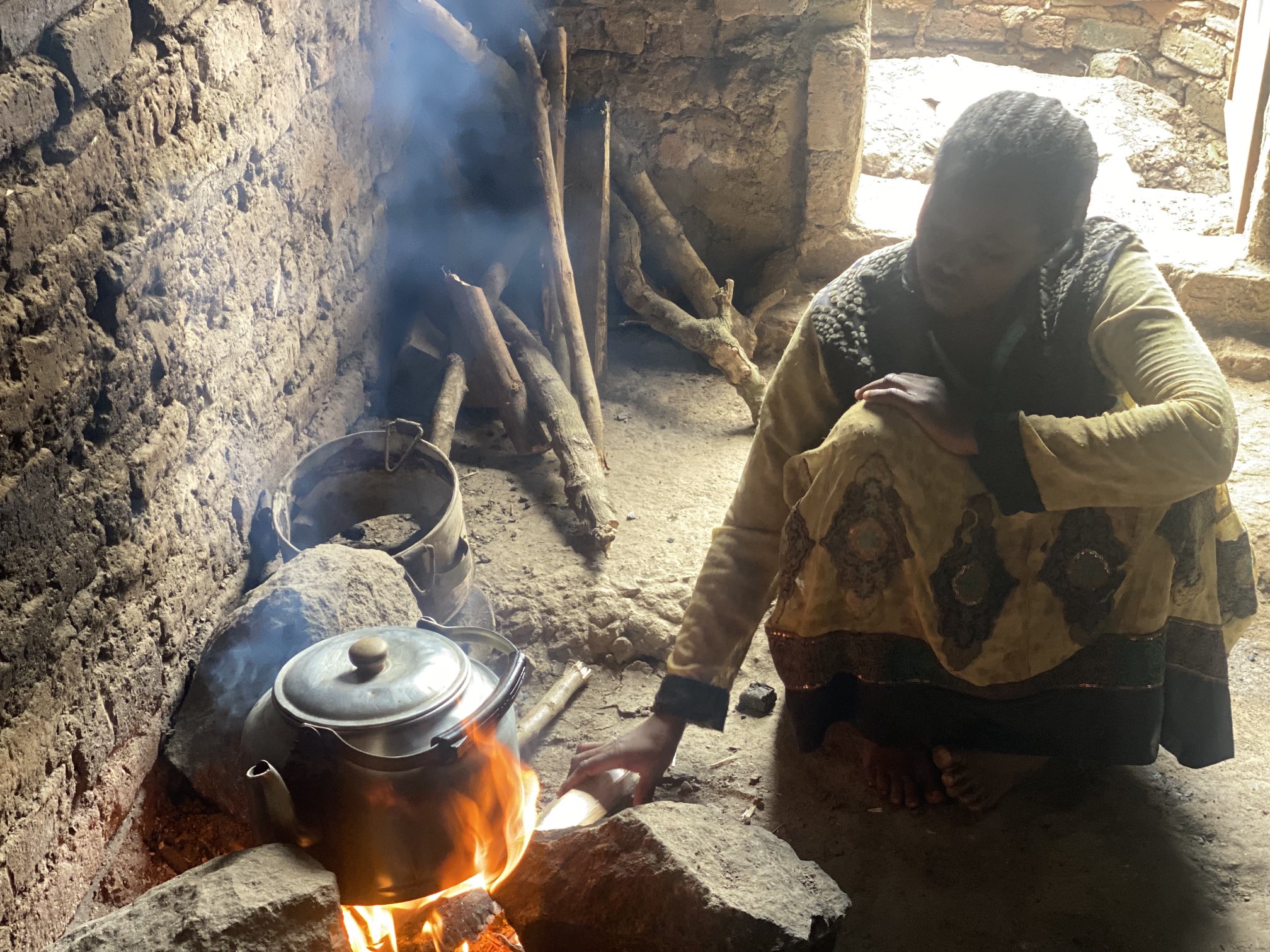
We must advocate for gender equality in clean energy access and empower women and girls to thrive in sustainable and resilient communities by addressing the energy challenges that affect them. Notably, many women continue struggling with energy challenges which makes them perform cooking activities using firewood, charcoal, and kerosene that generate a lot of emissions.
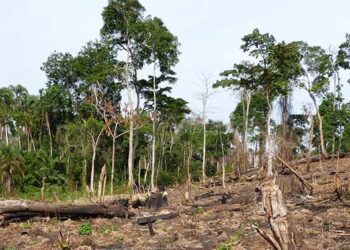
Additionally, women carry the primary responsibility for household and community survival, including collecting firewood, cooking, and providing lighting. Rural women in particular rely heavily on natural resources to meet daily energy needs. Yet, climate change through prolonged droughts, deforestation, and erratic rainfall makes access to these resources increasingly difficult.
It is noted that currently, the total installed power in Uganda stands at over 2, 048.1MW and according to the current report from the Ministry of Energy, over 80% of the population still relies on traditional biomass such as firewood and charcoal for cooking. According to the National Population and Housing Census (NPHC) 2024, only 3.8% of households use clean fuels and technologies for cooking, 6.5% in urban areas, compared to just 1.9% in rural areas. This heavy reliance disproportionately burdens women and girls, who spend long hours collecting firewood, time that could otherwise be used for education, income-generating activities, or rest.
Furthermore, exposure to smoke from biomass and kerosene use increases the risk of respiratory diseases, particularly among women and children, while inefficient lighting sources release harmful hydrocarbons and contribute to greenhouse gas emissions, accelerating climate change. Energy poverty, therefore, not only undermines public health and environmental sustainability but also limits women’s economic productivity.

This means that without access to reliable and clean energy, women remain trapped in time-consuming domestic responsibilities, limiting their ability to participate fully in economic and decision-making processes. Persistent barriers, financial, technological, and social, prevent women from accessing the benefits of renewable energy even as Uganda works toward universal energy access.
International Women’s Day should therefore be a call to action, a reminder that incremental progress is no longer enough. The government needs to provide women with access to clean energy through skills training, entrepreneurship, and leadership opportunities to empower them economically and foster sustainable growth for their families and communities. When women are equipped to lead in the renewable energy sector, we all gain stronger, greener, and more inclusive societies for generations to come.
Notably, clean energy reduces the heavy domestic burden that many women face, such as collecting firewood and cooking with inefficient fuels. It also saves time, improves health, and creates opportunities for women’s economic participation. For instance, access to solar energy can support women entrepreneurs by powering small businesses, boosting farming productivity, creating jobs, and increasing household incomes, while protecting the environment.
Further, empowering women with renewable energy knowledge and technologies drives sustainable development by improving household well-being, promoting environmental conservation and climate action, and strengthening community resilience. We must recognize women as key agents of change to ensure their full participation at every stage of planning and implementing renewable energy initiatives.
The writer is a research associate at AFIEGO
Email: atuhaireolive72.ao@gmail.com