







RWAKITURA
Uganda’s president elect, Yoweri Kaguta Museveni has pledged to prioritize economic growth and the eradication of household poverty as he begins his seventh term in office. The National Resistance Movement (NRM) party head disclosed this on Sunday after formally receiving his declaration of victory in Uganda’s recently concluded presidential election.
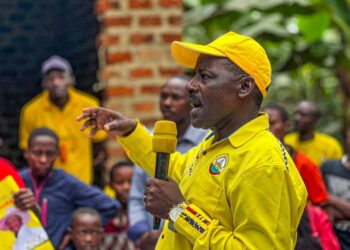
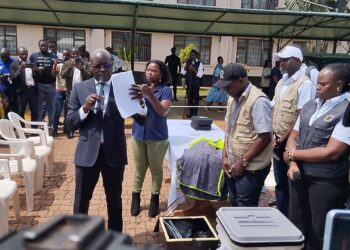
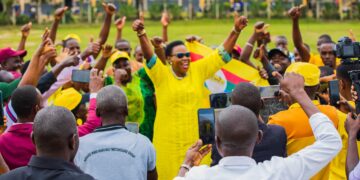
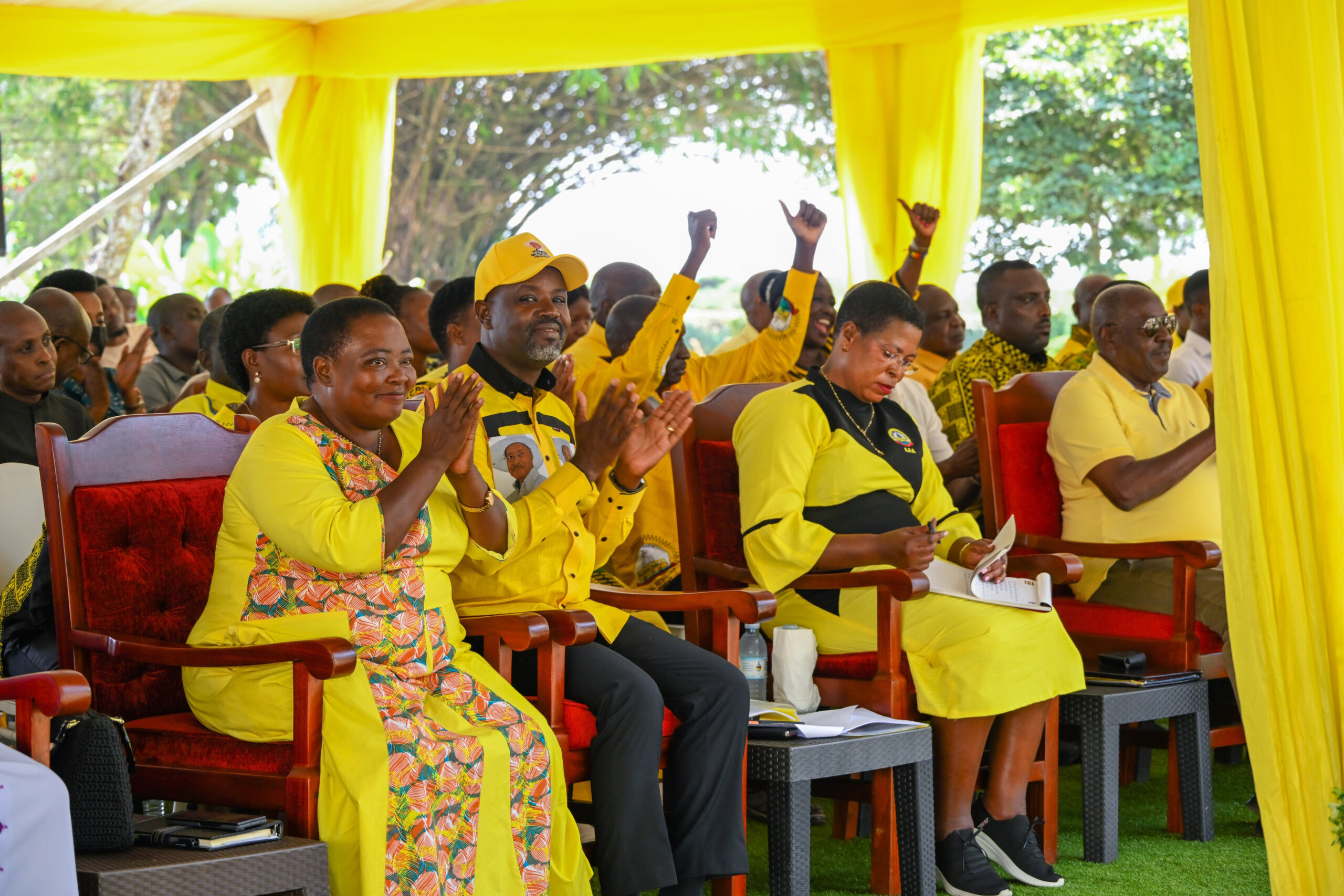
Museveni, 81, was officially presented with the declaration by the National Resistance Movement (NRM) Central Executive Committee at his country home in Rwakitura on Sunday. According to Electoral Commission figures, Museveni won the 2026 presidential election, after securing 7,946,772 votes, representing 71.65 percent of the valid votes cast.
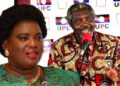
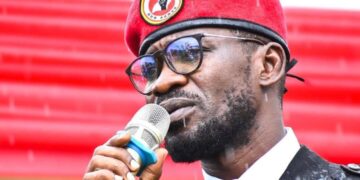
Opposition candidate Robert Kyagulanyi Ssentamu of the National Unity Platform finished second with 2,741,238 votes (24.72 percent). Other candidates shared the remaining votes, each polling below two percent. The election recorded 11,090,848 valid votes out of 11,366,201 total ballots cast, translating into a voter turnout of 52.5 percent.
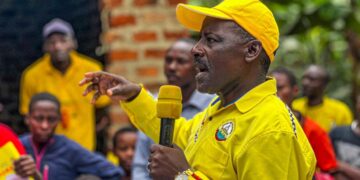
In his acceptance remarks, Museveni said his new term would focus on expanding the economy while decisively tackling poverty at the household level, particularly among Ugandans still outside the money economy.
“For about 70 percent of the people in the money economy, we must support them to continue growing,” Museveni said. “For the remaining 30 percent, this is where we must decisively address poverty”.
He pointed to government programs such as the Parish Development Model and presidential skilling hubs as key tools in lifting households out of poverty, while acknowledging uneven implementation and the need for closer scrutiny.
Museveni also emphasized unity, stability and disciplined governance, crediting his victory to the collective efforts of NRM members, national institutions and community leaders, including the armed forces, religious leaders and cultural institutions.
Reflecting on the election, the president noted that voter turnout among NRM supporters was lower than expected, estimating that about 10 million party members did not cast ballots, an issue he said the party must study going forward.
On security, Museveni warned against isolated acts of violence linked to political extremism, while stressing that peace in Uganda is sustained not only by security agencies but also by citizens across the political divide.
Looking ahead, Museveni outlined broader economic priorities, including job creation through agriculture, manufacturing and the private sector, rather than expanding public service employment. He also underscored the importance of regional integration, citing the East African Community as a critical market for Uganda’s growth.
Museveni confirmed that Uganda’s long-awaited oil production is expected to begin this year, saying revenues would be invested in long-term national assets such as railways, power generation, roads and science education, rather than short-term consumption.
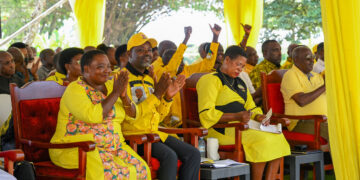
The ceremony was attended by senior NRM leaders, government officials and religious figures, including the first lady, Janet Museveni, who urged party leaders to remain faithful, united and committed to guiding the country in the new term.