











By Leonard Kamugisha Akida,
KAMPALA
A section of National Resistance Movement (NRM) youth leaders has called for reforms in the election of the Speaker of Parliament, arguing that the party should allow its Parliamentary Caucus to choose candidates based on merit rather than endorsement by the Central Executive Committee (CEC).
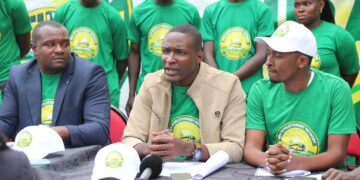
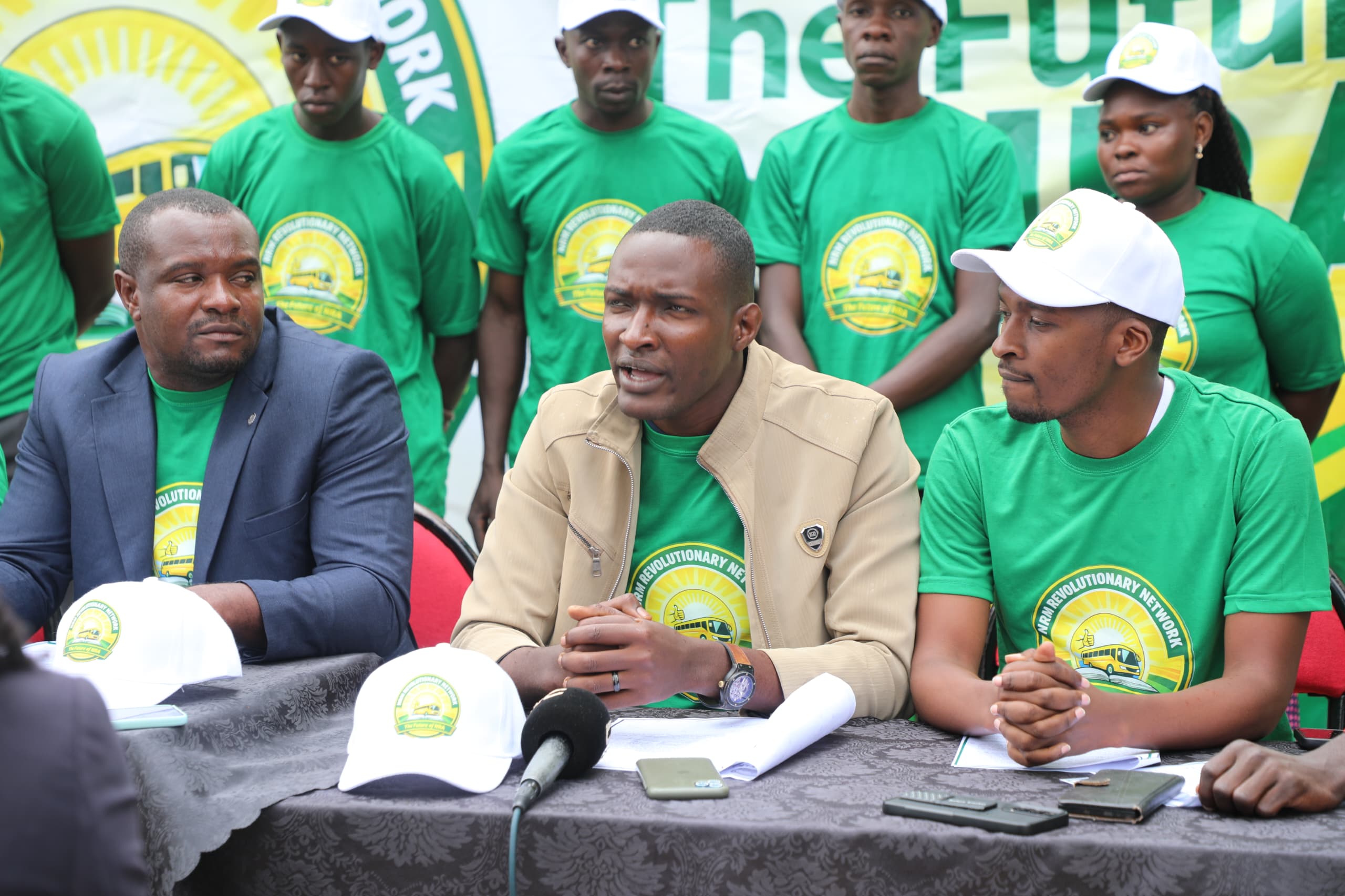
The youth, operating under the NRM Revolutionary Network (NRN), made the call during a press conference held at Kati Kati Restaurant Kampala on Monday.
Speaking at the event, Sheema District NRM youth leader Edgar Stuart Mugisha said the current system of selecting candidates for the positions of Speaker and Deputy Speaker sidelines meritocracy and promotes elite interests.
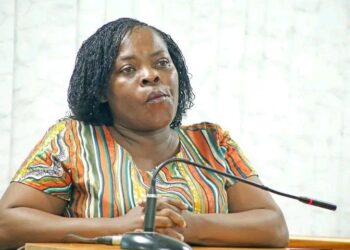
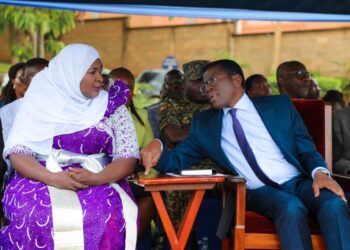
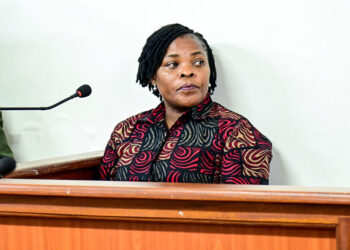
Recently, the NRM CEC endorsed Speaker Anita Among and Deputy Speaker Thomas Tayebwa for the same positions in the next Parliament, however, the youth have criticized this move saying it contradicts the party’s principles of merit-based leadership.
“The President has consistently emphasised meritocracy as a guiding principle in governance. But where is the meritocracy if positions are decided without internal competition? From LC1 to LC5 and parliamentary positions, the party conducts primaries. Why should the position of Speaker be different?” Mugisha asked.
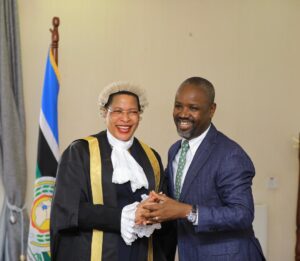
The youth argued that the NRM Parliamentary Caucus should be empowered to identify and elect candidates for the top parliamentary leadership positions, saying the current system weakens internal party democracy.
Article 82 of the Constitution provides for the election of the Speaker and Deputy Speaker by Members of Parliament from among themselves. The election is conducted during the first sitting of Parliament or when a vacancy arises, under the supervision of the Chief Justice or a designated judge through a secret ballot that requires a candidate to obtain a majority vote.
Within the NRM, however, candidates for the Speakership are traditionally vetted and endorsed by the CEC to ensure party cohesion and loyalty to the party leadership.
Meanwhile, the youth leaders also proposed a national dialogue on adopting a Presidential Electoral College system, where Ugandans would elect Members of Parliament who would, in turn, elect the President.
NRN youth leader Jamir Kazibwe said the proposal aims to reduce the cost of presidential elections, which he said has placed a heavy financial burden on the country.
“We, the wananchi, elect Members of Parliament to represent our ideas. If they represent our views, they can also elect a President on our behalf. This will significantly reduce the money spent during elections,” Kazibwe said.
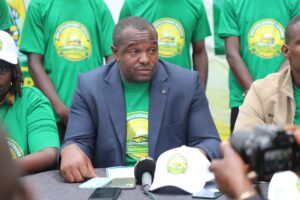
He claimed that Uganda has spent over Shs10 trillion on previous elections and argued that the proposed system would help minimise electoral expenditure.
This is not the first time such a constitutional change is being considered. In 2022, the Transformers Cadres Association of Uganda pushed for the amendment of the electoral laws and other legislation to pave way for a hybrid parliamentary system where the Head of State is elected by Parliament and Local Government Councils, the proposal is still in offing.
The proposal by the youth leaders comes amid ongoing national debates on electoral reforms and governance structures, although it remains unclear whether it will gain support within the NRM leadership and Parliament.