














 In an era defined by wars, rising geopolitical rivalries, and deepening global mistrust, the world is increasingly divided into competing camps. Alliances and political alignments shape how nations interpret almost every major crisis. Yet history repeatedly shows that when global conflicts are reduced to rigid blocs of loyalty and rivalry, the human cost of those conflicts is often pushed into the background.
Peace becomes harder to achieve when geopolitics overshadows humanity.
While alliances and strategic partnerships remain central features of international relations, they can also simplify complex realities into opposing sides. These divisions often deepen confrontation rather than resolve it. A more mature approach to global affairs requires recognizing the limits of rigid alignments and adopting a guiding principle that transcends political blocs: placing human dignity, security, and collective well-being at the center of political decision-making.
When humanity becomes the reference point, the international community gains a stronger foundation for dialogue and sustainable peace.
Geopolitics naturally encourages nations to view global affairs through the lenses of power, competition, and strategic advantage. States and alliances frequently frame international issues in terms of loyalty and rivalry. When societies strongly identify with one side, they may unintentionally overlook the broader human consequences of conflict—suffering, displacement, instability, and long-term social damage. In such circumstances, taking sides can sometimes obscure more than it clarifies.
History provides powerful lessons about the dangers of rigid geopolitical divisions. During the Cold War, the world was sharply divided between rival ideological blocs led by the United States and the Soviet Union. Many regional conflicts became proxy wars, where geopolitical competition overshadowed the human suffering on the ground. Millions of lives were disrupted or lost in conflicts that were often framed primarily as struggles for influence rather than humanitarian crises.
Yet even within that era of intense rivalry, moments of diplomatic progress emerged when leaders stepped beyond rigid alignments. Agreements such as the Strategic Arms Limitation Talks demonstrated that dialogue rooted in mutual survival and shared human vulnerability could reduce tensions between adversaries. These breakthroughs did not eliminate ideological differences, but they acknowledged a simple reality: humanity’s survival mattered more than geopolitical victory.
Rigid alignments often hide the true human cost of political confrontation. When conflicts are framed purely as contests between opposing camps, the space for empathy and understanding shrinks. The real victims of war—families displaced from their homes, communities fractured by violence, and generations growing up in instability—rarely fit neatly into narratives of victory or defeat.
Recognizing these human realities does not deny the complexity of politics. Rather, it reminds us that humanity must remain the central reference point whenever geopolitical tensions arise. States will inevitably pursue national and ideological interests, but those interests should be guided by principles that safeguard human life, dignity, and coexistence.
Recent conflicts illustrate this challenge clearly. In the ongoing war between Russia and Ukraine, global reactions have often been shaped by geopolitical alliances and strategic calculations. While political positions differ across regions, the humanitarian consequences—displacement, loss of life, and economic hardship—have affected millions of ordinary people. The suffering of civilians reminds the world that behind every geopolitical confrontation are human lives that cannot be reduced to strategic narratives.
Emphasizing humanity does not mean ignoring injustice or remaining silent in the face of wrongdoing. There are situations in which aggression, violations of sovereignty, or humanitarian crises demand clear moral responses. The challenge is therefore not simply avoiding sides but avoiding dehumanization. It is possible to defend principles such as justice, sovereignty, and human rights while still recognizing the shared humanity of all those involved.
Peace requires accountability, but it also requires empathy.
True maturity in geopolitical thinking lies in maintaining this balance. Sustainable peace rarely emerges from humiliation or domination. Instead, it depends on dialogue, trust-building, and institutions capable of managing competing interests without violence. The goal is not to eliminate differences but to create systems where those differences can coexist without leading to destruction.
Cultivating understanding is therefore essential. Many modern conflicts are fueled by narratives that simplify complex political realities into stories of good versus evil. Such narratives may mobilize populations, but they often narrow the possibilities for diplomacy. When societies begin to look beyond these narratives and recognize shared human vulnerability, the groundwork for meaningful dialogue begins to emerge.
In an increasingly interconnected world, this perspective has become even more urgent. Global challenges such as climate change, pandemics, economic interdependence, and technological disruption demonstrate how deeply humanity’s future is intertwined. The well-being of one region cannot be separated from the stability of others. A world defined by perpetual geopolitical confrontation cannot effectively address these shared challenges.
Recognizing this interconnectedness reveals an important truth: prioritizing humanity is not only morally compelling—it is also strategically wise. Long-term national interests are best protected in a global environment characterized by stability, cooperation, and mutual respect. Peaceful societies generate resilience in ways that conflict-ridden regions cannot.
The path forward begins with a simple but profound shift in perspective. When humanity becomes the central reference point in geopolitical tensions, the conditions for de-escalation and cooperation become stronger.
The sooner societies embrace this principle, the greater the chance of transforming geopolitical rivalry into constructive engagement.
In the end, peace begins when humanity becomes the reference point.
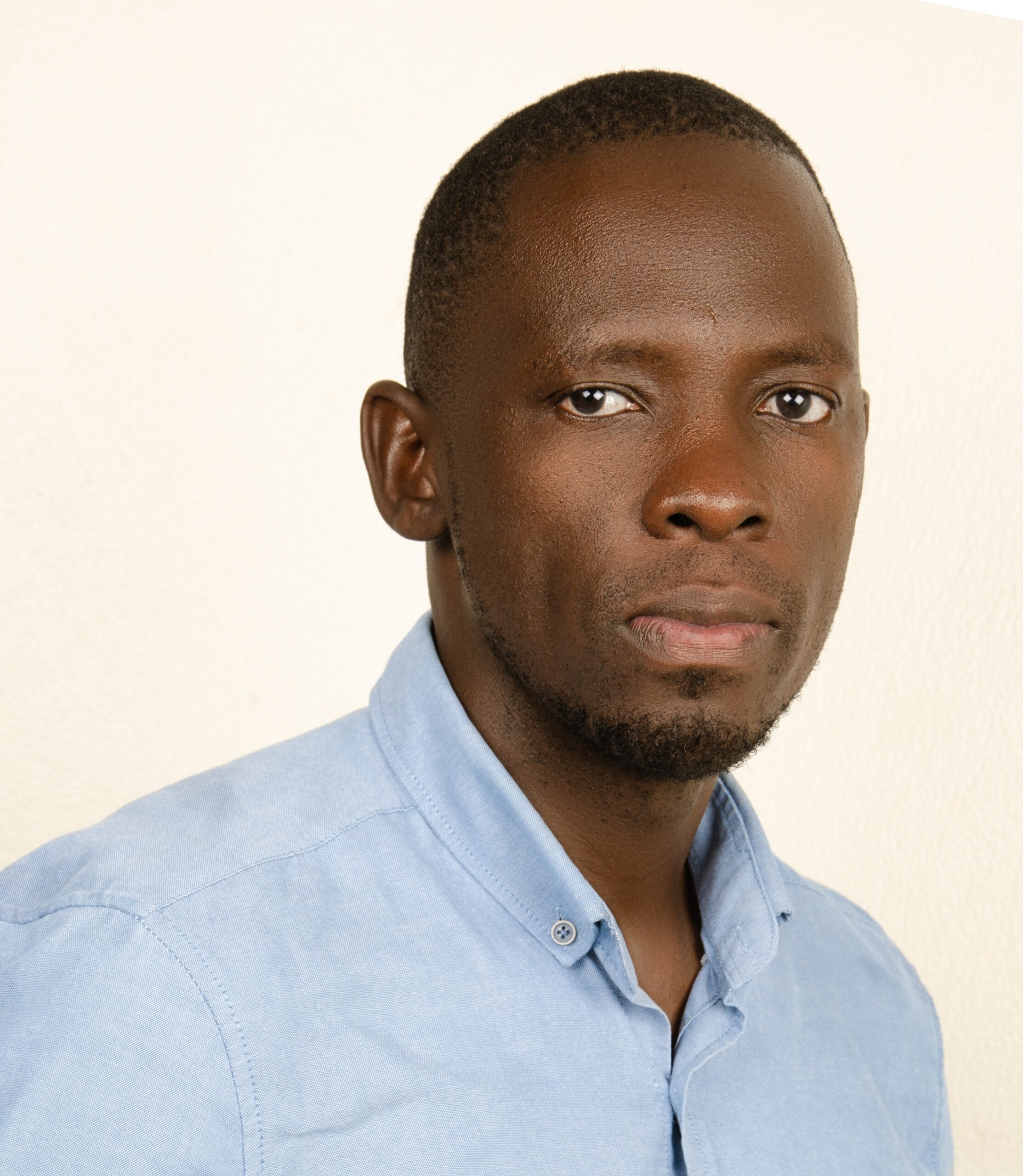
By Owiny Hakim
owinyhakim@gmail.com.
Hakim Owiny is a Governance and Community Systems Strategist and a Mandela Washington Fellow (2022).
His work focuses on strengthening governance frameworks, advancing community led development, and promoting inclusive, sustainable solutions across urban and rural contexts. He is also the founder of EduCycling, with the Mission to promote early childhood literacy for children aged 5–10 across Africa, and is actively engaged in policy advocacy, civic engagement, and systems thinking to advance social, economic, and environmental transformation in Uganda and the wider region.