












OPINION
On February 2, 2026, Uganda joined the rest of the world in commemorating World Wetlands Day under the theme “Wetlands and traditional knowledge: Celebrating cultural heritage.” The national celebrations held at the National Forestry Authority Grounds in Bugolobi, Kampala, underscored the deep and enduring connections between wetlands, people, and culture. The event provided a timely opportunity to reflect on the critical role of wetlands in supporting livelihoods and protecting biodiversity.
Wetlands play an essential role in flood control, water retention, and mitigating the effects of climate change. Furthermore, they support diverse plant and animal species, particularly in rural areas and serve as a vital source of natural resources. Many communities depend on wetlands for food, energy, medicine, building materials, dry-season grazing, and transportation. In addition, Wetlands are highly effective carbon sinks, absorbing and storing carbon dioxide in vegetation and soil. This makes wetland protection and restoration a critical pillar of Uganda’s energy transition and efforts to reduce greenhouse gas emissions.
During the wetland’s day commemoration, Uganda launched the National Wetland Strategic Plan 2026–2036, reaffirming the government’s commitment to conserving wetlands as critical ecosystems amid growing pressures from encroachment, degradation, and climate change. This strategic plan represents a positive step towards sustainable wetland management and environmental protection.
Additionally, over the years, the National Environment Management Authority (NEMA) of Uganda has implemented several initiatives and strategies to protect and restore wetlands, including the National Environment Notice 2023 to prohibit encroachment, drainage and pollution, the National Wetland Restoration Project 11, the Green Climate Fund (GCF) Wetland Project, the Tilenga Biodiversity Program, the District-Level Action, the Community based management approaches, and strengthened enforcement and Monitoring mechanisms.
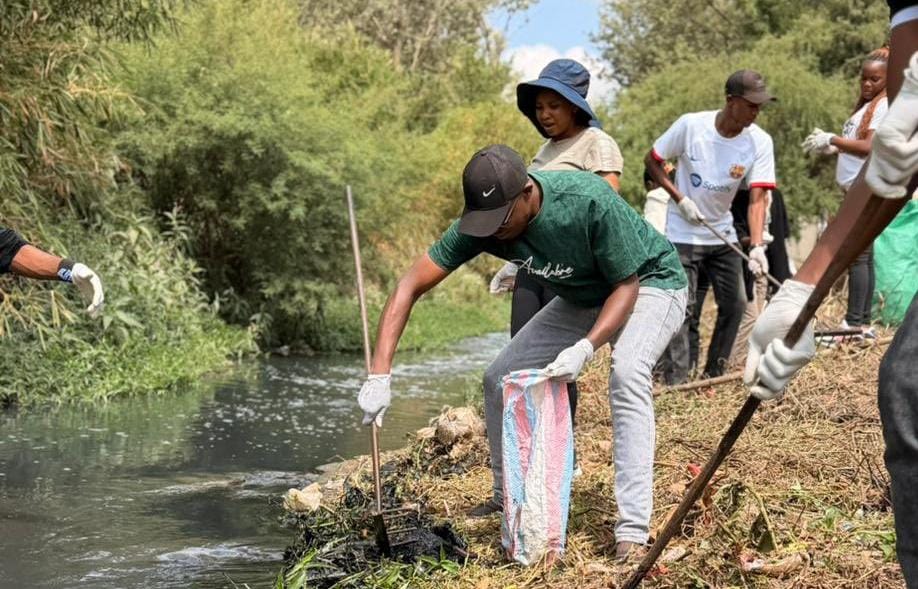
It is commendable that the government has demonstrated continued dedication to wetland conservation and restoration for the benefit of all citizens. We have at least witnessed several Ugandan wetlands restored, such as the extensive Lubigi wetland system (486Ha) near Kampala, Nyamuhizi wetland in Mitooma, Kanyabuhura wetland in Rwampara and Lwajjali wetland in Mukono, among others.
According to recent data from the National Environment Management Authority (NEMA), Uganda’s wetland coverage has increased from 8.9 percent in 2019 to 13.9 percent in 2025. However, this remains below the 15.6 percent coverage recorded in 1994. Nationally, Uganda has lost over 30 percent of its wetlands since the 1990s due to agricultural expansion, settlement, and industrial development. In districts such as Budaka, where more than 80 percent of the population depends on farming, pressure on wetlands continues to intensify, undermining ecosystem services, climate resilience, and sustainable development
A report by Nile Post on December 30, 2025, highlighted increasing encroachment in the Nasenyi wetland in Eastern Uganda, where residents have reported worsening floods, prolonged dry spells, and declining livelihoods, noting that high fertility rates, rapid population growth, and school dropout levels, particularly among young people, have intensified dependence on wetlands, with rice cultivation becoming the dominant livelihood activity. This indicates that further efforts are needed to restore and protect more degraded forests in our country.
The government of Uganda, in collaboration with development partners, Civil Society Organizations (CSOs), and local communities, should scale up wetland restoration and protection efforts in all parts of the country through increased funding, stricter enforcement of environmental laws and strengthened community based development planning, promote sustainable livelihood alternatives for wetland dependent communities and enhance public awareness on the value of wetlands. This will help the country have the long term preservation of its wetlands while balancing environmental sustainability with socio development
By Olive Atuhaire, Environmentalist
oliveatuhaire63@gmail.com