













By Ahirirwe leticia
OPINION
Conversations about self-care often feel distant from the lived realities of grassroots women. For many, the idea of taking time to rest, reflect, or prioritize personal wellbeing can seem unrealistic almost like a privilege reserved for others. Yet for women navigating gender-based violence, daily frustrations, and the invisible burden of unpaid care work, self-care is not a luxury. It is a powerful act of survival.
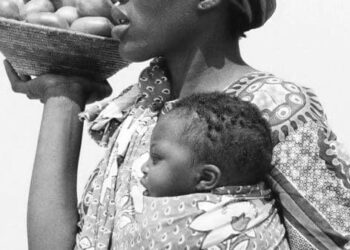
Across communities, women carry the weight of households, families, and economies, often without recognition or support. They wake up early to fetch water, prepare meals, care for children, tend to farms, and support livelihoods. This unpaid care work, though essential, is rarely valued. It consumes time, drains energy, and limits opportunities for rest, education, and economic independence.
At the same time, many of these women face gender-based violence in its different forms; physical, emotional, and economic. The trauma and fear that come with such experiences often go unspoken, hidden behind the expectation that women must remain strong and endure. Over time, this creates deep emotional exhaustion, frustration, and a sense of invisibility.
In such contexts, self-care must be redefined.
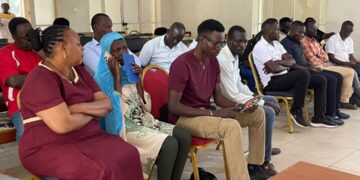
 Self-care for grassroots women is not about expensive retreats or curated routines. It is about reclaiming small moments of dignity, safety, and control in environments that often deny them these very things. It may mean speaking up in a community meeting, sharing experiences with other women, or simply taking a moment to breathe and rest without guilt. It can be found in solidarity, women supporting women, listening to each other, and creating safe spaces for healing.
Importantly, self-care also includes setting boundaries, even in difficult circumstances. It is about recognizing that enduring violence or constant exhaustion should not be normalized. While structural barriers often make it hard to leave harmful situations, acknowledging one’s worth and seeking support, through local leaders, women’s groups, or community organizations, is a critical step toward wellbeing.
However, placing the responsibility of self-care solely on women is not enough. The burden must also be addressed at its roots. Governments, institutions, and communities must recognize and reduce unpaid care work by investing in services such as childcare, water access, and clean energy. There must be stronger protections and support systems for survivors of gender-based violence. Cultural norms that silence women and normalize their suffering must be challenged.
True wellbeing for grassroots women will not come from individual effort alone, it requires collective action and systemic change.
Still, even within these constraints, the small, everyday acts of self-care matter. They remind women that their lives have value beyond the roles they perform for others. They create moments of strength in the face of adversity and plant seeds of resilience and empowerment.
Self-care, in this sense, becomes more than a personal practice, it becomes a quiet form of resistance. A way for women to say: I matter too.
As we advocate for gender equality and community development, we must center the wellbeing of grassroots women, not just in policy and programs, but in everyday conversations. Because when women are supported, safe, and well, entire communities thrive.