












By Ainembabazi Shallon,
OPINION
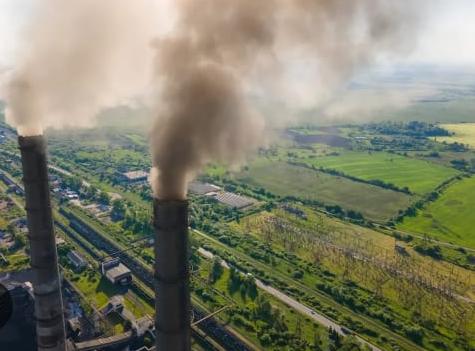
Uganda’s recent allocation of UGX 5 billion to manage greenhouse gas emissions is a commendable step toward fulfilling its climate commitments. While the funding demonstrates growing recognition of the urgency of climate action it should also serve as a catalyst for a broader and more ambitious transition away from fossil fuels. As global leaders prepare to convene at the First International Conference on the Just Transition Away from Fossil Fuels in Santa Marta, Colombia, from April 28 to 29, 2026, Uganda has a timely opportunity to position itself as a regional leader in sustainable development by embracing a just and equitable energy transition.
Although Uganda contributes only a small fraction to global greenhouse gas emissions, the country is among the most vulnerable to the impacts of climate change. Communities across the nation are already experiencing prolonged droughts, devastating floods and landslides, and erratic rainfall patterns all of which threaten food security and livelihoods. Women and children who bear the greatest burden of these impacts are primarily responsible for securing water, food, and collecting firewood. Transitioning to renewable energy and climate-resilient livelihoods is therefore not only an environmental necessity but also a social and economic imperative.
The UGX 5 billion investment should be strategically directed towards community led initiatives that accelerate Uganda’s shift to clean energy. Rather than investing in fossil fuels particularly in the Albertine Graben where oil and gas development is ongoing the funds can accelerate the expansion of decentralized renewable energy solutions such as solar , clean cooking stoves, and briquettes which are affordable, sustainable, and accessible. These investments would not only reduce emissions but also enhance energy access for rural and peri-urban communities many of which still lack reliable electricity. In so doing Uganda can strengthen its energy security while reducing vulnerability to volatile global fossil fuel markets.
A just transition also presents significant economic opportunities especially for Uganda’s youthful population. By investing in vocational training programs that equip young people with skills in renewable energy installation, maintenance, and innovation the country can create thousands of decent green jobs. Deliberate efforts must be made to ensure that women are actively supported to enter and thrive in these energy sectors through scholarships, mentorship and access to finance. Such inclusive approaches will not only promote gender equality but also harness the full potential of human capital in driving the green economy.
Furthermore, transitioning away from fossil fuels is essential for safeguarding Uganda’s rich natural heritage. Ecosystems such as Bugoma Forest, wetlands, and national parks like Murchison Falls are vital for biodiversity conservation and tourism. Fossil fuel extraction poses significant risks to these resources threatening both environmental sustainability and the livelihoods of communities that depend on these natural resources. Protecting these ecosystems aligns with Uganda’s broader development goals and enhances its resilience to climate change.
The Santa Marta Conference offers Uganda a strategic platform to demonstrate global leadership by supporting the Fossil Fuel Non-Proliferation Treaty which advocates for halting the expansion of fossil fuels and ensuring a fair and financed phase-out. By endorsing this initiative, Uganda can strengthen its international standing, attract climate finance and technological support that align its national policies with global climate ambitions. Such a commitment would signal the country’s readiness to pursue a sustainable development pathway that prioritizes people, planet, and prosperity.
Equally important is the need to ensure that the transition process is inclusive and participatory. Institutionalizing the involvement of women, youth, Indigenous peoples, and local leaders in energy planning will ensure that policies are grounded in lived realities and enjoy broad community support. Strengthening access to climate finance for grassroots organizations, including women-led groups and community-based initiatives, will empower local actors to implement solutions and enhance accountability in climate action.
Finally, the allocation of funds to manage greenhouse gas emissions represents more than a financial commitment; it is a pivotal opportunity for Uganda to redefine its development trajectory. As the world gathers in Santa Marta, Uganda stands at a crossroads between continued fossil fuel dependence and a sustainable, inclusive future powered by renewable energy. By embracing a just transition, the country can protect its communities, create green jobs, preserve its natural ecosystems, and emerge as a leader in climate action within the region. The time to act is now, and Uganda must seize this moment to champion a cleaner, fairer, and more resilient energy future.
The writer is a Programs officer at Women for Green Economy Movement (WOGEM) Uganda.