












By Shallon Ainembabazi,
OPINION
Every year on International Women’s Day, the world pauses to celebrate the achievements of women and reflect on the barriers that still stand in the way of gender equality. Yet in the face of today’s global challenges, climate change, environmental degradation, and social inequality, women are not only demanding change, they are leading it. This year’s theme reminds us that women are central to building resilient communities and safeguarding the planet for generations to come.
Across the globe, women stand at the frontline of climate action and the push for a just transition. In Uganda, women are the primary providers of food, water, and energy for their households. When droughts destroy crops or floods wash away homes and gardens, women are the first to feel the impacts. Yet they are also the ones developing solutions—embracing sustainable agriculture, protecting biodiversity, and mobilizing communities to adapt to climate change.
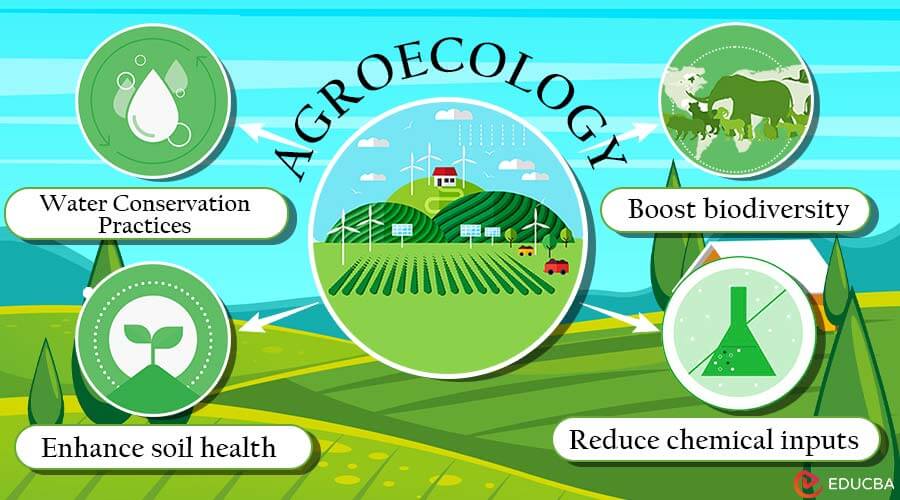
Women small-scale farmers are increasingly turning to agroecology practices that restore soil health, conserve water, and reduce dependence on harmful chemicals. These approaches not only strengthen food security but also protect ecosystems and contribute to climate resilience.
However, the path to leadership for women especially those defending environmental and human rights is fraught with challenges. Women activists frequently face intimidation, harassment, and even violence for speaking out against environmental destruction and social injustice. Despite these risks, they continue to organize, advocate, and hold governments and corporations accountable for decisions that affect people and the planet.
Recognizing women as leaders in sustainability requires more than celebration, it demands deliberate action. Governments must adopt gender-responsive climate policies that ensure women’s voices are included in decision-making spaces. Investment in education, renewable energy, climate-smart agriculture, and green jobs must prioritize women and girls. Equally important is the protection and safety of women activists who courageously defend land, water, forests, and community rights.
A sustainable future cannot be achieved without gender equality. When women lead, communities grow stronger, economies become more inclusive, and environmental solutions prove more effective. Women bring knowledge, resilience, and innovation that are essential in addressing the climate crisis and building sustainable societies.
As we mark International Women’s Day, we must move beyond rhetoric and commit to meaningful support for women leading change. From grassroots organizers to policymakers, from farmers to scientists, women are already shaping a more just and sustainable future. The responsibility before us is clear: amplify their voices, protect their rights, and invest in their leadership.
The writer is a Programs Officer at Women for Green Economy Movement (WOGEM) Uganda.