












HEALTH
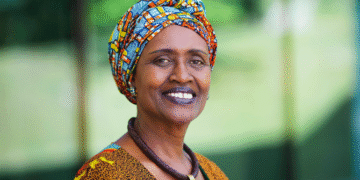
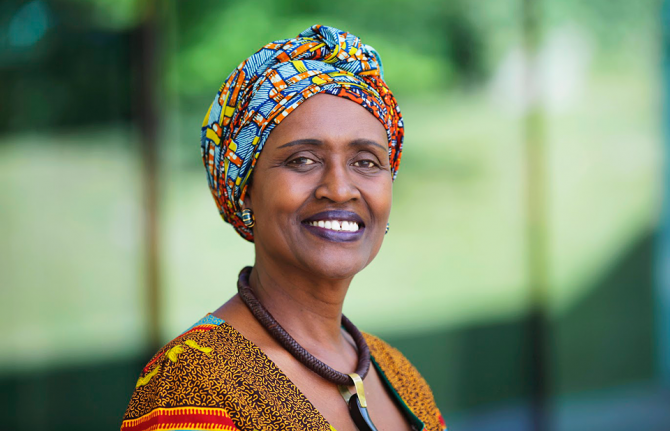
On World AIDS Day 2025, Winnie Byanyima, Executive Director of UNAIDS, has sounded the alarm over fragile progress in the global fight against HIV, warning that funding cuts, debt crises, and regressive laws are threatening hard-won gains.
Byanyima highlighted the story of Noncedo Khumalo, a 24-year-old peer mentor from Eswatini who lost her job after programme funding was terminated. “Many of the young women and girls she worked with are not well informed about HIV. Losing a peer mentor, a person like them, whom they can trust puts them at risk of HIV infection,” she said.
Over 60% of women-led HIV organisations have lost funding or suspended work, while prevention services have been severely disrupted. The use of PrEP, a key HIV prevention medicine, has dropped by 64% in Burundi, 31% in Uganda, and 21% in Viet Nam.
At the same time, Byanyima warned of a “determined, organized, and well-funded campaign against human rights,” noting that Burkina Faso, Niger, Mali, and Trinidad and Tobago have introduced new laws criminalising same-sex relationships.
The UNAIDS chief stressed the link between gender-based violence and HIV risk. In the past year alone, 316 million women worldwide suffered physical or sexual violence from intimate partners. In Sub-Saharan Africa, women who experienced such violence were 3.2 times more likely to acquire HIV.
Byanyima underscored the financial strain facing countries hardest hit by HIV. With revenue collection in Africa at just 16% of GDP and debt repayments exceeding health budgets in many nations, governments struggle to sustain HIV programmes. She urged global leaders to make debt restructuring a reality in 2026 to free up resources for health.
Despite setbacks, Byanyima pointed to positive developments: Rwanda now allows adolescents from age 15 to access sexual and reproductive health services without parental consent.
The first doses of Lenacapavir, a twice-yearly HIV prevention injection, have arrived in Africa, though rollout remains slow due to limited licensing of generics.
Donor governments continue support, with the Global Fund’s eighth replenishment securing US$ 11.34 billion in pledges so far.
She also praised the African Union Roadmap to 2030 and the Accra Reset, which place health financing and sovereignty at the centre of development strategies.
Byanyima concluded with a message of cautious optimism:
“There is no silver bullet. But if governments, communities and international organisations can come together to unlock domestic HIV financing, protect human rights and gender equality, and make new innovations affordable and accessible for all, we can seize this moment. The world can end AIDS.”