











By Atukwatse Ritah,
MITOOMA,
In the trading centres, villages, and roadside gatherings of Mitooma, the conversation is no longer just about party flags or campaign posters. It is about loyalty, sacrifice, and who truly represents the people.
Political tensions have risen sharply following a dramatic shift by Deputy Speaker of Parliament Thomas Tayebwa, who has publicly distanced himself from Hon. Juliet Agasha Bashisha, a Woman MP candidate whose supporters say stood with him during the most defining moments of his political journey.
For many residents, the issue is not merely political, it is deeply personal.
During the 2025 NRM primaries, Tayebwa took to the ground in Ruhinda North, openly campaigning for Agasha Bashisha and urging voters not to support Rebecca Kyarampе Namanya. Yet, in a rare show of voter independence, residents ignored his call and elected Kyarampе as the NRM flag bearer for the Mitooma Woman MP seat.
What followed shocked many.
Weeks later, Tayebwa resurfaced in Rwoburunga and Kiyanga sub-counties, this time asking the same voters to rally behind the very candidate he had opposed—citing the need for party unity after the primaries.

“I came here and asked you not to vote for her and urged you to vote for my sister who I already have in Parliament, but some of you defied and voted for her,” Tayebwa told voters in Rwoburunga and Kanyabwanga recently. “I promised that if she doesn’t win, I would back the flag bearer. And here I am.”
While his words appealed to party discipline, they reopened old wounds among Agasha’s supporters, many of whom feel that political loyalty was sacrificed at the altar of convenience.
“Politics should not erase history,” said a resident of Ruhinda South. “Some people forget who stood with them when they were still fighting to be known.”
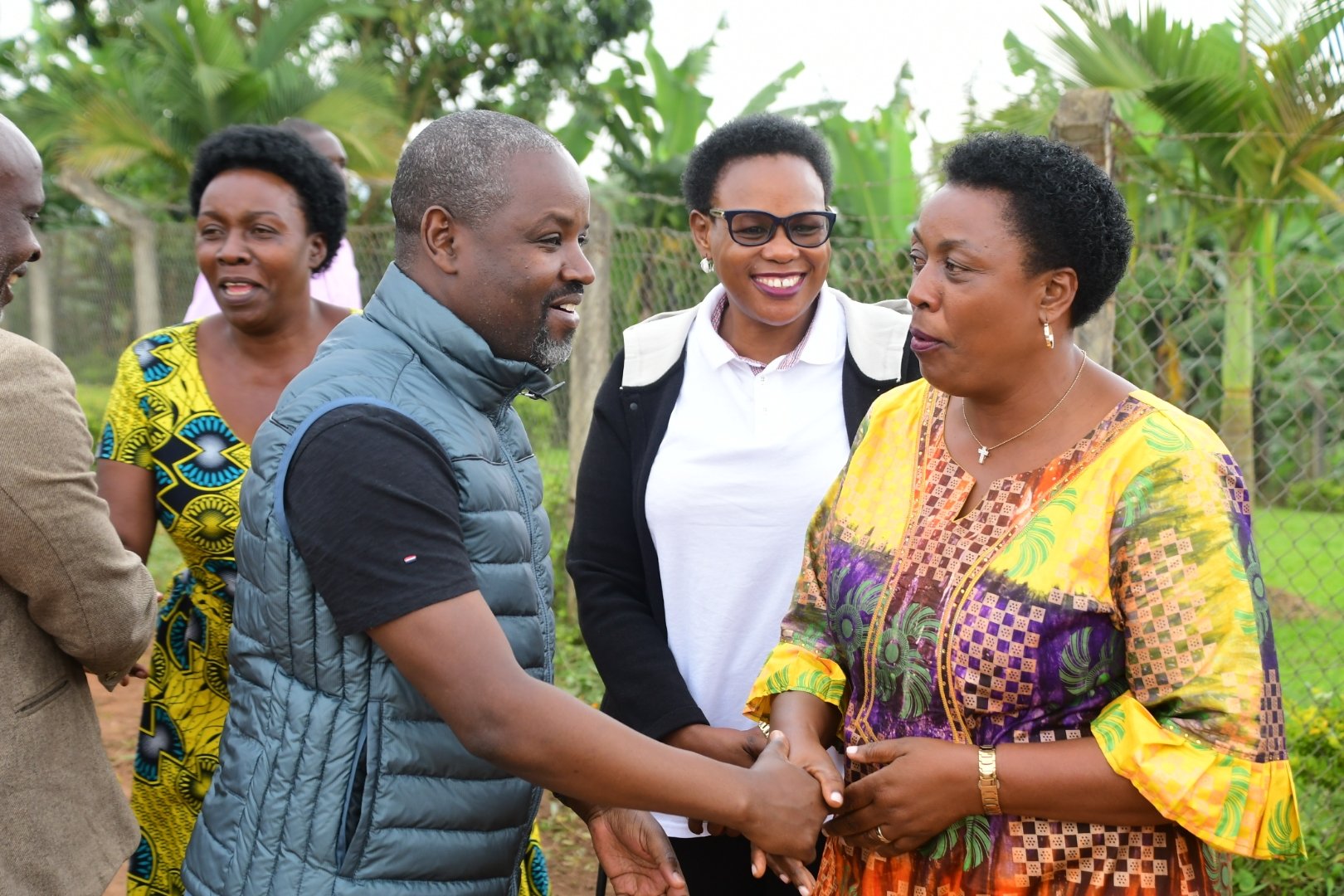
Agasha Bashisha herself has chosen restraint over confrontation. Running as an independent candidate, yet openly loyal to the NRM and President Yoweri Museveni, she has avoided direct attacks, instead continuing to engage communities on issues of clean water, women and youth empowerment, healthcare, and infrastructure.
But beneath the surface, a deeper grievance is emerging—regional imbalance.
Across Mitooma, voices are growing louder over the concentration of political power in Ruhinda Central and Ruhinda North, which already boast some of the district’s most influential leaders, including Tayebwa himself. Meanwhile, Ruhinda South, residents say, remains politically sidelined.
“Every big leader comes from Central or North,” said a youth leader from Ruhinda South. “Who speaks for us? Who takes our issues to Parliament?”
For many, Agasha Bashisha represents more than a candidate—she symbolizes inclusion for the forgotten parts of the district, particularly women, rural communities, and regions that feel locked out of national power.
Political analysts note that the unfolding drama in Mitooma is no longer just about party allegiance, but about whether leadership should reward loyalty, balance, and service—or simply follow party arithmetic.
“This race has become a moral test,” one analyst observed. “Voters are asking whether politics should honour those who stood with you, or discard them when circumstances change.”
As campaigns intensify, Mitooma finds itself at a crossroads. The Woman MP race is now a reflection of broader questions facing the district: Who belongs? Who decides? And who is left behind?