











OPINION
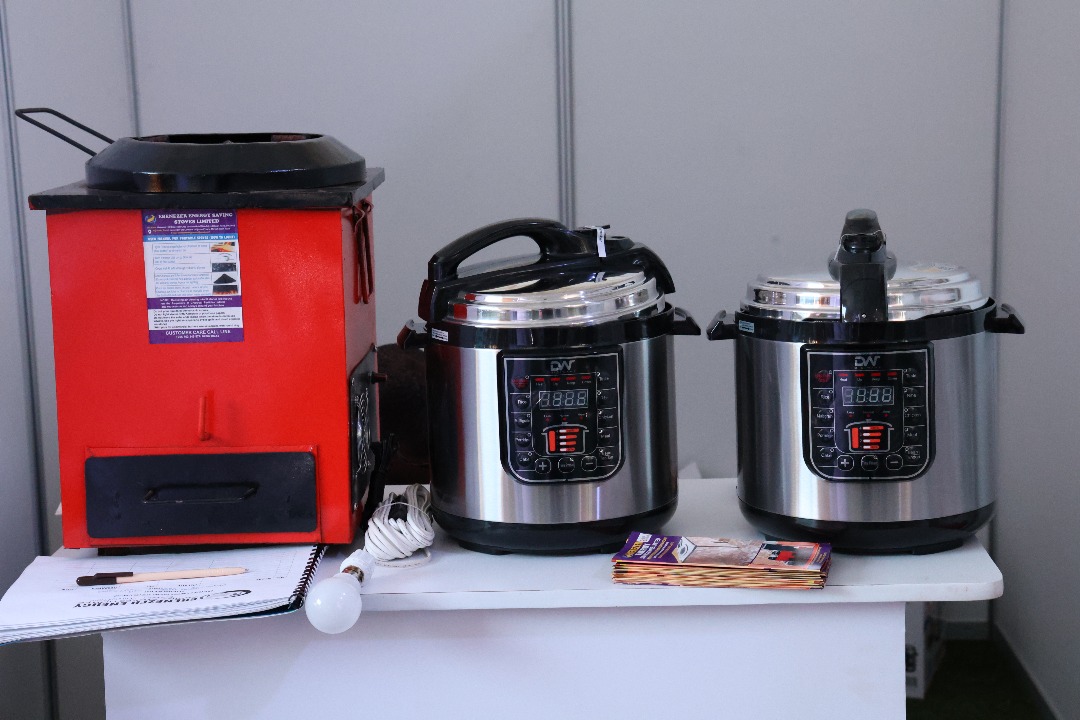
Last year, in December 2025, Daily Monitor reported on Uganda’s push toward clean energy. Through the Uganda Energy Credit Capitalization Company (UECCC) and other complementary initiatives, the government approved 92 companies to promote clean energy adoption by offering discounts of 20 to 60 percent on solar systems, clean cookstoves, biogas digesters, liquefied petroleum gas (LPG), and energy-efficient appliances. This intervention aims to make clean energy more affordable, particularly for households in remote and underserved communities, while accelerating Uganda’s broader energy transition.
Over the years, the Ministry of Energy and Mineral Development has demonstrated a sustained effort in expanding electricity access and promoting alternative energy solutions driven by the goal of achieving universal access by 2040, whereby massive investments have been made in hydroelectric projects such as Karuma and others, rural electrification programs, and policy shifts to support off-grid solar solutions, among others. This has led to steady improvements in connectivity and energy use across households, institutions, and small businesses. In a world increasingly affected by climate change, such efforts are not only timely but also necessary as clean energy reduces greenhouse gas emissions, protects natural ecosystems, and offers a pathway to sustainable development for communities that have long depended on environmentally destructive and inefficient energy sources.
This government’s approval of discounted clean energy solutions represents a notable step forward in the country’s energy sector. By lowering the cost of these clean energy alternatives, Uganda is making it easier for communities to adopt sustainable energy solutions. These initiatives demonstrate the Ministry’s commitment to fostering an inclusive energy transition, ensuring that the benefits of clean energy reach not only urban centers but also remote and underserved areas.
However, despite this progress, affordability is not the only obstacle to the adoption of clean energy; limited awareness, misinformation, and lack of technical knowledge continue to slow the uptake of clean cooking and renewable energy technologies, especially in rural areas. Many households still rely on firewood and charcoal, which contribute to deforestation, indoor air pollution, and adverse health effects, especially for women and children who bear the burden of cooking responsibilities.
Therefore, to maximize the full benefits of Uganda’s clean energy initiatives, financial incentives must be complemented by sustained public awareness campaigns. Communities need clear, practical information on the benefits of clean cooking technologies, not only in terms of environmental conservation but also in terms of health, time savings, and economic empowerment. Clean energy reduces exposure to harmful smoke, lowers the incidence of respiratory diseases, and frees up time that would otherwise be spent collecting firewood.
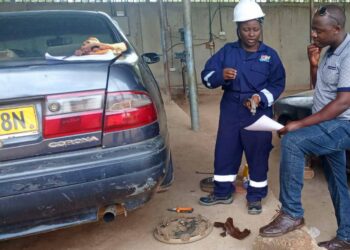
Additionally, beyond raising awareness, the government should create accessible platforms where communities can be educated and trained on clean energy technologies. This will help households, youth groups, and women’s associations gain the skills to properly operate, maintain, and even assemble these systems locally. Doing so can strengthen community ownership and reduce the risk of technology abandonment caused by minor faults or misuse. Training programs also have the potential to generate green jobs and support local livelihoods, especially among young people and women.
In conclusion, the government’s approval of discounted clean energy solutions is a commendable step towards an inclusive energy transition. However, these efforts must be supported by ongoing public awareness campaigns and community-level education and training. By empowering citizens with knowledge and practical skills, Uganda can improve livelihoods, protect the environment, and build a cleaner, healthier, and more sustainable energy future for everyone.
By Olive Atuhaire,
Research Associate
atuhaireolivia72.ao@gmail.com