














By Namuyanja Agatha Grace,
OPINION
“Agatha! The saucepans!” In our household, this wasn’t just a call to action, it was a high-stakes emergency drill. It did not matter if it was 1:00 pm or 1:00 am; as long as a drop of rain hit the roof, my mother transformed into a strategist in chief of hydrology. We would scramble out of bed, eyes half open, dragging our feet and getting every big basin, bucket and saucepan available into the yard. To my mother, allowing rainwater to run off the roof was not just a missed opportunity but rather watching money getting washed away. Looking back, she was onto something bigger than just saving a few shillings.
As a professional in the food and sustainability sector now, I have realized those midnight “sauce pan runs” were my first lessons in resource management and water chemistry. If you have ever rinsed your hands with rain water and felt that lingering, slippery sensation then you have experienced the beauty of soft water. Unlike underground water which passes through rocks and collects heavy metals like calcium and magnesium-making it hard, rainwater is naturally soft and easily lathers soap and rinses it away completely. Hard water strips the skin of its natural oils. On the other hand, rainwater leaves that slippery feeling after rinsing, which implies your skin’s natural oils haven’t been stripped away. It is truly the cheapest beauty secret in the tropics.
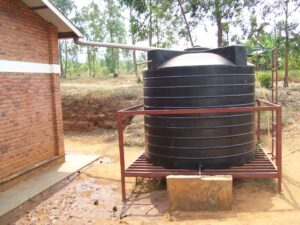
Living in the tropics, we are blessed with intense rainfall. When we harvest this water, we aren’t just filling our tanks; we are performing an act of environmental service and consciousness. The rain water captured at the roof level reduces the volume of “stormwater runoff” that turns our roads into rivers. Every litre we collect from the rain is a litre we don’t have to pump from the ground, allowing our precious aquifers to recharge. For a country like Uganda where many rely on the land, small-scale rainwater harvesting provides a lifeline for irrigation during the dry seasons, ensuring our gardens stay green without a hefty charge. At the end of the day, it comes back to my mother’s logic: “Rainwater gone is money wasted,” as it enables one to lower monthly utility bills, free up household income for better nutrition, education, and quality of life. Beyond the financial savings these systems liberate many women in our communities saving them from the harsh labor of dealing with hard water that does not lather easily or trekking long distances for water elsewhere.

Today, we no longer need to bolt out of bed at 1:00 am to rescue the falling “money.” With modern rainwater harvesting tanks and gutter systems, the collection happens silently while we sleep. The infrastructure does the work that our saucepans once did, but with far greater efficiency and volume. By investing in these sustainable solutions, we are doing more than just lowering our monthly bills. We are reclaiming our time and improving our standard of living. We are literally catching a better future right off our rooftops.
So, the next time you hear thunder in the distance, you don’t have to grab a bucket. You can simply turn over, enjoy the cool breeze, and listen to the sound of your tank filling up with liquid gold.