











By Leonard Kamugisha Akida
KYANKWANZI
Minister for Presidency Milly Babalanda has challenged district local government leaders to translate the Government’s 2026–2031 manifesto commitments into tangible improvements in the lives of Ugandans.
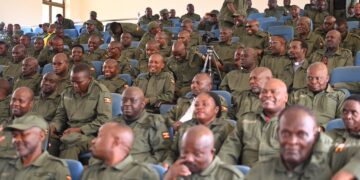
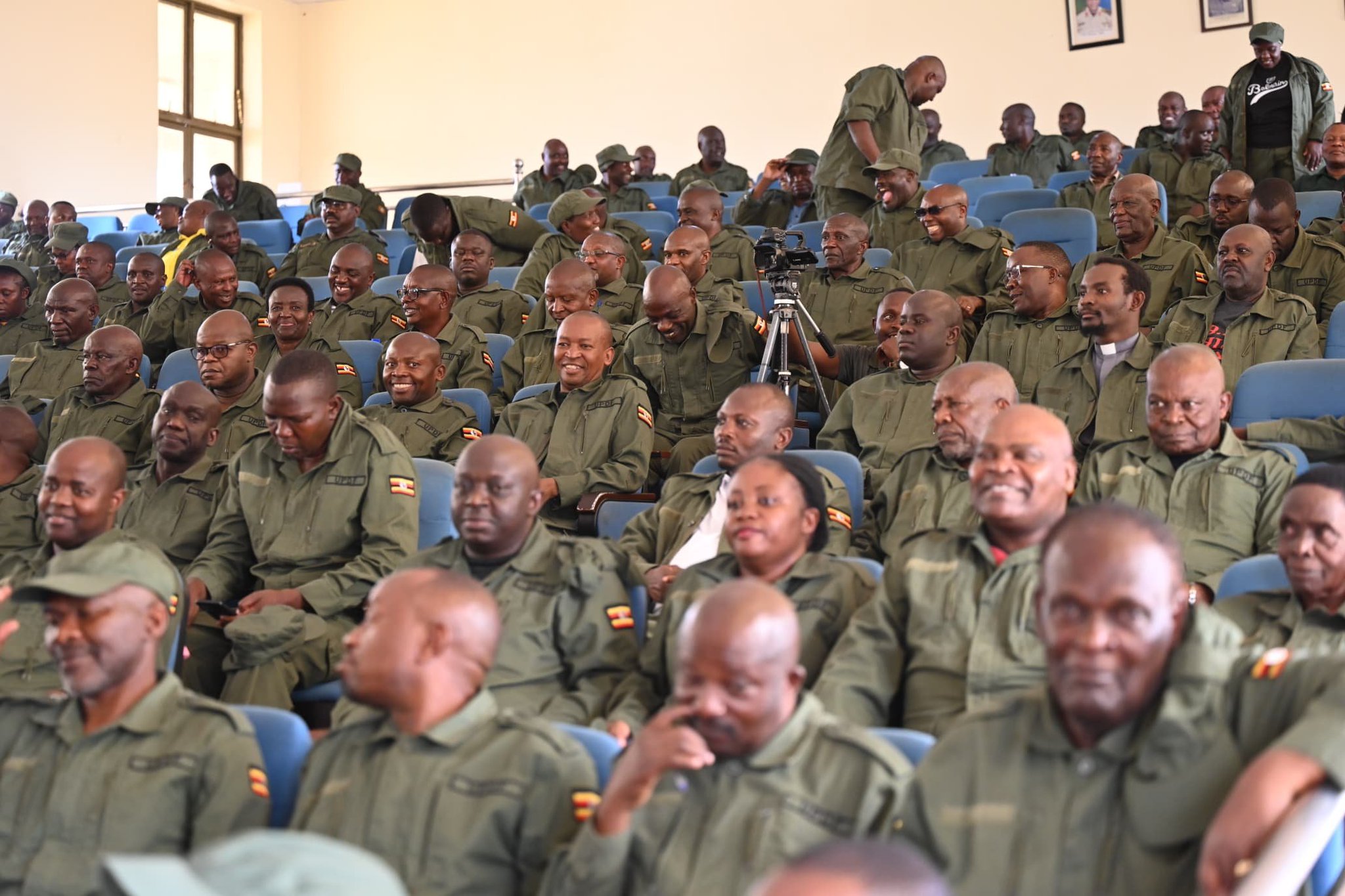
Babalanda made the remarks on Tuesday during the launch of a retreat for district local government leaders on the implementation of the NRM Manifesto at the National Leadership Institute (NALI), Kyankwanzi.
She said the success of the manifesto should not be measured by the document itself, but by its impact at district, city, municipal, community and household levels.
“A manifesto is not merely a political document. It is a commitment to the people,” Babalanda said.
She said the real test of the 2026–2031 manifesto would be reflected in better schools and health facilities, increased agricultural productivity and household incomes, improved roads, water and sanitation, expanded opportunities for youth and women, stronger social protection and more efficient public services.
According to Babalanda, leaders are a critical link between Government policies and service delivery, she urged them to align district development plans, budgets, annual work plans and performance targets with the National Development Plan IV (NDP IV) and the manifesto.
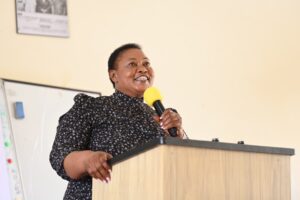
“Transformation does not take place in Kampala alone. It happens in districts. It happens in cities and municipalities. It happens in communities. And ultimately, it happens in households,” she said.
Additionally , the minister urged leaders should shift focus from activities and expenditure to measurable results and impact.
“The key question should be: What has changed in the lives of our people? That is the standard by which we must measure our performance,” she said.
The minister also called for closer cooperation between political and technical leaders, including Resident District Commissioners (RDCs), district chairpersons, mayors, NRM leaders, chief administrative officers (CAOs) and town clerks.
She cautioned leaders against unnecessary rivalry and conflict, saying citizens benefit when leaders work together to mobilise resources, supervise Government programmes and improve service delivery.
“Leadership must be judged by results, not by position,” she said.
The Director Manifesto Implementation Unit, Willis Bashasha tasked each district to have a practical action agenda detailing priority manifesto commitments, required resources, responsible officers, expected results and measurable performance indicators.
He also called for enhanced monitoring of government programs to address implementation challenges.
Babalanda urged the leaders to return to their respective districts with renewed commitment to integrity, patriotism, discipline and accountability.
Bashasha said the retreat is aimed at equipping district local government leaders with a coordinated approach to implementing the 2026–2031 Government manifesto at the local level.
During the retreat, leaders raised concerns about disparities in the salaries between technical and political staffs, claiming that it affects service delivery.
“How can a district chairman who gets Shs1.7 million, supervise a CAO who receives Shs12 million in salaries?” Questioned, Simon Mutebi, the Rukiga district, LCV chairperson.
Local leaders urged the government to review and streamline salaries for politicians, RDCs, and Mayors.
In response, minister Babalanda said the government will increase the salary of the RDCs in the next financial year, and pledged to work on the rest of the leaders.