













By Hellen Tusiime
KAMPALA
More than 3.3 million mosquito nets are to be distributed to households in Kampala and Wakiso this weekend as the Ministry of Health concludes the fifth and final phase of its nationwide malaria prevention campaign.
The three-day exercise, scheduled for November 20 to 22, will target approximately six million people, with Kampala allocated 1,168,700 nets and Wakiso receiving 2,216,300.
The distribution comes amid a high malaria burden, with Uganda registering more than 11.7 million cases and 2,342 deaths in 2025, according to the Ministry of Health. Children below five years accounted for 55% of the deaths.
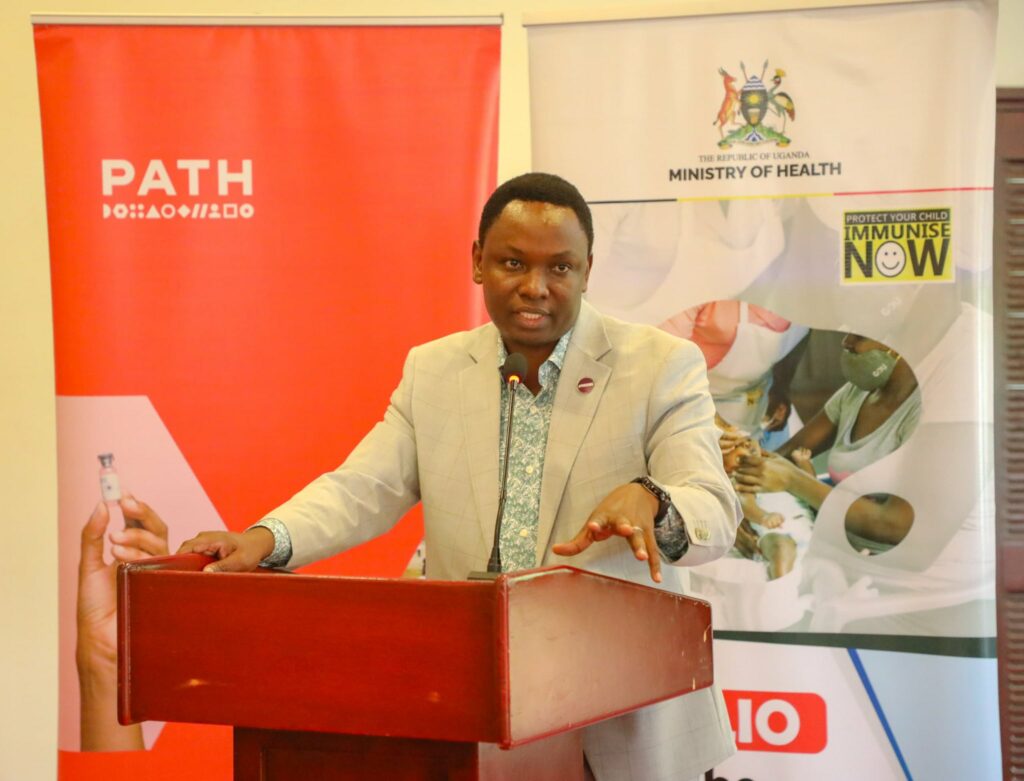
Speaking during a media briefing in Kampala on November 17 at media center, Dr Richard Kabanda of the Ministry of Health said the exercise was part of the government’s efforts to reduce malaria infections and deaths through increased access to preventive measures.
“Malaria still remains our biggest public health threat in the country,” Kabanda said.
He explained that Kampala and Wakiso had been scheduled for the final wave because of their complex urban settings, which require special arrangements to reach households in gated communities, informal settlements and other densely populated areas.
The ministry prioritised regions with a higher malaria burden before extending the campaign to the two urban areas.
“We are not saying that there is no malaria in Kampala and Wakiso. We are simply saying the burden of malaria in Kampala and Wakiso is lower compared to other sub-regions,” Kabanda said.
He added that many urban poor households in the two areas could not afford to purchase mosquito nets independently, making government intervention necessary.
The distribution has been organised into 32 operational units, comprising five administrative divisions in Kampala and 27 operational administrative units in Wakiso.
In Kampala, the exercise will cover Central, Rubaga, Kawempe, Makindye and Nakawa divisions.
In Wakiso, the units correspond to divisions, municipalities, town councils and sub-counties. The arrangement is intended to address the area’s different settlement patterns and administrative structures.
Village Health Teams (VHTs) will inform residents about the specific dates and locations for collecting the nets in their respective villages.
Kabanda urged political, administrative and technical leaders in the two areas, together with the Buganda Kingdom, to mobilise residents and help address misconceptions about mosquito nets.
He also warned against misuse of the nets, saying some communities had previously used them for fishing, gardening and fencing plants.
Residents were advised to hang newly received nets in the shade for 24 hours before putting them on their beds and to ensure that all household members sleep under them consistently.
“When mosquito nets are used properly, they break the malaria transmission by 50%, thus reducing morbidity and mortality by 25%,” Kabanda said.
He further urged people experiencing fever to seek medical attention promptly rather than treating themselves without testing.
He also called on residents to register their household members through VHTs and local council leaders to ensure they are included in the distribution exercise.
The fifth wave follows four earlier phases conducted since January, bringing the 2026 campaign to its final stage. The nationwide exercise is targeting 25.8 million nets across 130 districts and cities, with support from the Global Fund, the United States Government and the Government of Uganda.
Background
Uganda’s mosquito net distribution efforts date back several years, with the government and development partners progressively expanding access to insecticide-treated nets as part of malaria prevention.
According to the Ministry of Health’s historical campaign reports, the government began targeted mass distribution in 2010, focusing on pregnant women and children below five years.
In 2013/2014, Uganda moved to universal coverage, distributing more than 22 million long-lasting insecticidal nets to households across the country.
A second universal coverage campaign followed in 2017/2018, when approximately 26 million nets were distributed.
The third national mass distribution campaign was conducted in 2020/2021, during the COVID-19 pandemic, with approximately 27.8 million nets distributed.
The 2026 exercise is being implemented in five waves, with Kampala and Wakiso completing the final phase.