








HEALTH
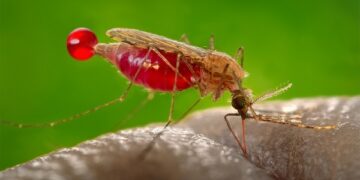
Africa is entering a decisive decade in the fight against malaria, and a new generation of scientists is taking the lead. With personal experiences of the disease, deep community ties, and a commitment to innovation, these young researchers and advocates are reshaping the continent’s response to one of its deadliest health challenges.
The WHO World Malaria Report 2025 paints a sobering picture: 282 million cases and 610,000 deaths in 2024, nearly 9 million more cases than the previous year. Meanwhile, the 2025 Goalkeepers Report warns that declining health funding could result in 12 million more child deaths by 2045. These figures underscore how fragile progress remains without sustained investment.
Krystal Birungi, an entomologist at the Uganda Virus Research Institute (UVRI), has dedicated nearly a decade to malaria prevention research with Target Malaria. A survivor of childhood malaria herself, Birungi’s advocacy extends beyond Uganda. She has spoken globally through the Global Fund Advocates Network, was named a Goalkeepers Champion in 2025, and selected as an Obama Foundation Leader for Africa.
“Science became a way to protect other children and families from the fear mine went through,” she says, reflecting on her childhood experiences.
Kenyan doctor Annette Onyango combines clinical practice with continental advocacy. As Secretary of the African Leaders Malaria Alliance (ALMA) Youth Advisory Council, she champions youth-led initiatives to eliminate malaria and Neglected Tropical Diseases by 2030.
“The loss of a child or pregnant woman to a preventable disease is deeply distressing,” she notes. “Young people can serve as powerful agents of change when meaningfully engaged.”
At UVRI in Entebbe, Angella Nakamaanya is building her career in mosquito biology while pursuing a degree in Zoology. Having suffered frequent malaria infections as a child, she channels her lived experience into research that prioritizes community relevance.
“My early illness sparked my interest in understanding malaria vectors, and it continues to fuel my passion for research,” she explains.
From seasoned advocates like Birungi to rising voices like Nakamaanya, Africa’s malaria scientists are not waiting for change, they are defining it. Their work bridges laboratories and communities, strengthens policy, and places African leadership at the center of a malaria-free future.
As 2026 unfolds, their message is clear: the fight against malaria will be won not only with science, but with African-led determination, innovation, and advocacy.