








By Leonard Kamugisha Akida,
KAMPALA
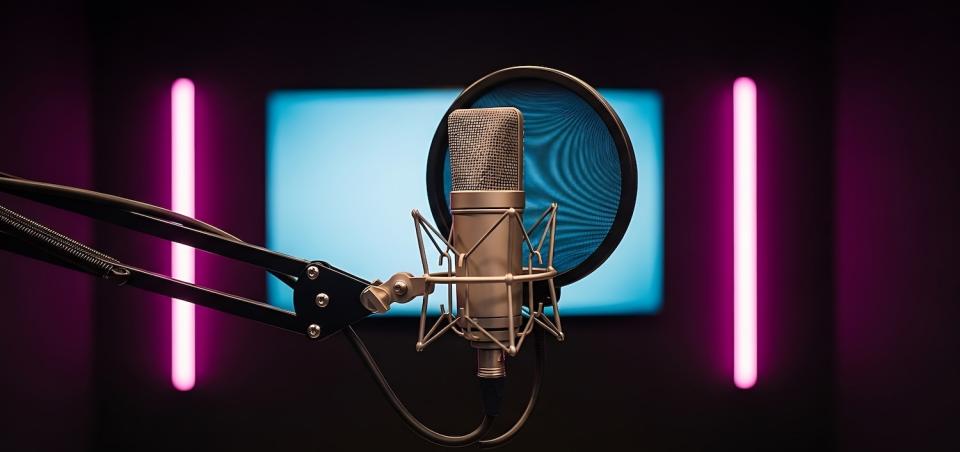
Government is set to review and possibly reduce the number of licensed radio and television stations in Uganda, ICT and National Guidance Minister Dr Chris Baryomunsi has revealed.
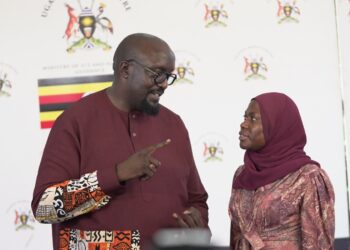
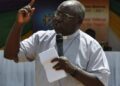
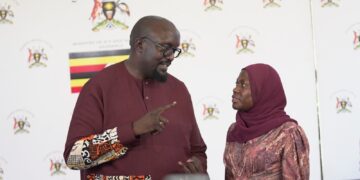
Speaking at the handover ceremony of the new Executive Director of the Uganda Media Centre (UMC) in Kampala, Baryomunsi said Cabinet had directed his ministry to reassess the rapid liberalisation of the media space, particularly the proliferation of radio stations.
“As we discussed in Cabinet, we seem to have liberalised the media space too fast, especially the radios,” he said. “I have an instruction from Cabinet to review how many radio stations have been licensed, with a view, if necessary, of downsizing.”
He added: “That may not be good news to some of you.”
As at 31 January , 2026, Uganda boats of 282 Radio stations and 54 TV stations. The radio stations are spread as follows: 95 in Western Uganda, 85 in Central (Buganda), 72 in Northern Uganda, and 52 in Eastern Uganda. While there are 282 stations noted, many were reported to be operating on expired or pending licenses, with only a fraction meeting the strict new requirements. A report from October 2025 indicated that over 220 radio stations were facing potential closure or enforcement action by the Uganda Communications Commission (UCC) over failure to renew their broadcasting licenses.
Baryomunsi said the review will be conducted in collaboration with the Uganda Communications Commission (UCC), focusing on compliance with operational and professional standards.
“We are coming up with criteria to determine which radio stations are not conforming to the standards that government expects,” he said.
The minister further cited concerns over poor labour practices in some media houses, noting that several radio stations are unable to pay their employees, including journalists.
“There are people who have started radio stations but are unable to pay their workers. This has promoted lack of professionalism, where journalists depend on news sources for facilitation,” he said.
He warned that such practices compromise journalistic integrity.
“If I have paid you as a source of news, how professional will you be?” he asked.
Despite the planned reforms, Baryomunsi commended journalists for their role in informing the public and urged them to uphold professional standards.
“We appreciate the good work that you do as the media. We request you to remain objective, professional and ethical in the way you do your work,” he said.
He acknowledged growing concerns about declining standards in parts of the media industry, linking them to financial constraints and weak regulation