











By Ainembabazi Shallon,
OPINION
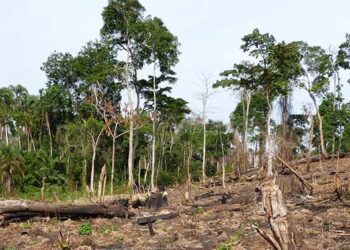
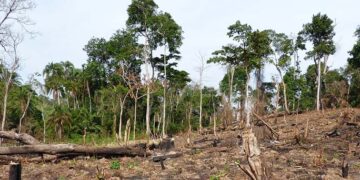
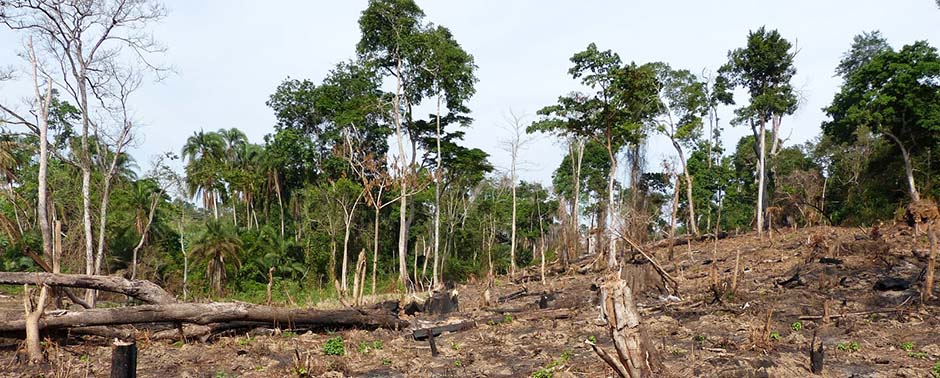
In Bugoma Forest located in Kikuube Hoima district, the steady cutting down of trees is doing more than clearing land it is accelerating environmental degradation and deepening the climate crisis. What may seem like a local issue is in reality part of a much bigger problem with serious consequences for people, nature, and the future.
Forests like Bugoma play a critical role in keeping the environment stable. Trees absorb carbon dioxide one of the main gases responsible for climate change and when these trees are cut down, not only is this carbon storage lost, but also the carbon already stored is released back into the atmosphere. This increases greenhouse gas levels and contributes directly to global warming.
Uganda is already losing about 122,000 hectares of forest every year and Bugoma forest is among the areas under pressure. This rapid deforestation is weakening the country’s ability to fight climate change. Fewer trees mean hotter temperatures, less reliable rainfall, and more extreme weather conditions.
Bugoma Forest also helps regulate local weather patterns. It supports rainfall formation and maintains moisture in the soil. As the forest is cleared, communities begin to experience longer dry spells, unpredictable rains, and reduced soil fertility. For farmers who depend on rain fed agriculture this leads to lower yields and growing food insecurity.
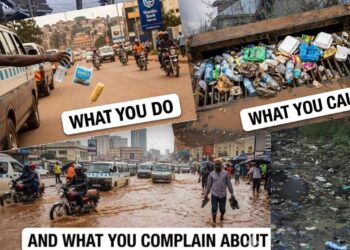
Environmental degradation in Bugoma is also seen in soil erosion and loss of biodiversity. Tree roots help hold soil together but once they are removed heavy rains wash away fertile topsoil. This leaves the land less productive and increases the risk of flooding. At the same time, wildlife loses its habitat, pushing animals like chimpanzees into human settlements in search of food.
The loss of biodiversity is not just about animals disappearing it weakens the entire ecosystem. Forests are complex systems where plants, animals, and microorganisms depend on each other. When one part is destroyed the whole system becomes unstable making it harder for nature to recover.
The climate crisis is not something far away it is already being felt in communities around Bugoma. Farmers are struggling with changing seasons, reduced harvests, and new risks. Women and children, who are most dependent on natural resources for survival, are carrying the heaviest burden.
If the destruction of Bugoma continues the long-term consequences will be severe especially to the surrounding communities. Increased temperatures, prolonged droughts, and food shortages will become more common. What is being lost is not just a forest but a natural system that supports life and protects communities from climate shocks.
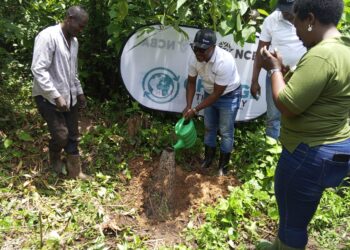
The solution is clear. Protecting Bugoma Forest must be a priority. This means enforcing environmental laws, stopping illegal deforestation and investing in restoration efforts. Replanting trees, promoting sustainable land use, and supporting communities with alternative livelihoods are key steps toward reversing the damage.
Bugoma is a natural shield against climate change. Cutting it down removes that protection and exposes communities to greater risks. If Uganda is serious about addressing environmental degradation and the climate crisis then saving Bugoma Forest must be part of the solution.
#Savebugomaforest