











OPINION
When Mawokota North MP Yusuf Nsibambi lost his seat, he proudly listed his achievements: solar street lights in Buwama, garbage trucks for towns, road maintenance equipment, bean seedlings worth Shs 85 million, electricity extensions, scholarships, and even transformers. Admirable as these may sound, they expose a deeper paradox in Ugandan politics MPs are celebrated for projects that are not constitutionally their mandate.
The Constitutional Role of MPs
Uganda’s Constitution entrusts Members of Parliament with four solemn duties:
Legislation (Article 79): Debating and passing laws.
Representation: Amplifying the voices of constituents.
Budget Approval: Scrutinizing and passing the national budget,
Oversight: Holding government accountable and safeguarding public funds.
Nowhere does the Constitution say MPs should build roads, pay school fees, or buy boda-bodas. Those are responsibilities of ministries, local councils, and service agencies. Yet voters demand handouts, and MPs deliver them, creating a cycle of misplaced expectations.
The Comedy of Errors
The system has become transactional. A voter asks an MP for medicine for a sick cow; the MP obliges, hoping for loyalty. Come election day, the same voter chooses another candidate who offered sugar every month. MPs grow bitter, voters grow greedy, and Parliament’s true work gathers dust.
The Bigger Problem
This distortion of roles weakens democracy: Voters expect MPs to act as personal donors, MPs realize their “investments” don’t guarantee votes, Parliament neglects its constitutional duties, undermining governance.
Uganda must de-commercialize politics. MPs should be judged not by boreholes dug or scholarships funded, but by how effectively they legislate, represent, budget, and oversee. Only then will Parliament cease to be a marketplace and reclaim its role as a legislative chamber.
Samuel Bakutana calls for a shift in mindset: “I long for the day when Parliament will be Parliament, for God and my Country.” Until then, MPs will continue to lose elections over bean seedlings and transformers, instead of being remembered for fighting corruption, passing laws, and defending the people’s voice.
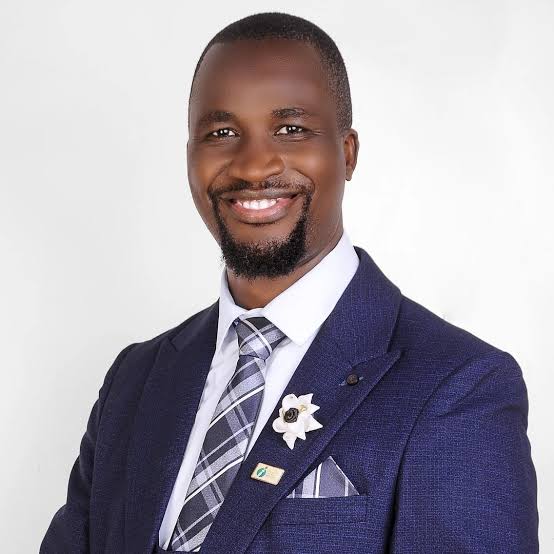
By Samuel A. Bakutana, CEO Inspired Leaders International, and author of Honourable Leadership.