













By Doreen Asasira,
OPINION
Uganda stands at a defining moment in its development journey. The discovery of oil in the Albertine Graben has been celebrated as a gateway to economic transformation, promising revenue, infrastructure, and jobs. Yet beneath this promise lies a deeper and more urgent question, what is the true cost of oil development to communities, ecosystems, and the climate future of the nation? As the Tilenga oil project advances across the districts of Buliisa, Hoima, and Kikuube, it is increasingly clear that Uganda must confront the difficult balance between resource extraction, climate responsibility, and the rights of local communities.
Recent findings from the Social Performance Advisory report on the Tilenga Project’s resettlement program reveal a complex story of land acquisition, displacement, and livelihood disruption that should provoke serious national reflection about the direction of Uganda’s natural resource governance.
The Tilenga project, operated by TotalEnergies in western Uganda, forms a major component of the country’s oil development strategy. It involves the drilling of hundreds of wells across six oil fields and the construction of extensive infrastructure including pipelines, roads, and processing facilities. According to the report, the project required the acquisition of approximately 2,108 acres of land across Buliisa, Hoima, and Kikuube districts. This land acquisition directly affected 4,954 people whose farms, homes, and livelihoods were tied to the land. These numbers are not merely statistics. They represent farmers who once relied on fertile land to grow food, families whose livelihoods depended on small-scale agriculture and grazing, and communities whose social and cultural ties to land stretch back generations. When land disappears beneath pipelines, well pads, and industrial facilities, it is not only a physical asset that is lost. It is security, identity, and resilience.
The official report highlights that compensation agreements have been signed by most project-affected persons and that replacement houses and livelihood restoration programs have been implemented. On paper, these measures appear to comply with international standards such as the International Finance Corporation’s Performance Standard 5 on land acquisition and involuntary resettlement. However, compliance with procedural standards should not automatically be mistaken for justice or sustainability.
Oil development projects often measure success in terms of completed compensation payments and closed grievances. In the Tilenga case, the project records indicate that over 98 percent of grievances have been resolved through the established complaint mechanisms. But statistics do not always capture the lived realities of displaced communities. Many grievances relate to perceptions of unfair land valuation, disagreements over compensation, or unresolved land disputes that have been escalated to government authorities
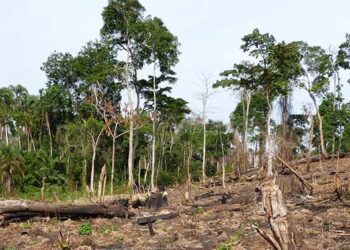
Beyond the immediate social impacts, the Tilenga project raises broader environmental and climate concerns. The Albertine Graben is one of Africa’s most biodiverse regions, home to fragile ecosystems, wildlife habitats, wetlands, and Lake Albert itself. Expanding oil infrastructure in such a sensitive landscape carries long-term ecological risks, from habitat fragmentation and pollution to increased pressure on water resources.
At the same time, the world is entering a decisive decade in the fight against climate change. Scientists and international energy agencies increasingly warn that new fossil fuel developments are incompatible with global climate targets aimed at limiting warming to 1.5°C. For Uganda, this raises an uncomfortable but necessary question. should the country anchor its economic future on oil at the very moment when the world is beginning to transition away from fossil fuels?
Proponents of oil development argue that Uganda has the right to exploit its natural resources for economic growth and poverty reduction. That argument is valid. Resource rich countries deserve the opportunity to benefit from their natural wealth. But the real issue is not whether development should happen it is how it happens, who benefits, and at what environmental cost.
Uganda’s oil sector must therefore be held to the highest standards of transparency, environmental protection, and community accountability. Development projects should not merely compensate communities after displacement; they should prioritize minimizing displacement in the first place and ensuring long-term livelihood security. Rural families should not be left vulnerable once project operations shift or when oil production eventually declines.
Equally important is the need for stronger environmental safeguards. The Albertine region’s ecosystems provide critical services from biodiversity conservation to water regulation that cannot easily be replaced. Damage to these natural systems could undermine agriculture, fisheries, and climate resilience for generations.
Civil society, policymakers, and citizens must also push for a broader conversation about Uganda’s energy future. Oil revenues, if realized, should be strategically invested in sustainable sectors such as renewable energy, climate-resilient agriculture, environmental restoration, and green infrastructure. Without such foresight, the country risks falling into the familiar trap of resource dependency while missing the opportunities of a low-carbon economy.
The Tilenga project may soon approach the closure of its resettlement program, as recommended in the advisory report. But closing a resettlement file does not close the moral and environmental questions surrounding Uganda’s oil development path. The decisions made today in the Albertine Graben will shape not only the livelihoods of thousands of affected families but also the ecological and climate legacy that Uganda leaves for future generations.
Oil may promise prosperity, but prosperity built on fragile ecosystems and vulnerable communities is ultimately unstable. If Uganda truly seeks sustainable development, it must ensure that natural resource extraction does not come at the expense of environmental integrity, climate responsibility, and the dignity of its people.
The real measure of progress will not be how many barrels of oil Uganda produces but whether the country can pursue development without sacrificing the land, communities, and climate systems that sustain life itself.
The writer is a Uganda environmentalist