












OPINION
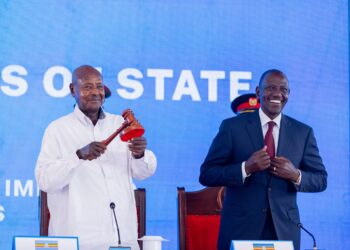
During the opening of the 9th Uganda Water and Environment Week (23–27 March 2026), the Rt. Hon. Prime Minister of Uganda, Robinah Nabbanja, emphasized that this year’s theme centers on four sub-pillars, including leveraging the power and capacity of women, youth, and children in delivering water and environment services. The message was clear: Uganda must empower its most vulnerable groups to strengthen and sustain water and environmental services.
Yet, this celebration comes at a time when many communities affected by the East African Crude Oil Pipeline (EACOP) particularly in the Bunyoro sub-region and Greater Masaka are struggling to access clean water for domestic use. Women, youth and children, who bear the daily burden of fetching water, are facing severe challenges.
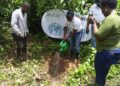
Floods from EACOP trenches, dug to facilitate pipeline construction, have contaminated nearby water sources. Worse still, replacement wells constructed by the company in places like Kijumbe village, Hoima district are poorly built, leaving residents with cracked, muddy, and unsafe water. The result is a growing crisis of sanitation and hygiene, with families exposed to waterborne diseases.
This shortage of clean water is not just an inconvenience, it is a public health emergency. If left unaddressed, the affected populations risk outbreaks of preventable illnesses linked to contaminated water.
The government must go beyond symbolic celebrations of Water and Environment Week. Concrete action is urgently needed:
Direct EACOP to protect community water points from trench floods and replace substandard wells with safe, durable sources.
Empower women as community water managers, ensuring they have the skills and authority to safeguard local water systems.
Engage youth and children in environmental clubs and tree-planting initiatives, strengthening grassroots efforts to protect water points and ecosystems.
These measures would not only provide immediate relief but also build resilience, ensuring that vulnerable communities benefit sustainably from Uganda’s development projects.
Clean water is not a privilege, it is a right For the families of Bunyoro and Greater Masaka, the promise of Uganda’s water and environment agenda must be made real, and it must be made now.
Kato Paul – Research Associate and Environmental Activist
Email: katop.adyeeri@gmail.com