













By Leonard Kamugisha Akida,
KAMPALA
The Uganda Federation of Movie Industry (UFMI) has assured creatives that the ongoing reforms to the country’s copyright law will not result in local works being sidelined by broadcasters or public entertainment platforms.
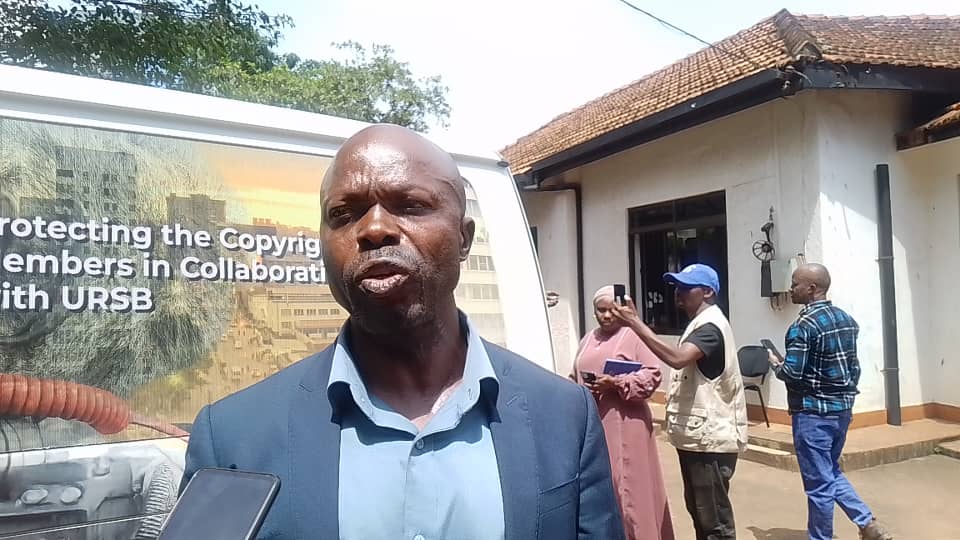
UFMI Chief Executive Officer, Robert Womai said radio and television stations, as well as public entertainment venues, will continue using Ugandan content despite new obligations to pay for copyrighted works once the Copyright and Neighbouring Rights (Amendment) Bill, 2025 is enacted.
“Some users of copyrighted content will refuse to use it. That’s not true, the new copyright law is to protect, not punish creatives,” Womai told Parrots Media. “The existing copyright legal framework safeguards creative content from unauthorised use, theft or exploitation across broadcasting and entertainment venues.”

He added that fears among musicians and filmmakers that users might opt for foreign content were unfounded.
Copyrights and royalties can be used as collateral to access the loans, said minister Mutuuzo.
Uganda is updating its copyright regime to modernise protections for creators, domesticate international treaties such as the Beijing and Marrakesh treaties, regulate Collective Rights Management Organisations (CRMOs) and enhance royalty distribution, with proposals targeting at least 60% returns for artists. The reforms also seek to increase penalties for infringement.
Recent regulatory changes under Statutory Instrument No. 73 of 2025 have already streamlined copyright registration by scrapping the gazette requirement, making the process faster and cheaper. Objections to registration will now be lodged after, rather than before, registration.
The proposed law requires broadcasters and public venues to pay musicians and other rights holders for copyrighted works played on air or at public events. This sparked concern within the creative sector that content users might shun local works to avoid costs.
However, Womai said Uganda’s copyright laws align with international standards under the World Intellectual Property Organization (WIPO), noting that foreign works are also protected by similar regimes.
“There is no way users will opt for foreign movies and abandon local movies because the standards apply across the board,” he said.
His remarks come as government moves to financially support the sector. On Wednesday, government launched a Shs28 billion Creatives Art Fund aimed at strengthening creatives countrywide.
Gender, Labour and Social Development minister Peace Regis Mutuuzo said Shs9 billion has already been disbursed in the first phase to approved and verified savings and credit cooperative organisations (SACCOs). She said creatives will access the funds through selected SACCOs at an interest rate of 5% per annum. Copyrights and royalties can be used as collateral to access the loans.
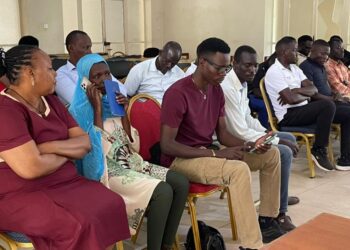
Womai said UFMI has so far received more than Shs500 million to sensitise the public on copyright and intellectual property protection. He said the federation has engaged creators, local governments and industry stakeholders in Western Uganda, West Nile and the Central region, with plans to extend the outreach to northern Uganda, in Gulu City.

He urged artists to register their works and fully utilise intellectual property protection mechanisms to safeguard their rights and earnings.
Legendary musician Daniel Kazibwe alias Raga Dee who recently became a victim of copyright infringement when a fellow musician, Mikie Wine allegedly reproduced his song – “Oyagala Cash”, without prior consent, welcomed the reforms, saying a strengthened copyright system would not only protect individual intellectual property (IP) but also boost Uganda’s creative economy. He called on creatives to register their IP, saying the law would be beneficial to artists.
About UFMI
UFMI is the national umbrella body for Uganda’s film industry, uniting filmmakers, producers, actors and writers. Established in 2006 and registered as an NGO in 2008, it operates as a member-based copyright management organisation (CMO), licensing works, collecting royalties and distributing them to rights holders in line with the law.