










By Leonard Kamugisha Akida
MUKONO
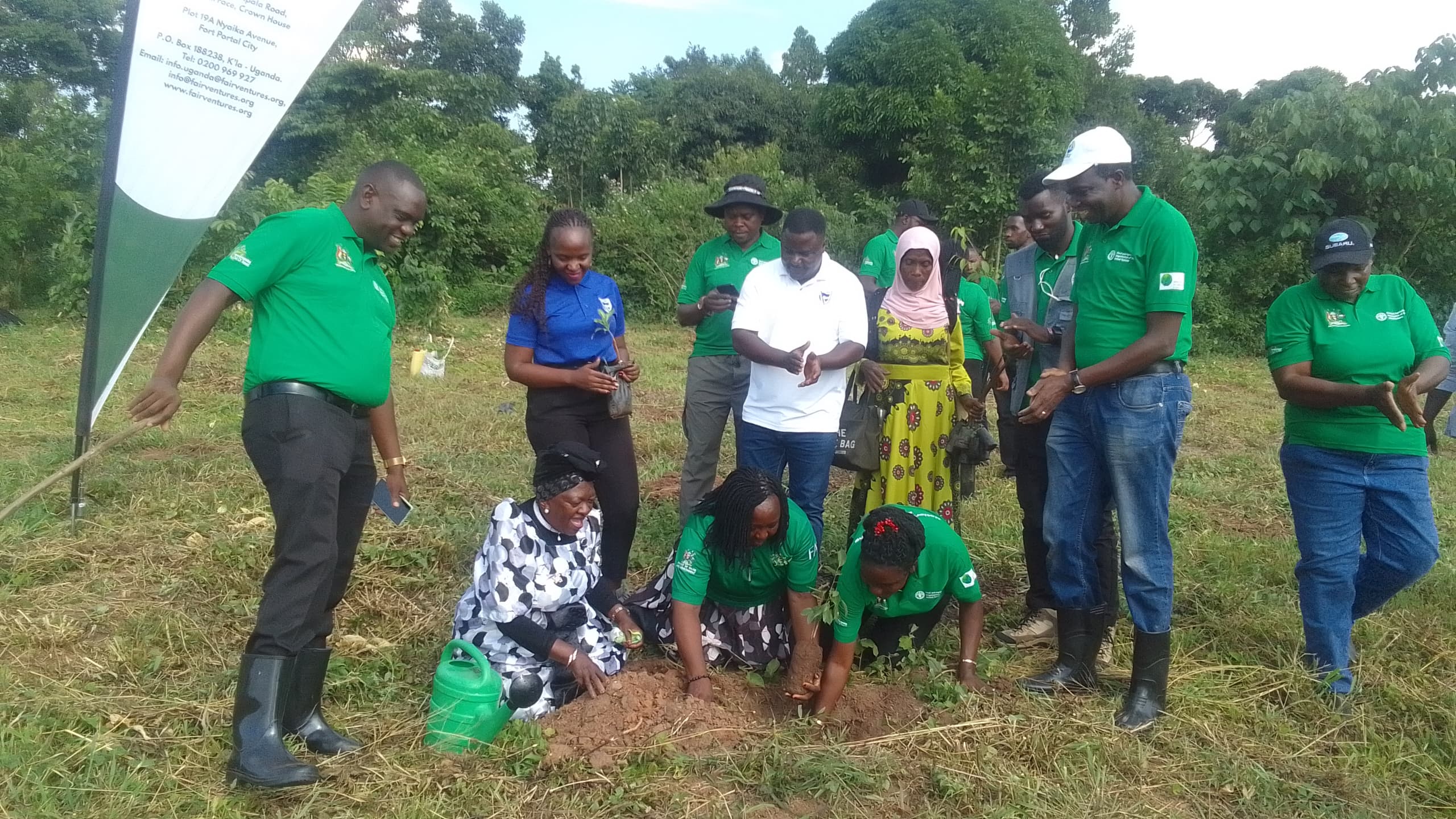
Uganda has planted 41,107 indigenous trees under the Roots Uganda campaign as part of efforts to restore forest cover, conserve endangered species and combat climate change.
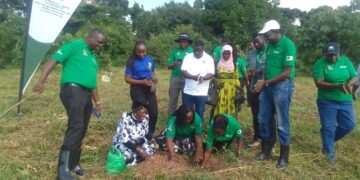
The trees were planted on Thursday at the National Forestry Resources Research Institute (NaFORRI) in Mukono district to mark the fifth National Tree Planting Day, held under the theme: Indigenous Trees; Reclaiming our Heritage, Powering Green Economies.
The campaign, organised by NaFORRI and partners, seeks to promote indigenous tree species as a means of restoring Uganda’s natural heritage while supporting livelihoods and green economies.
Moses Egaro, the International Union for Conservation of Nature (IUCN) country representative, said the organisation was supporting the campaign to restore nature and protect the country’s heritage for future generations.
Egaro said he planted Afzelia, an endangered tree species whose timber is highly sought after on the international market.
He said efforts to restore the species were important because of its ecological value and status as one of Uganda’s iconic trees.
“Join us together with the government of Uganda to restore Uganda,” Egaro said.
NEMA executive director Dr. Barirega Akankwatsa said Uganda was beginning to register improvements in forest cover after years of decline.
He said forest cover had increased from 9% in 2015 to 13%, but more effort was needed to achieve the national target of 24% by 2040.
“We have begun to see positive trends in forest cover for the first time since 1900. Forest cover has now improved from 9% in 2015 to now 13%. More effort is needed to attain the 2040 target of 24%. NEMA remains fully committed to this cause,” Akankwtsa said.
He urged Ugandans to make tree planting a lifestyle and use social media platforms to promote conservation initiatives and encourage more people to participate.
The representative of Food and Agriculture Organisation (FAO) Uganda also commended the campaign, urging participants to publicise tree-planting activities to inspire wider community involvement.
The Executive Director of Environmental Alert Jacinta Nekesa said tree planting is critical to ensuring sustainable development and empowering economies. She appealed to the government and other stakeholders to plant at least 40 million trees every year to restore the country’s lost forest cover.
“If each of us takes off time and plants a tree on a day like this one, we shall be able to achieve those targets because we want to restore our forestry cover up to 24% by 2030,” Nekesa said.
Representing the guest of honour, Gen Kahinda Otafiire, Dr David Okurut, the commissioner in the Department of Wetlands Management, urged Ugandans to plant trees at household level to sustain the recovery of forest cover.
Steven Kafeero, the LC1 chairperson of Namirembe village, called on residents to protect planted trees and ensure they are watered and maintained to guarantee their survival.
The commemoration is part of Uganda’s efforts to plant 40 million trees annually and increase forest cover, which stood at 13% in 2025.