









By Atuhaire Olive,
OPINION
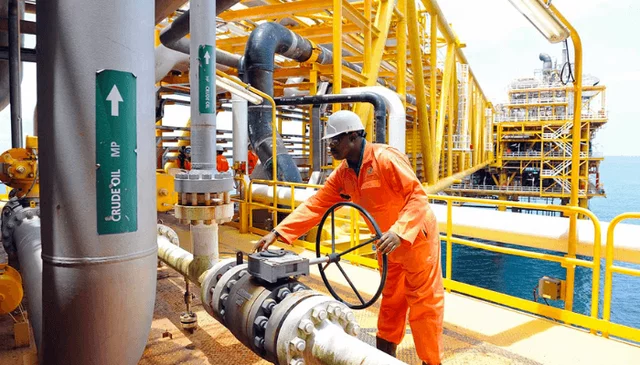
Last week, I visited Buliisa district, one of Uganda’s key oil-hosting areas where i witnessed firsthand the complex realities facing communities living near major sites due to oil activities. While Uganda’s oil and gas sector particularly the East African Crude Oil Pipeline (EACOP), has been widely promoted as a driver of economic transformation, its impacts on local communities raise critical questions about whether development is truly inclusive.
In June 2025, the government of Uganda launched the country’s National Development Plan (NDP) IV with the goal of achieving higher household incomes, full monetization of the economy, and employment for sustainable socio-economic transformation. The goal is supposed to be pursued through promoting sustainable industrialization for inclusive growth, employment, and wealth creation.
However, despite these ambitious development plans, the experience of the oil host communities shows a gap between policy promises and lived realities. Oil projects such as EACOP, have caused serious problems for local people, including food insecurity, unpredictable weather patterns, teenager pregnancies and school dropouts, unfair and delayed compensations, domestic violence, human-wildlife conflict such as elephant invasions and destruction of crops and properties, deforestation among others. Other challenges reported by communities include ineffective grievance handling mechanisms and cultural disruptions
One of the most significant challenges is compulsory land acquisition and resettlement. These processes have severely affected people who depend on land and natural resources for survival. When land was taken for the oil projects, many affected persons struggled to restore their livelihoods. Studies by Africa Institute for Energy Governance (AFIEGO) reveal that some project affected persons failed to replace their lost land, while others acquired less productive or relocated to areas lacking essential natural resources.
For example, fishing communities displaced from lakeshores also found themselves resettled in areas without access to water bodies, undermining their primary sources of income. Such transitions deepen poverty and vulnerability rather than alleviating it
Notably, the EACOP project spans an approximately 1,443km from Western Uganda to the port of Tanga, crossing ten districts including Hoima, and Rakai. In Uganda alone, land for the project was acquired from 3,648 households affecting an estimated 24,744 people. However, not all affected households have received compensations. Some families who didn’t receive compensations resorted to filing court cases in 2024, seeking fair and adequate compensation and up to date, they are still awaiting justice which is unfortunate.
In conclusion, Uganda’s oil and gas resources hold significant potential to transform the economy and improve livelihoods. However, this promise can only be realized if development is truly inclusive. The experiences of communities in Buliisa and other oil host districts highlight the urgent need to align oil sector practices with national development goals. If Uganda is to achieve the vision of NDP 1V and genuinely “leave no one behind” the rights, livelihoods and well-being of project affected persons must be placed at the center of oil development. only then can the country balance economic progress with social justice and sustainability.
The writer is a Ugandan Environmental Defender