












By Doreen Asasira,
NATIONAL
As Uganda marks the 9th Uganda Water and Environment Week from March 23–27, 2026, the national conversation has once again returned to a truth we can no longer afford to ignore, our economic future is inseparable from the health of our environment and water resources. This year’s theme “Water and Environment for an Inclusive and Prosperous Uganda” is not just a slogan. It is a warning, a responsibility, and an opportunity.
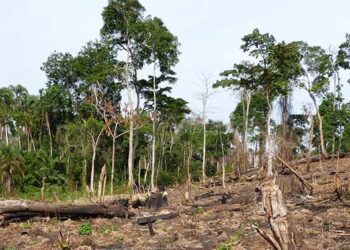
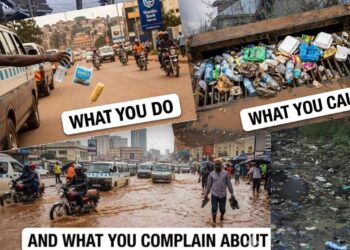
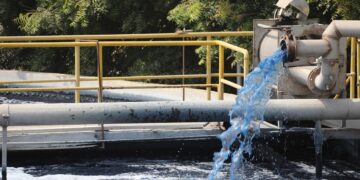
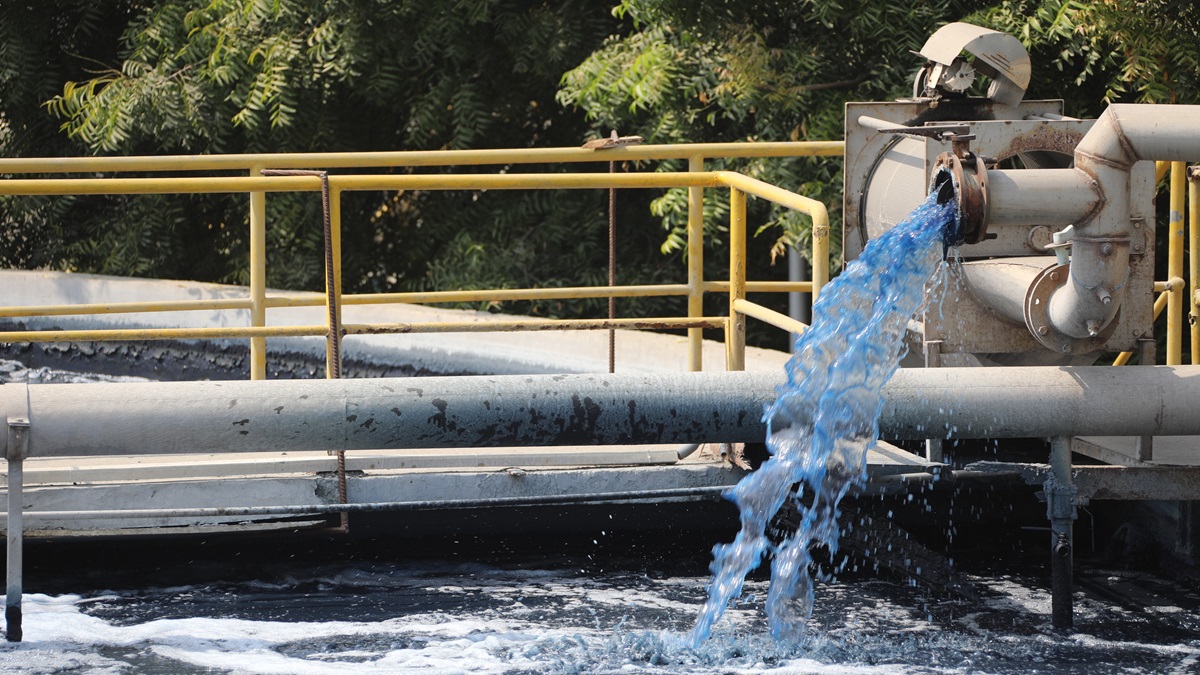
Uganda’s development ambitions are rising driven by infrastructure expansion, industrialization, and the exploitation of natural resources. But beneath this progress lies a growing crisis. Environmental degradation is accelerating, wetlands are disappearing under the pressure of real estate and agriculture, forest cover continues to shrink due to charcoal burning and illegal logging, water sources are increasingly polluted by industrial discharge and poor waste management. These are not isolated challenges but rather systemic threats to livelihoods, public health, and long-term economic stability.
Managing environmental degradation must therefore be treated as a national priority, not an afterthought. The cost of inaction is already visible. Communities that once relied on wetlands for water filtration and flood control are now facing frequent flooding and water scarcity. Farmers are grappling with declining soil fertility and unpredictable seasons. Urban areas are choking under poor drainage and pollution. Environmental neglect is quietly but steadily undermining Uganda’s productivity and resilience.
Climate change is intensifying these vulnerabilities. Across the country, prolonged droughts and erratic rainfall are disrupting agriculture the backbone of Uganda’s economy. Floods are destroying infrastructure and displacing communities. The poorest and most marginalized Ugandans are bearing the heaviest burden, despite contributing the least to the problem. Building climate resilience is no longer optional; it is essential for survival and growth.
However, resilience cannot be achieved through policy statements alone. It requires deliberate investment in climate-smart agriculture, restoration of degraded ecosystems, protection of watersheds, and strengthening early warning systems. It also demands that climate considerations be integrated into every sector from energy and transport to urban planning and industry. Uganda must shift from reactive responses to proactive planning.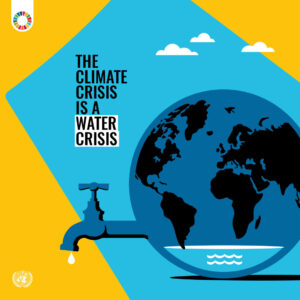
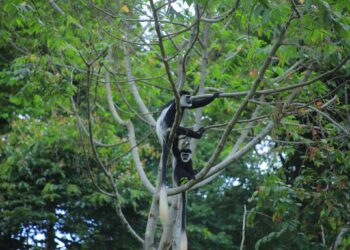
At the same time, Uganda’s natural resources present a powerful opportunity for inclusive economic development if managed wisely. Water, forests, wetlands, and biodiversity are not just environmental assets; they are economic capital. They support agriculture, fisheries, tourism, and energy production. But their value is often underestimated or exploited unsustainably.
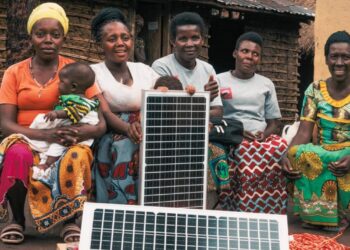
A new approach is needed one that prioritizes sustainable use, value addition, and equitable benefit-sharing. Green jobs, eco-tourism, renewable energy, and sustainable agriculture can drive growth while preserving the environment. However, this will only be possible if governance systems are strengthened and communities are meaningfully involved.
Inclusion is central to this agenda. Too often, decisions about natural resource management are made without the voices of those most affected local communities, women, and youth. Yet these groups are the frontline stewards of the environment. Empowering them through awareness, capacity building, and access to resources is not just fair; it is effective.
Equally critical is enforcement. Uganda has a vigorous legal and policy framework for environmental protection, but implementation remains weak. Encroachment on wetlands, illegal logging, and pollution persist with limited accountability. Without strong enforcement and political will, even the best policies will fail.
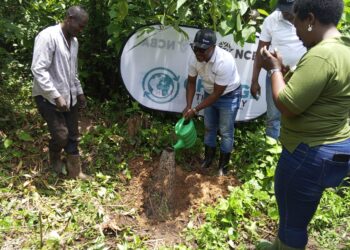
As stakeholders gather this week under the leadership of the Ministry of Water and Environment, the focus must shift from dialogue to action. Commitments must be backed by resources, timelines, and accountability mechanisms. Restoration of degraded ecosystems, protection of critical water sources, and investment in climate resilience must move beyond rhetoric.
Uganda is at a critical turning point. The path to prosperity cannot be built on environmental destruction. It must be grounded in sustainability, inclusion, and resilience. Protecting water and the environment is not a barrier to development it is the very foundation of it.
If this year’s Water and Environment Week is to have lasting impact, it must inspire a national shift in mindset and action. Government, private sector, civil society, and citizens all have a role to play. The question is no longer whether we can afford to protect our environment. It is whether we can afford not to. Uganda’s prosperity depends on the answer.
The author is a Ugandan environmentalist