










By Arajabu Wampula,
MBALE
Officials from the Uganda National Bureau of Standards (UNBS) have asked the government to construct more laboratories across the country to strengthen quality assurance and ease access to testing services.
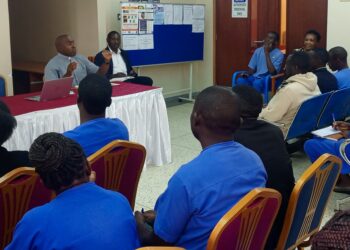
Speaking during a media training workshop for journalists in Mbale on March 4, UNBS Senior Public Relations Officer Victoria Namutebi Wamala said additional laboratories would help the bureau decentralise services and make them accessible to traders and manufacturers outside major cities.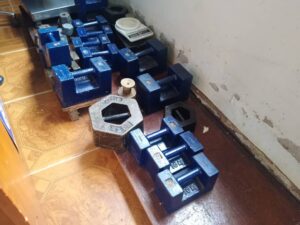
Currently, most testing services are concentrated in Kampala and regional laboratories in Mbale, Gulu and Mbarara, forcing many businesses to travel long distances to access them.
“UNBS’s goal is to support the economy in achieving Vision 2040, which aims to grow Uganda’s GDP from about $50 billion to $500 billion,” Namutebi said. “That is why the bureau has shifted its approach from enforcement to enablement, helping businesses understand standards and how to comply.”
UNBS was established in 1989 under the UNBS Act to enhance the competitiveness of local industries, promote fair trade and protect consumers from substandard goods. The bureau provides services including certification, imports inspection, laboratory testing, calibration, standards development and market surveillance.
The call for more laboratories follows the success of a $4.5 million decentralisation project funded by the Government of Denmark through TradeMark Africa. The project supported the construction of laboratories in Gulu and Mbarara.
The facilities were launched by the Minister of Trade, Industry and Cooperatives, Francis Mwebesa, on September 29, 2022, following the earlier establishment of the Mbale laboratory.
According to Namutebi, the initiative was aimed at bringing testing services closer to traders and manufacturers, but additional investment is still required to expand coverage.
Pius Onyala, a laboratory analyst at the UNBS Mbale branch, said the bureau has recently removed several harmful products from the market, including certain cosmetics like Carolight which contains hydroquinone, a chemical substance considered dangerous to human health.
He also warned about products contaminated with aflatoxins, which are linked to liver cancer.
“Some smugglers bring in cheap uncertified products through porous borders, and many consumers are attracted by the low prices,” Onyala said. “We urge the public to buy only certified products.”
He noted that although some manufacturers meet quality standards, many fail to complete the certification process, making them vulnerable during enforcement operations.
Once a product passes laboratory testing, a certification permit is issued and remains valid for 12 months before renewal.
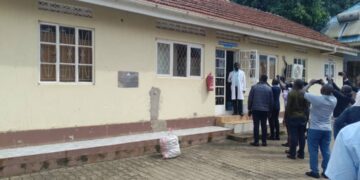
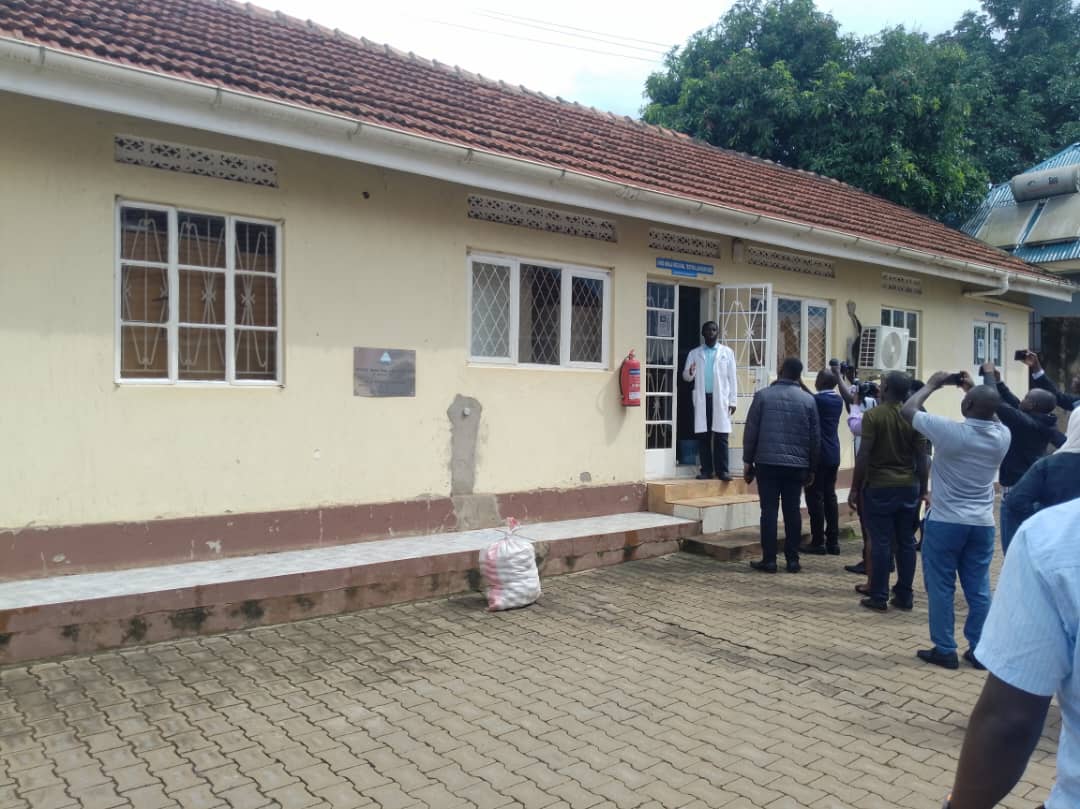
The Mbale laboratory currently has only four analysts; two in the chemistry section and two in microbiology, handling all tests submitted by clients.
“On average, we conduct between 30 and 70 tests per month. Some tests take as little as 24 hours, but microbiology tests require more time and patience,” Onyala said.
Additionally, John Kisitu, head of inspection at the Mbale branch, said UNBS normally carries out public awareness campaigns before enforcement operations.
“After sensitisation, we conduct unannounced inspections to confiscate products that do not meet standards,” Kisitu said.
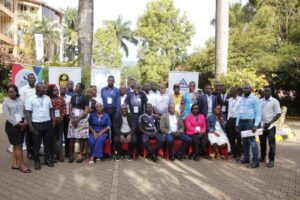
The Mbale workshop is part of a nationwide training programme organised by UNBS in partnership with TradeMark Africa to improve journalists’ reporting on standards and quality assurance.
The initiative comes amid challenges such as high levels of smuggling, widespread counterfeit goods, low certification uptake among local producers and staffing shortages at UNBS.
The bureau currently employs about 650 staff, nearly half of the 1,200 personnel required for full operations.
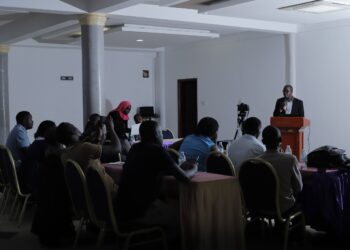
The training workshops are being held in Kampala, Mukono, Jinja, Mbale, Mbarara and Gulu. About 30 journalists from print, broadcast and digital media were trained in Mbale between March 2 and 5, at Mbale Resort Hotel.
“The main reason for this workshop is to strengthen our partnership with the media so that we can promote compliance with standards,” Namutebi said.
TradeMark Africa representative in Uganda Praxeda Ndagire said the organisation supports government agencies through capacity building and trade facilitation programmes.
“TradeMark Africa currently operates in 21 countries, and our 2025–2030 strategy focuses on reducing trade barriers, enhancing digital trade and improving the efficiency of trade corridors,” Ndagire said.
TradeMark Africa is a not-for-profit organisation established in 2010 to boost intra-African trade and increase Africa’s share in global markets.