













By Olivia Atuhaire,
OPINION
Youth unemployment in Uganda remains a pressing national concern. Despite the government’s efforts to address the challenge through initiatives such as emyooga, Youth Livelihood Program (YLP), Uganda Venture Capital Fund (UVCF), among others, many young people continue to struggle to find meaningful employment opportunities to improve young entrepreneurs’ access to capital and fight youth unemployment. While these programs aim to improve young entrepreneurs’ access to capital and reduce unemployment, the scale of the problem requires broader, more sustainable solutions. One critical but underutilized opportunity lies in Uganda’s agricultural sector.
Recently, Daily Monitor reported that, according to the National Planning Authority (NPA). Uganda needs a million jobs annually to curb youth unemployment. Specifically, the country must generate more than 884,962 jobs every year over the next five years to effectively address the growing youth unemployment rate, which currently stands at 16.7%. The National Development Plan IV (NDP IV) has set a clear target of reducing youth unemployment to 12.9% by the end of the 2029/30 financial year, highlighting the urgent need for deliberate strategies to achieve this goal.
Notably, Uganda has registered remarkable economic growth and holds great promise for the future. However, amidst this progress, one vital area remains insufficiently tapped: the immense potential of agriculture to generate employment for the country’s youth. Agriculture remains the backbone of Uganda’s economy and is anchored in key national and continental frameworks, including Uganda’s Vision 2040, the National Development Plan IV (NDP IV) and the Comprehensive Africa Agriculture Development Programme (CAADP). Uganda Vision 2040 identified agro-industrialization as a strategic driver for transforming the economy, particularly through employment creation.
Currently, agriculture employs about 70% of the working population, contributes approximately 26% to Uganda’s GDP, and accounts for 38.5% of our country’s total exports according to Bank of Uganda Statistics, 2024. These figures highlight the sector’s significant economic role and its potential as a solution to youth unemployment.
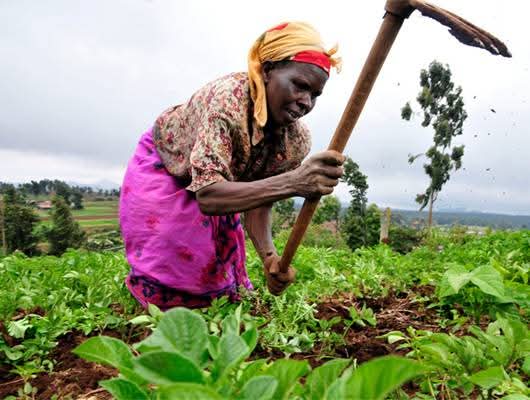
Despite agriculture’s central role in Uganda’s economy, many young people remain reluctant to pursue careers in the sector. Farming is often perceived as a traditional, subsistence-based occupation rather than a modern, profitable, and innovative enterprise. This negative perception limits youth participation in a sector that holds enormous potential for job creation
In addition, young people face structural barriers, including limited access to land, finance, modern technology, quality inputs, and extension services. Although government initiatives exist, they often do not sufficiently target youth-specific challenges within the agricultural value chain.
Without deliberate intervention to transform agriculture into an attractive and viable career path for young people, Uganda risks missing a crucial opportunity to address unemployment and drive inclusive economic transformation.
Therefore, to tackle youth unemployment by unlocking agriculture’s full potential. Uganda must create an enabling environment that encourages young people to embrace agriculture as a viable and rewarding career choice.
First, there is a need to change the perception of agriculture from subsistence farming pto agribusiness and agro-industrial entrepreneurship. Initiatives such as agricultural fairs, youth-led farming competitions, innovative hubs, and showcasing success stories of young agriprenuers can inspire and motivate young generations to consider agriculture as a modern and profitable career
Secondly, investment in agriculture education and skills development is essential. Strengthening vocational training centres, promoting agricultural courses in universities and colleges, and establishing mentorship programmes can equip youth with practical knowledge and entrepreneurial skills needed to thrive in the sector.
Moreso, access to finance remains a significant obstacle for many aspiring young farmers. Developing youth-tailored financial products such as agricultural loans, grants, and credit guarantee schemes can reduce entry barriers. Further, ensuring access to modern farming technologies, quality seeds, fertilizers, irrigation systems, and extension services will enhance productivity and efficiency, attracting more young people to the sector.
The youth must be actively engaged in government agricultural initiatives. Establishing youth-centered agricultural extension services, supporting youth farming cooperatives, and facilitating access to land and infrastructure can empower young farmers and improve their chances of success.
Finally, Uganda’s Youth are incredible assets, full of energy, creativity, and innovation. By deliberately channeling these qualities into agriculture, the country can unlock vast employment opportunities, strengthen food security, and accelerate economic transformation. With strategic investment and targeted policies, agriculture can become the engine that drives Uganda’s fight against youth unemployment and helps achieve NDP IV’s target of reducing youth unemployment to 12.9%.
The author is a Research Associate
oliveatuhaire63@gmail.com