













KAMPALA
Uganda continues to strengthen its position as one of the world’s leading producers of vanilla, with the crop increasingly recognised as one of the country’s most profitable agricultural ventures. Currently, vanilla is grown in 38 districts, producing more than 1,000 tonnes annually for the international market, making Uganda the second-largest producer globally.
According to export records, Uganda shipped 604 metric tonnes of vanilla last year, more than double the 266 metric tonnes exported the previous year, earning the country USD 16.6 million in 2024. Officials attribute the growth to improved farmer practices, stronger regulation, and renewed international confidence in Uganda’s vanilla supply. Uganda also enjoys a unique advantage of having two harvest seasons per year.
Despite these gains, the Ministry of Agriculture says the subsector still faces several challenges, including price instability, poor-quality beans and widespread premature harvesting.
In response, the ministry has instituted strict regulations governing pollination and harvest periods. Vanilla is officially harvested twice a year.
While announcing the second harvest window for the year, State Minister for Agriculture Fred Bwino Kyakulaga cautioned farmers against picking immature beans in the rush for quick profits, warning that the government will this time take tougher action against offenders.
He said harvesting will run from November 29 to March 29 next year, noting that the regulated period is intended to protect both quality and market competitiveness.
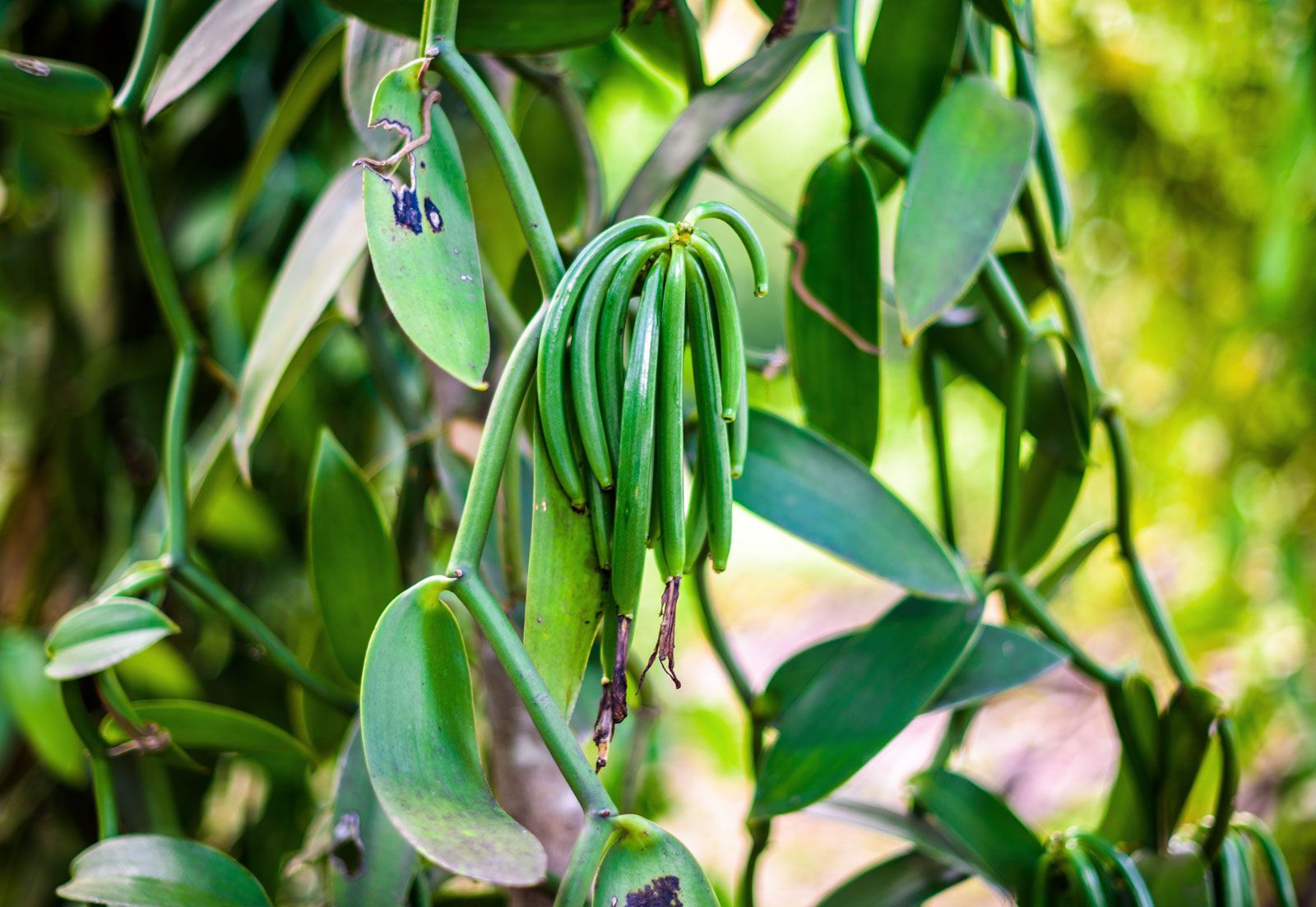
Prossy Tumushabe, a farmer and exporter, explained how mature vanilla can be identified and reported an improvement in prices.
“Last year, a kilogram of green vanilla ranged between sh5,000 and sh12,000 depending on whether it was conventional or certified,” she said. “With global demand slowly recovering, prices have risen to between sh10,000 and sh20,000 for both categories.”
Uganda’s market share has expanded significantly over the past five years—from 3% to 12% in the United States and from 1% to 10% in the European Union.
Kyakulaga attributed the growth to the superior quality of Uganda’s vanilla. He noted that the Government has implemented targeted interventions, including coordinating district ordinances to control quality in 15 districts, establishing vanilla task forces at national and local levels, and training farmers to improve production and post-harvest handling.