








By Leonard Kamugisha Akida,
KAMPALA
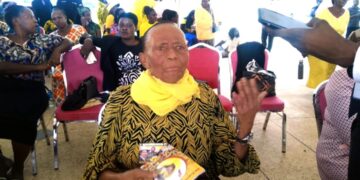
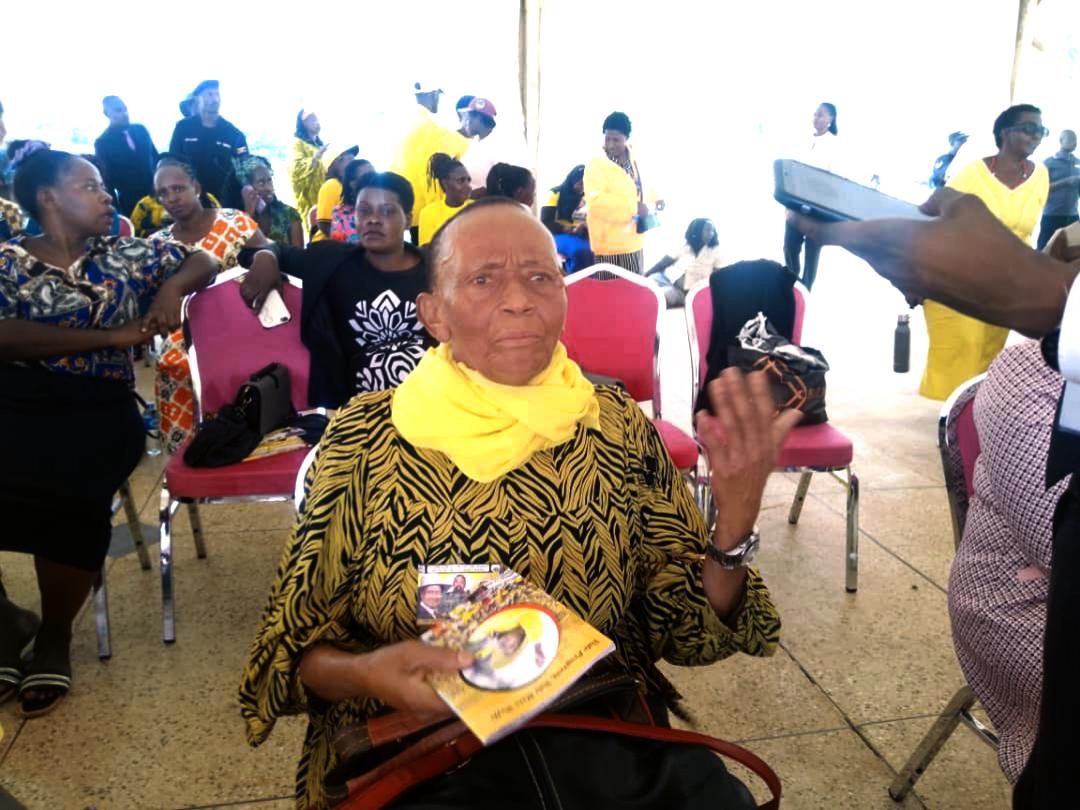
One hundred and seventy-nine days after President Yoweri Museveni publicly directed that she be assisted, Margaret Kamaziima, an elderly widow and caregiver of more than 40 orphans and vulnerable children in Salaama, Makindye Division, is still waiting for help.
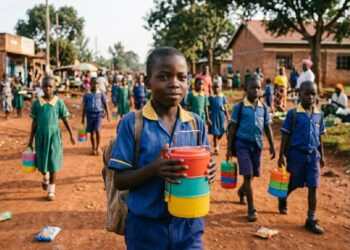
Kamaziima’s modest home has, over the years, turned into a refuge for abandoned children, some left at her gate by parents she has never met. Despite her advancing age and limited means, she has continued to take them in, driven by compassion and faith.
However, the burden is becoming unbearable.
“I am struggling,” Kamaziima says quietly. “These children cry out for food, school fees and medical care. I don’t have the money, yet I cannot turn them away.”
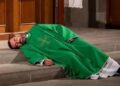
Her plight came to national attention on July 15 last year when President Museveni, while touring Kampala under the Parish Development Model (PDM) implementation and monitoring programme, visited Makindye Division at St. Ponsiano Catholic Church. Moved by Kamaziima’s emotional appeal, the President instructed the Principal Assistant Secretary to the First Lady, Irene Kauma, to record her details and link her to State House, particularly to the First Lady and Minister of Education and Sports, Janet Kataha Museveni, for financial assistance.
Kamaziima hoped the directive would bring relief, especially support to construct proper shelter for the children and meet basic needs such as food, school fees and healthcare.
Nearly half a year later, that hope has faded.
“The President directed Ms Irene Kauma to take my particulars. She wrote down my contacts,” Kamaziima recounts. “But when I later visited her office, I was not helped. She no longer even picks my calls.”
Kamaziima survives by preparing and selling local herbal remedies for therapeutic purposes, a trade that barely sustains her, let alone dozens of children.
In an exclusive interview with Parrots Media on Thursday at Kololo Independence Grounds during the launch of the All Women for Museveni campaign, Kamaziima said her attempts to meet either the President or the First Lady since July have been unsuccessful.
“The number of children has increased,” she explains. “People now know that I take care of vulnerable children, so they just abandon them at my gate. Some came as young as one month old.”
Her biggest dream is modest: a decent house for the children.
“I want to construct a house for them. I don’t have money,” she says. “They need to feed well, go to school, and some need medical care. But I am a poor woman.”
As the country reflects on social protection and the welfare of vulnerable groups, Kamaziima’s story raises uncomfortable questions about follow-through on high-level pledges and the realities faced by grassroots caregivers.
Her appeal remains simple and direct: a chance to meet the President or the First Lady privately, and finally receive the help that was promised.