











By Leonard Kamugisha Akida
KAMPALA
The opposition Uganda People’s Congress (UPC) has called for the immediate release of all persons arrested and detained on cyber-related offences following a landmark ruling by the Constitutional Court of Uganda that struck down key provisions of the Computer Misuse law.
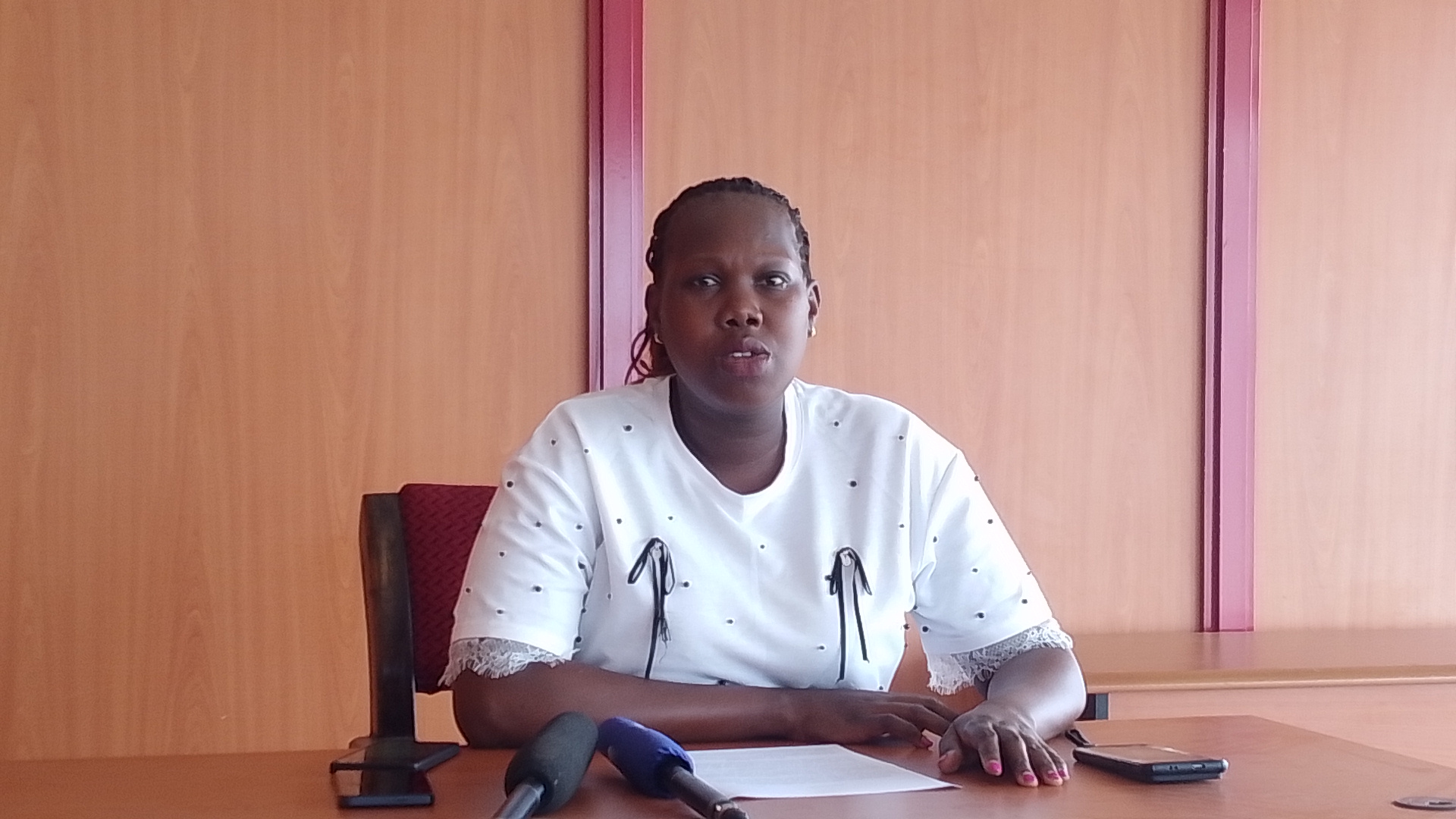
Speaking to journalists at the party headquarters in Kampala on Wednesday, UPC spokesperson Sharon Oyat Arach said the continued detention of suspects under the nullified law was unlawful and unjustified.
“We call for the unconditional release of all people arrested and or convicted under the nullified Act, closure of their files and compensation,” Oyat said.
Her remarks follow a ruling delivered on Friday in which the Constitutional Court declared several provisions of the Computer Misuse Act (as amended) null and void, citing inconsistency with Article 29 of the Constitution that guarantees freedom of expression.
According to the judges, the impugned provisions curtailed free speech and were incompatible with constitutional protections. Oyat argued that the law had been selectively applied, mainly targeting opposition politicians and critics of the ruling government.
“In a political landscape of multiparty politics, this law was bound to be abused greatly,” she said.
UPC further demanded the release of opposition members and other Ugandans allegedly held incommunicado over offences linked to the law, maintaining that their charges can no longer stand.
“Many young people were arrested and convicted due to this Act that runs against the spirit of our Constitution on freedoms and liberties of an individual,” Oyat added.
The party welcomed the court decision, saying it strengthens constitutionalism, the rule of law and expands democratic space in Uganda.
Passed in 2022, the Computer Misuse (Amendment) Act sought to regulate online communication, including curbing what government termed as offensive and misleading information. However, it was challenged in court by the Uganda Law Society and other petitioners under consolidated Constitutional Petitions No. 34, 37 and 42 of 2022, who argued that it infringed on freedoms guaranteed under Article 29.
Delivering the lead judgment, Justice Ketra Kitariisibwa Katunguka concurred with Justice Irene Mulyagonja, finding that Parliament did not follow its own Rules of Procedure when passing the amendments.
Court held that the enactment violated Rule 24(3) of Parliament’s Rules of Procedure under Article 94 of the Constitution, and also contravened Articles 88 and 89, rendering the law unconstitutional.
As a result, the Computer Misuse (Amendment) Act, 2022, and the challenged provisions in the 2023 edition were struck down.
The court further found that the definition of “libel” under Section 162 of the Penal Code Act was vague and inconsistent with Article 19(3)(a) of the International Covenant on Civil and Political Rights.
Sections 162 and 163 of the Penal Code Act were also ruled incompatible with Uganda’s obligations under the African Charter on Human and Peoples’ Rights.
In addition, the court issued a permanent injunction restraining the State from enforcing the annulled provisions.
The ruling has been widely welcomed by opposition politicians, civil society organisations and human rights defenders, who have long criticised the Computer Misuse law for being used to stifle dissent and criminalise online expression.